

Everyone loves a comeback story.
We celebrate them when they are finished. We share them when they are successful. We admire them when everything has already been rebuilt.
But almost no one talks about what a comeback actually feels like while you are in the middle of it.
The silence.
The rejection.
The discipline when no one is watching.
The decision to keep going when everything in you wants to quit.
That is where real transformation happens.
As someone who has had to rebuild my own life from a place of failure, I know this truth firsthand. There is nothing glamorous about starting over. There is only the next decision, and the willingness to keep making it.
Recently, I had the opportunity to interview Damon West, former Division I quarterback, author, and one of the most impactful voices in recovery today. What stood out was not just his story, but the clarity of his message.
Recovery is not accidental.
Neither is transformation.
Both are built through discipline, responsibility, and a complete shift in identity.
West explained that both sports and recovery demand the same thing. Total commitment.
At one point, football was his identity. As a Division I quarterback at a young age, everything in his life revolved around preparation, performance, and pressure. But in a single moment, that identity was taken from him when an injury against Texas A&M ended his career.
When identity is lost, people either rebuild or they drift.
For many, that is where the downward spiral begins. West followed that path, descending into deep addiction and ultimately finding himself in prison.
For West, it eventually became the starting point of something greater.
In recovery, he found a new identity. Not as an athlete, but as someone committed to growth, discipline, and purpose. That shift is everything. Because success in both athletics and recovery is never part-time.
It is who you become.
One of the most powerful lessons West shared is what he calls the Coffee Bean mindset.
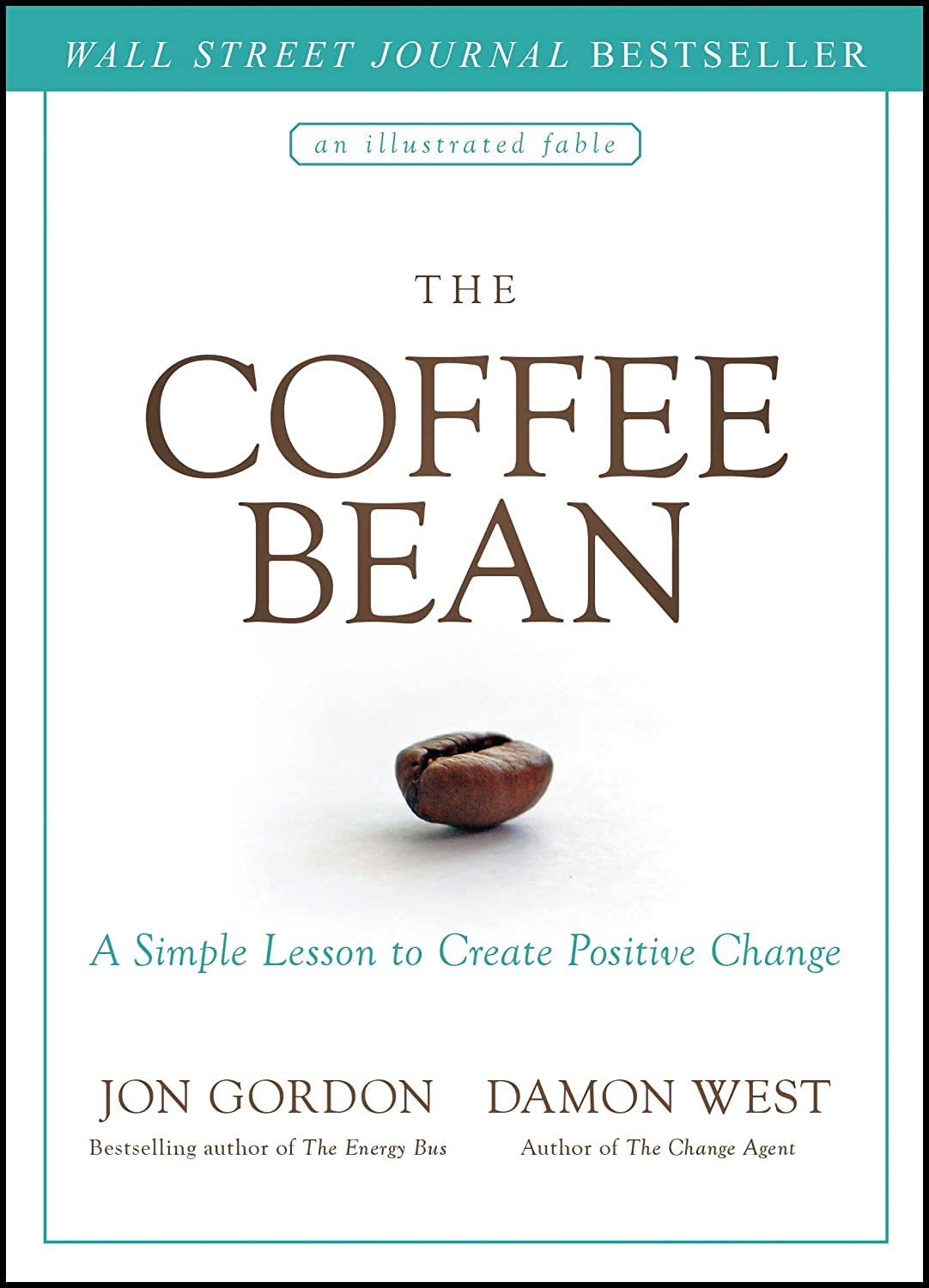
Addiction is built on control. The need to control outcomes, environments, and circumstances. But the truth is, control is far more limited than most people are willing to admit.
“The list of things you actually control is very small,” he said.
That realization can either break someone or free them.
Instead of trying to control everything around you, West teaches a different approach.
“You control what you think, what you say, what you feel, and what you do.”
That is it.
The Coffee Bean mindset is about changing what happens inside you so that you can change the environment around you. It is about stepping into an environment that could consume you and instead transforming how you respond to it.
That is where real control exists.
That message becomes even more important when you look at the culture surrounding athletes.
Alcohol is normalized.
Expected.
Celebrated.
West did not hesitate when addressing this.
“You do not have to have a chemical in your body to have a good time.”
It is a simple statement, but it challenges an entire culture.
“Create more spaces where alcohol is not involved in celebrations.”
Then he said something that stops people in their tracks.
“Alcohol is the biggest drug in the world. Not meth. Not cocaine. Not heroin. It is alcohol. And it causes more damage because it is widely accepted.”
What is normal is not always healthy.
Leadership requires something different.
It requires courage.
The courage to create environments that do not follow the crowd.
The courage to lead differently.
Another truth West made clear is that failure is not something to avoid.
It is something to use.
“Failure is a teacher. One of the best teachers.”
The greatest athletes in the world have failed more times than most people realize. The difference is not that they avoid failure. The difference is that they refuse to let failure define them.
West shared a story that captures this perfectly.
After rebuilding his life, he began reaching out to college football programs, asking for the opportunity to speak to their teams. In one hour, he received eight rejections.
Eight.
That is where most people stop.
That is where doubt takes over.
That is where the voice in your head tells you to quit.
He did not.
He kept going.
Eventually, Clemson head coach Dabo Swinney invited him to speak, right after Clemson had won a national championship. The response from the team was overwhelming. Swinney later said he had never seen his athletes respond to a message like that.
That one opportunity opened the door to Alabama and countless others.
One yes changed everything.
But it only came after multiple no’s.
“You miss 100 percent of the shots you do not take.”
Failure is not the end.
It is often the process.
West also emphasized something that applies to every person in recovery.
Daily discipline is nonnegotiable.
“Every day you have to work on yourself. Spiritually, physically, and mentally.”
There is no shortcut.
There is no break.
There is no one coming to do it for you.
“You are responsible for your body, your mind, your soul.”
That truth is uncomfortable.
But it is also freeing.
Because it puts the power back in your hands.
“You cannot give what you do not have.”
If you want to lead, you must first build yourself.
If you want to help others, you must first take care of yourself.
For West, that begins the same way every day.
Prayer and meditation.
“Prayer is when you talk to God. Meditation is when you listen to God.”
And then he said something that most people miss.
“Eighty percent is listening. Twenty percent is talking.”
His daily prayer is simple.
“God, put in front of me what you need me to do today for you.”
That kind of alignment changes how a person lives.
It removes confusion.
It replaces it with purpose.
And in recovery, purpose matters.
Because without purpose, people drift.
Finally, West addressed something every person faces.
The voice in your head.
“Fear is a liar.”
That voice tells you to quit.
It tells you that you are not enough.
It tells you that change is not possible.
West challenges that voice directly.
“Do not listen to yourself. Talk to yourself.”
Because the voice you hear most in your life is your own.
“Be careful what you tell yourself, because you will believe it.”
We all know that voice.
The imposter voice.
The one that tries to convince you that you are not capable.
Not worthy.
Not strong enough.
West’s message is clear.
Do not let that voice lead.
Replace it.
Direct it.
Tell yourself the truth.
And then act on it.
Because the next step matters.
“Do not quit.”
“So many times you are closer than you think you are.”
He has lived it.
“I have been where you have been.”
“Keep knocking on doors. Keep getting up every day and putting in the work. You never know what your miracle is going to be.”
He ended with a message that captures everything.
“Everyone loves a good comeback story.”
There is a reason stories like Rudy, Rocky, and Remember the Titans resonate with so many people.
Redemption stories matter.
They remind us what is possible.
But the truth is this.
You are not just watching a comeback story.
You are living one.
“You are sitting on some of the best ingredients for one of the best comeback stories ever.”
The question is not if a comeback is possible.
The question is what you will do next.
“Go write your story. Get up every day and put in the work. You have the pen in your hand.”
“You are the author of what happens in the next chapter.”
“Is it going to be a good chapter or a bad chapter?”
“That is entirely up to you.”
Because the power is already inside you.
Just like the coffee bean.
To change what is around you.
Through courage.
Through discipline.
Through dedication.
Everyone loves a comeback story.
But very few are willing to live one.
FELONY & FAITH | Damon West’s Road to RECOVERY

SOBER SPORTS: Toughness, Tradition, and the Question of Alcohol in Hockey Culture

Follow The Sober Curator on LinkedIn
What is the Coffee Bean mindset in recovery?
The Coffee Bean mindset is a philosophy taught by Damon West that focuses on changing your internal response rather than trying to control external circumstances. In recovery, it means transforming how you think, act, and respond so you can positively influence your environment instead of being controlled by it.
Who is Damon West and why is his story important in recovery?
Damon West is a former Division I quarterback who became addicted to drugs and later served time in prison. He rebuilt his life through recovery and now shares his message of discipline, accountability, and transformation, making him a powerful voice in the recovery community.
How do you rebuild your life after addiction?
Rebuilding your life after addiction requires consistent daily effort, personal responsibility, and a shift in identity. Recovery is not a one-time decision—it involves ongoing work across mental, physical, and spiritual areas, along with developing discipline and healthy routines.
Why is discipline important in recovery?
Discipline is essential in recovery because lasting change comes from consistent daily actions. It helps individuals maintain sobriety, rebuild trust, and create structure in their lives, even when motivation is low.
Can failure help in addiction recovery?
Yes. Failure is often a critical part of recovery. It provides valuable lessons, builds resilience, and helps individuals grow. Many people in recovery succeed because they learn from setbacks rather than giving up.
How do you stay motivated during recovery?
Staying motivated in recovery comes from focusing on daily progress rather than perfection. Practices like positive self-talk, goal setting, and maintaining routines help individuals keep moving forward, even during difficult moments.
What does it mean to “write your own comeback story”?
Writing your own comeback story means taking ownership of your future and making intentional choices every day. It’s about recognizing that change is possible and committing to the actions needed to rebuild your life.
What role does mindset play in addiction recovery?
Mindset plays a central role in recovery. A growth-oriented mindset helps individuals overcome fear, replace negative thinking, and stay committed to long-term change, even when facing challenges.
Why is alcohol considered a major issue in recovery conversations?
Damon West emphasizes that alcohol is one of the most widely accepted and harmful substances because of its normalization in society. Its accessibility and cultural acceptance can make it especially dangerous and often overlooked in discussions about addiction.