






Recovery Elevator
It’s not a NO to alcohol — it’s a YES to a better life!
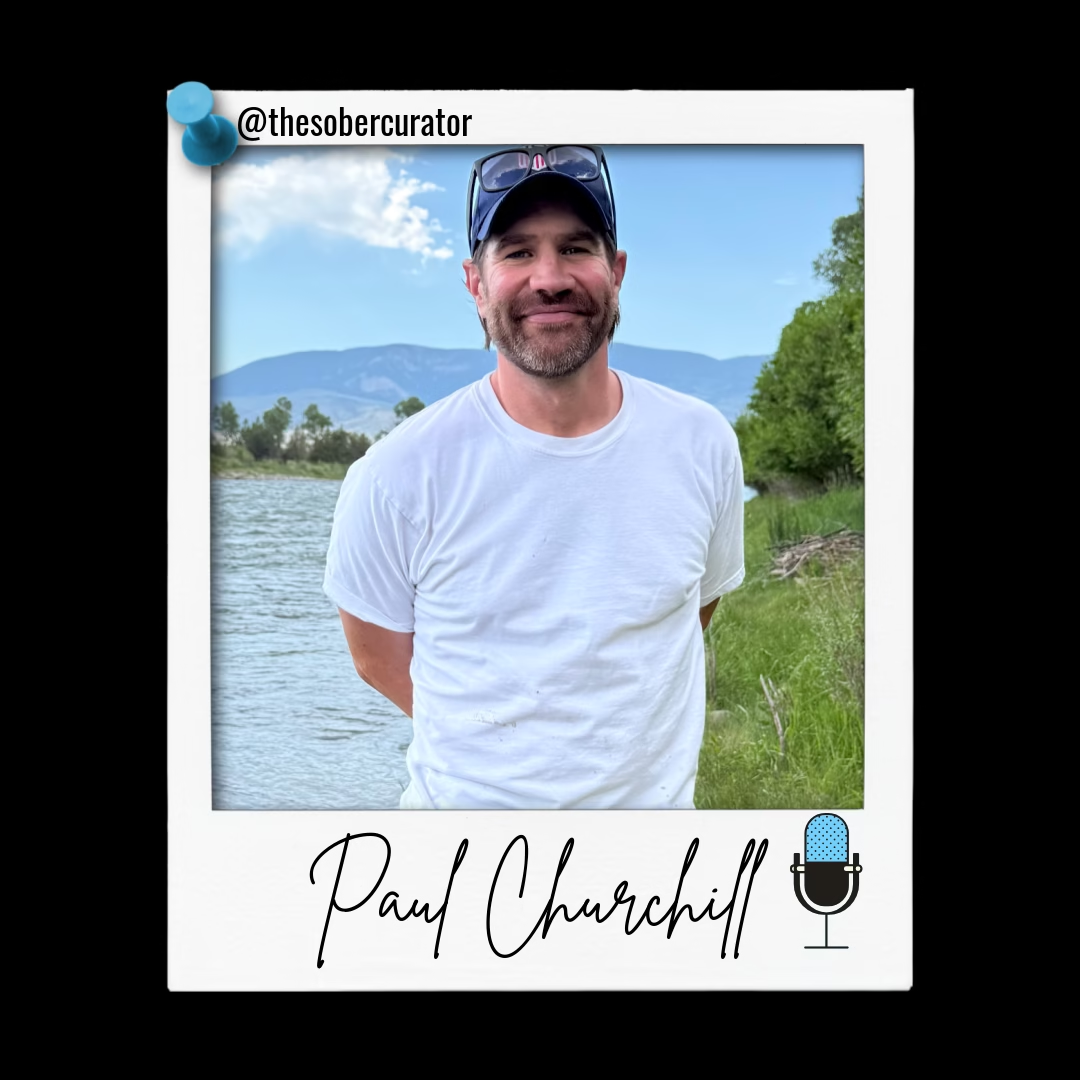
Bestselling author Paul Churchill interviews people who have successfully quit drinking, offering an honest, uplifting look at what an alcohol-free life can really look like. Each week, Recovery Elevator explores sobriety from fresh perspectives — no judgment, no lectures, just real stories from real people.
Whether you’re sober curious, newly sober, supporting a loved one, or already thriving in recovery, you’ve found your community.
Topics include: how to stop drinking alcohol, alcohol addiction and dependency, whether moderate drinking actually works, what happens to your brain when you quit drinking, the role of spirituality in recovery, whether AA is right for you, tracking sobriety milestones, and whether addiction might be trying to tell you something.
If alcohol is making you sick and tired, Recovery Elevator is your invitation to explore what life on the other side looks like — through candid conversations and inspiring guest stories.
RE 612: If You Want This, You Can’t Have That
Today we have Pete. He is 40 years old, from Aspen, CO, and took his last drink on May 3rd, 2026.
This episode is brought to you by:
Café RE – use code CONNECT for your first month free
Sign up and get 10% off your first month: Better Help
[02:53] Thoughts from Paul:
Paul reflects on a message he wrote to himself in 2014 when he realized he could no longer have both alcohol and the happy, fulfilling life he wanted. He taped a reminder to his wall: “If you want this, then you can’t have that”. Meaning if he wanted meaningful relationships, time in nature, a healthy body and mind, family, hobbies, and goals, alcohol couldn’t be part of the picture.
After years of trying to moderate, Paul accepted that drinking the way he wanted to drink was incompatible with the life he hoped to build. He encourages listeners to ask themselves, without judgment, whether alcohol allows them to live the life they deserve. He acknowledges that choosing sobriety can mean making that decision repeatedly, especially in the beginning.
Paul also challenges the message Big Alcohol has promoted for decades: that people can have both alcohol and a happy, successful life.
[07:49] Paul introduces Pete:
Pete manages an Aspen music venue and has spent his career in the live music industry. He and his wife have been together since middle school and have three children. He enjoys making music and exploring Colorado’s outdoors with his family.
Pete had his first drink around age 11 or 12, growing up around musicians and alcohol. By high school, he was drinking every weekend, and he quickly realized one or two drinks were never enough. Alcohol quieted his mind, and soon the goal was to blackout. The pattern continued through college, where he played in bands and drank heavily.
After college, Pete started his career managing music venues. Drinking was part of the job: he could have several beers while working, then stay after closing until early morning. He was also introduced to cocaine as a way to keep drinking. Despite his consumption, he considered it fun and didn’t see a problem.
Around 2011, his father was diagnosed with brain cancer, Pete got married, and he took on opening a much larger venue. When his father died in 2012, Pete drank through his grief rather than addressing it.
In 2019, Pete attended his first AA meeting. One piece of advice stayed with him: what other people think of him is none of his business. But he was scared off by advice that sobriety required leaving his wife, children, and job. He tried quitting through willpower, with periods of sobriety followed by drinking.
During the pandemic, the music industry shut down, Pete became unemployed, and his drinking grew darker. He drank alone while his wife worked as a nurse and cared for their young children. Realizing he was missing precious time with his family, he tried quitting again. In 2021, he found RE and Ben’s Friends, a support community for people in hospitality and related industries.
After moving in 2024, Pete stayed sober for several months before returning to daily drinking. In May this year, concerned about his health and his family’s future, he decided to intervene on himself rather than wait for a devastating rock bottom.
Pete found a drug counselor, a new therapist, and psychiatric support. He told his wife he was in active addiction and needed her support while taking responsibility for his recovery. The next day, May 4th, he attended an AA meeting.
This time, Pete leaned into his support system. He was open with his staff about not drinking and added more non-alcoholic options to the venue’s menu. He no longer sees alcohol as a reward or something he has earned and reminds himself that he has never woken up sober wishing he had drunk the night before.
Pete’s parting piece of guidance: focus on the life that you can have without drinking.
Recovery Elevator
You took the elevator down.
You got to take the stairs back up.
We can do this.
November 9, 2026
November 2, 2026
October 26, 2026
October 19, 2026
October 12, 2026
October 5, 2026
September 28, 2026
September 21, 2026
September 14, 2026
September 7, 2026
Search Results placeholder


