
The easiest way to make non-alcoholic drinks feel awkward at a party is to treat them like a special medical accommodation.
You have probably seen it happen. Someone asks what they can drink, and the host suddenly starts apologizing. There is a frantic search through the back of the fridge. A warm seltzer appears. Maybe a dusty bottle of tonic. Everyone becomes very aware that one person is not drinking.
It does not have to be that way.
A good party setup does not need a separate sober station. It needs a few good drinks that happen not to contain alcohol. That difference changes the whole tone. Guests do not want a lecture, and most hosts do not want to become bartenders for two hours. They want something easy to put in a cooler, pour over ice, or open at the table.

The first rule is to think in formats, not recipes.
Canned spritzes, bottled sparkling drinks, non-alcoholic beers, and simple mixers beat elaborate mocktails for most real parties. A beautiful zero-proof cocktail is great if you are making four of them. It is less great when twelve people arrive at once, someone is asking where to put coats, and the oven timer is going off.

The second rule is to make the non-alcoholic option visible.
Do not hide it behind the soda. Put a few cans or bottles in the same ice bucket as everything else. Set out real glasses. Add citrus if you are doing citrus anyway. The message should be quiet but clear: this is part of the party, not a consolation prize.

The third rule is to offer more than sweetness.
A lot of adults who are not drinking do not want a sugary drink after 8 p.m. They want bitterness, acidity, bubbles, spice, or something crisp enough to work with food. That is why non-alcoholic beer, dry sparkling bottles, bitter aperitif-style drinks, and ginger-forward options often land better than fruit punch.
For a casual backyard or game-day gathering, non-alcoholic beer is usually the easiest win. It requires no explanation, works from the can, and fits chips, grilled food, pizza, and salty snacks. Keep a few styles if you can: a lighter lager or golden beer for easy drinking, an IPA for people who want more flavor, and maybe a darker option if the crowd cares about beer.
For dinner parties, sparkling drinks are more useful. They look right in a wine glass, cut through food, and make a toast feel like a toast. The best ones are not simply sweet grape juice in formal clothing. They have acidity and a dry enough finish to survive the meal.
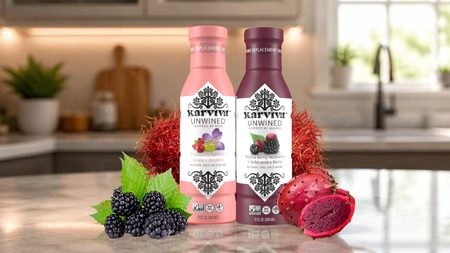
For a mixed crowd, ready-to-drink spritzes can help. They feel festive, they are easy to serve, and they do not require the host to explain a complicated bottle. Put them over ice with an orange slice and move on.
The only real mistake is making one person’s choice not to drink the center of attention. Most people do not want a speech. They want a drink in their hand and the conversation to continue.
If you are hosting, a simple rule works: have one beer-like option, one sparkling or spritz-style option, and one basic fallback like seltzer, tonic, or ginger beer. That is enough for most gatherings. If you want to go further, use a guide to easy party drinks without alcohol and pick drinks that scale.
The point is not to build a bar program. It is to remove friction.
When the non-alcoholic drinks are cold, visible, and adult enough to stand alongside everything else, no one has to make it weird. The guest who is not drinking feels considered. The host looks prepared. And the party gets to stay what it was supposed to be: people talking, eating, laughing, and holding something they actually want to drink.
Contributor John Lisbonn:
John Lisbonn is an editor at AFSips, where he writes about non-alcoholic drinks, sober-curious rituals, and practical ways adults can drink less without losing the parts of drinking culture they still enjoy. His work focuses on real-life occasions: dinner, hosting, nights out, quiet nights at home, and finding alcohol-free drinks that feel adult without feeling precious.

Welcome to HAPPY EVERY HOUR, your go-to hub for all things NA (non-alcoholic). We review alcohol-free beers, ciders, wines, spirits, RTDs (ready-to-drink), and share NA cocktail recipes that taste just as good—if not better—than the boozy originals. Whether you’re sober, sober-curious, or just taking a break, this is where great taste meets zero proof.
TRIGGER WARNING: People in early sobriety may want to proceed with caution. Always read labels. Please hydrate responsibly … #becausedrunkneverlooksgood.
🛍️ Submit a Product for Review NA beverages, sober-friendly tools, alcohol-free brands, and products built for the way our audience actually lives. Submit your product →

Follow The Sober Curator on Facebook
How do you bring non-alcoholic drinks to a party without making it weird?
Bring non-alcoholic drinks that feel like they belong with the rest of the party drinks. Choose easy formats such as NA beer, canned spritzes, bottled sparkling drinks, ginger beer, tonic, or seltzer, and place them where everyone can see them instead of treating them like a special accommodation.
What are the best non-alcoholic drinks to bring to a party?
The best non-alcoholic drinks for a party are easy to serve and not overly sweet. Good options include non-alcoholic beer, dry sparkling beverages, ready-to-drink NA spritzes, bitter aperitif-style drinks, ginger-forward drinks, tonic, and flavored sparkling water.
Should non-alcoholic drinks have their own sober station?
Not necessarily. A separate sober station can sometimes make non-drinkers feel singled out. In most cases, it is better to include non-alcoholic drinks in the same cooler, ice bucket, or drink area as the alcoholic options so they feel like part of the party.
How many non-alcoholic drink options should a host offer?
A simple hosting rule is to offer one beer-like option, one sparkling or spritz-style option, and one basic fallback such as seltzer, tonic, or ginger beer. That is usually enough for most casual gatherings.
What non-alcoholic drinks work best for a backyard party?
For a backyard party, game day, barbecue, or casual gathering, non-alcoholic beer is often the easiest option. It works well with grilled food, chips, pizza, salty snacks, and casual party food.
What non-alcoholic drinks work best for dinner parties?
For dinner parties, dry sparkling drinks, non-alcoholic wines, and spritz-style drinks often work well because they look good in a wine glass, pair with food, and still feel festive during a toast.
Why should non-alcoholic drinks be visible at a party?
Making non-alcoholic drinks visible sends a quiet message that they are part of the party, not an afterthought. It also makes it easier for sober, sober-curious, pregnant, health-conscious, or non-drinking guests to help themselves without needing to ask.
What should I avoid when serving non-alcoholic drinks?
Avoid only offering sugary drinks, hiding NA options behind the soda, serving them warm, or making one person’s choice not to drink the center of attention. Guests usually want a good drink and a normal conversation, not a spotlight.
Are mocktails good for parties?
Mocktails can be great, but elaborate recipes are not always practical for parties. For most gatherings, canned spritzes, NA beers, sparkling bottles, and simple mixers are easier for hosts and guests.
How can hosts make sober guests feel included?
Hosts can make sober guests feel included by offering quality non-alcoholic drinks, keeping them cold and easy to find, serving them in real glasses when appropriate, and not making a big deal out of anyone’s choice not to drink.