



A little spooky, a little sarcastic and completely alcohol-free. Meet The Wednesday, a Halloween mocktail inspired by Christina Ricci’s iconic Wednesday Addams, with a modern twist on a Tonix Mocktails original.
A little spooky, a little sarcastic and completely alcohol-free. Meet The Wednesday, a Halloween mocktail inspired by Christina Ricci’s iconic Wednesday Addams, with a modern twist on a Tonix Mocktails original.
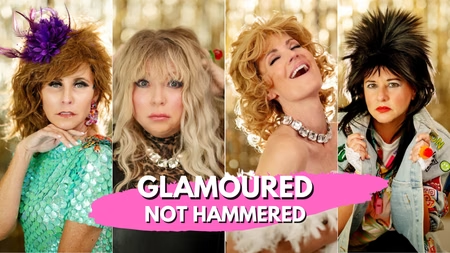
A wig wall, feather boas before coffee and the glamour photos her mother refused to finance. Senior Contributor Amy Liz Harrison’s sober 50th birthday getaway delivered the childhood dream, plus a few lessons in planning a girls’ trip where everyone gets to relax.

Tara Oporto loves the gang at Paddy’s Pub. But when “The War on Alcohol” turns a request for nonalcoholic beer into a setup for drink spiking, the joke loses her. A reader’s perspective on satire, consent and respecting the choice not to drink.

Tana Mongeau is two years sober, and she says year two was harder than year one. On her Brand Safe podcast, she explains why quitting alcohol was only the start.

From Wham! fangirling to sober reinvention, Senior Contributor Amy Liz Harrison finds plenty to love in Janey Lee Grace’s memoir. This four-sobees review explores music, midlife and the many versions of ourselves we bring along for the ride.

Lucy Hale is four and a half years sober, and on Jay Shetty’s On Purpose she gets honest about blackouts, choosing rehab over the Grand Ole Opry and the three-sentence advice she’d give anyone thinking about getting sober.

Think flea market energy, but we’re swapping the stuff currently making life better, weirder, tastier, louder, or more interesting. One hour. One theme. Bring your current favorite. Make your case for why the rest of us need to know about it. Then shamelessly steal everyone else’s recommendations.
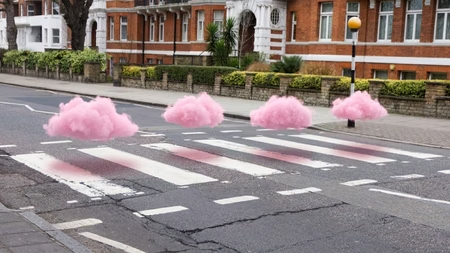
Why is it that society often labels a woman’s enthusiasm as ‘too much’? Contributor Julianne Griffin dives into this phenomenon with her latest piece, ‘Nobody Has Ever Been Allowed to Like Something This Much.’ From friendship bracelets to recovery, she shares how this judgmental gaze has shadowed her joys. Let’s celebrate our passions, no matter how big or small! What makes your heart sing—no matter what others think?
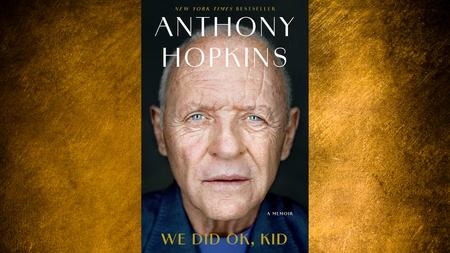
Nearly 30 years after hearing Anthony Hopkins speak at a Los Angeles recovery meeting, Senior Contributor Lane Kennedy revisits that experience through his memoir, We Did OK, Kid. As Hopkins celebrates 50 years sober, Lane reflects on why getting sober is only the beginning—and what it really means to stay.
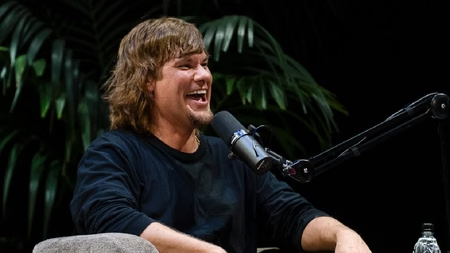
Theo Von never set out to become a recovery podcaster, but some of the most honest conversations about addiction and sobriety keep happening on This Past Weekend. These standout episodes from the past two years deliver vulnerability, unexpected wisdom and plenty of gang-gang energy.
SOBER SWAP BACKSTAGE! Bring one thing. Leave with everybody else’s good taste. Think flea market energy, but we’re swapping the…
Rich Roll has spent 1,000+ episodes proving recovery conversations don’t have to be preachy. We pulled the 18 best addiction and recovery episodes from the last two years, from Spider-Man’s sobriety to Episode 1,000. Bookmark accordingly.
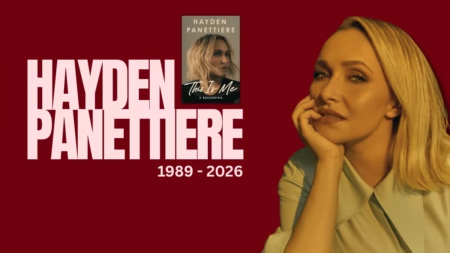
Hayden Panettiere spent much of her life in public, but some of her most meaningful moments came when she stopped performing and told the truth. Senior Sober Curator Contributor Anne Marie Cribbin reflects on Panettiere’s openness about postpartum depression, addiction and the personal cost of refusing to pretend everything was fine.

In the final installment of this Nashville series, Lane Kennedy looks at Seasons 5 and 6 through the lens of grief, recovery, nervous system collapse, and the long work of rebuilding a life. From Juliette Barnes’ treatment and spiritual searching to Will Lexington’s body dysmorphia, Deacon Claybourne’s physical consequences of alcoholism, and the emotional aftershock of Rayna Jaymes’ death, Lane explores how Nashville becomes less about fame and more about survival, identity, and staying emotionally alive after everything falls apart.
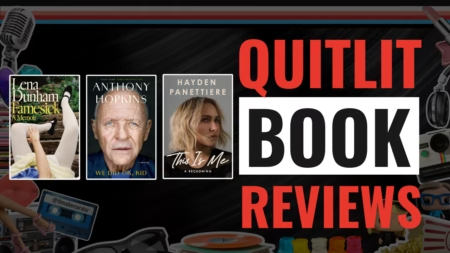
Three memoirs came out this year from three people who could not be more different, and every one of them was writing about the same thing. We pulled the Sober Curator readers into a room and made them score it.
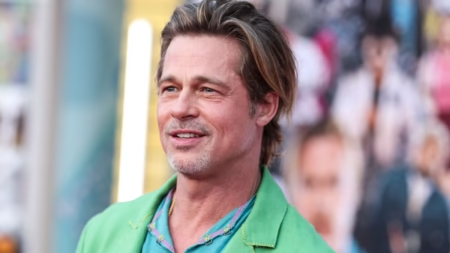
Brad Pitt’s revelation that he is no longer sober after seven years without alcohol quickly became a debate about relapse, moderation and who gets to define sobriety. Danielle Elliott Smith argues that we may be asking the wrong question entirely.

In recent years, the conversation surrounding sobriety, addiction, and mental health has become more open and essential than ever before.…
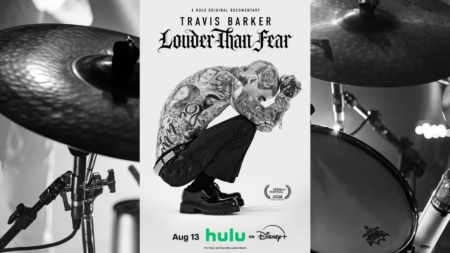
Travis Barker: Louder Than Fear just dropped on Hulu, and nobody is calling it what it is: a sobriety documentary wearing a drum kit. AB stayed up way too late watching it so you can too.
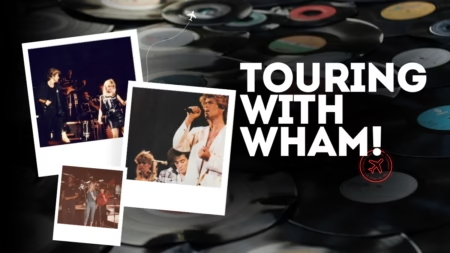
Janey Lee Grace watches her younger self come alive on the big screen in WHAM! 10 Days in China and reflects on big hair, pop stardom, touring with George Michael and Andrew Ridgeley, and the role alcohol was already beginning to play behind the scenes. Decades later, sobriety gives her a very different view of the young woman living inside that extraordinary moment.
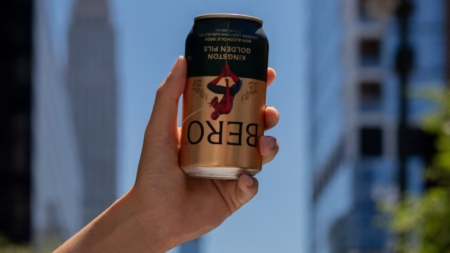
I went to see Spider-Man: Brand New Day in 3D with my son and cried in my glasses. Then I remembered the guy in the suit is sober, founded a non-alcoholic beer brand, and just dropped limited-edition Spidey cans sold at movie theaters. Your friendly neighborhood NA beer has arrived.
A box of LEGO bricks may not look like a recovery tool, but the lessons are surprisingly familiar: follow the instructions, take it one piece at a time, stay present and make room for play. Tamar Routly explores what a plastic brick from Denmark can teach us about building a sober life that actually holds.
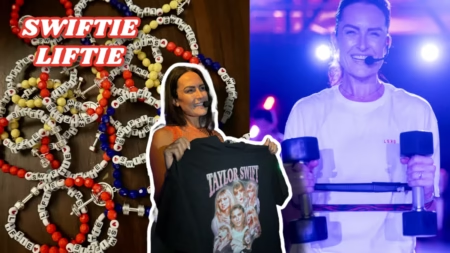
Swiftie Liftie created a fitness community where Taylor Swift fans can show up without fear of judgment or getting it wrong. Swift Steps® brings that same spirit of belonging to recovery, using Taylor’s eras as a framework for healing from addiction, disordered eating, grief and the complicated work of becoming yourself again.

In Stripped Down: Unfiltered and Unapologetic, Bunnie Xo shares her journey through childhood trauma, sex work, meth addiction and survival—and the choices that helped her build a new life in sobriety. Sober Curator Contributor Carolyn Bunn reviews this candid memoir about recovery, resilience and proving that your past does not get to write your final chapter.
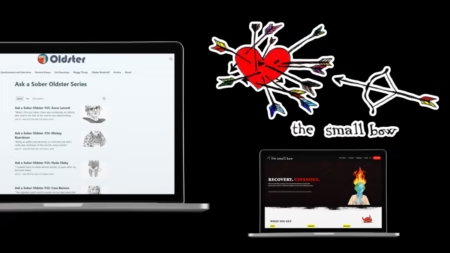
Somehow it took me years to find The Small Bow, A.J. Daulerio’s recovery newsletter, podcast, and daily meeting community. Or its crossover column with Oldster Magazine, “Ask a Sober Oldster,” now 35 installments deep. Consider this your formal introduction.
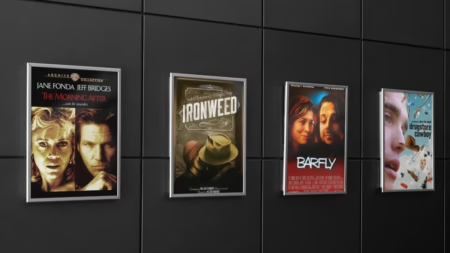
The ’80s brought us more than just big hair; it gave us movies that dared to show addiction without the glam. But did they really get it right? Dive into a sober rewatch and discover what these films missed.
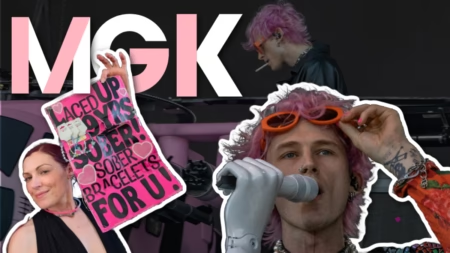
A Machine Gun Kelly concert in Scranton reminded Julianne why sober community must be built with intention, compassion, and an open door for anyone curious enough to come.
Laurie Woolever spent fifteen-plus years as the right hand to two of food media’s most complicated men, Mario Batali and Anthony Bourdain, while quietly falling apart behind the scenes. Her New York Times bestselling memoir, Care and Feeding, finally tells the story she couldn’t tell then. Closing in on nine years sober, she’s proof the most interesting thing about her was never the famous men on her resume.

In Part 2 of her Nashville series, Lane Kennedy examines Seasons 3 and 4 as the show moves beyond overt addiction storylines and into a deeper exploration of emotional capacity. Through Deacon’s long-term sobriety, Gunnar’s relationship patterns, Avery’s Al-Anon-like exhaustion, Juliette’s nervous system collapse, and the emotional weather surrounding Maddie and Daphne, Lane shows how Nashville captures the hidden cost of functioning long after the body and spirit have exceeded their limits.
You know the feeling when you walk into a room and immediately know: these are my people. On Episode 3, I asked our contributors one simple question, why The Sober Curator, and what came back was funnier, messier, and more honest than I expected.
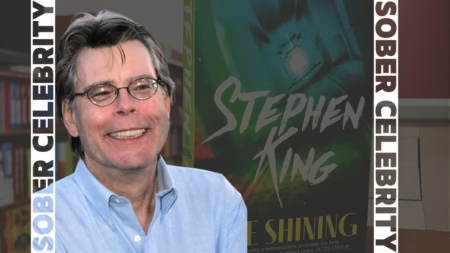
Stephen King has been sober for almost 40 years, and he still doesn’t remember writing an entire novel. Here’s the garbage bag intervention that started it, the fear that got proven wrong, and the 40-plus books that came after.