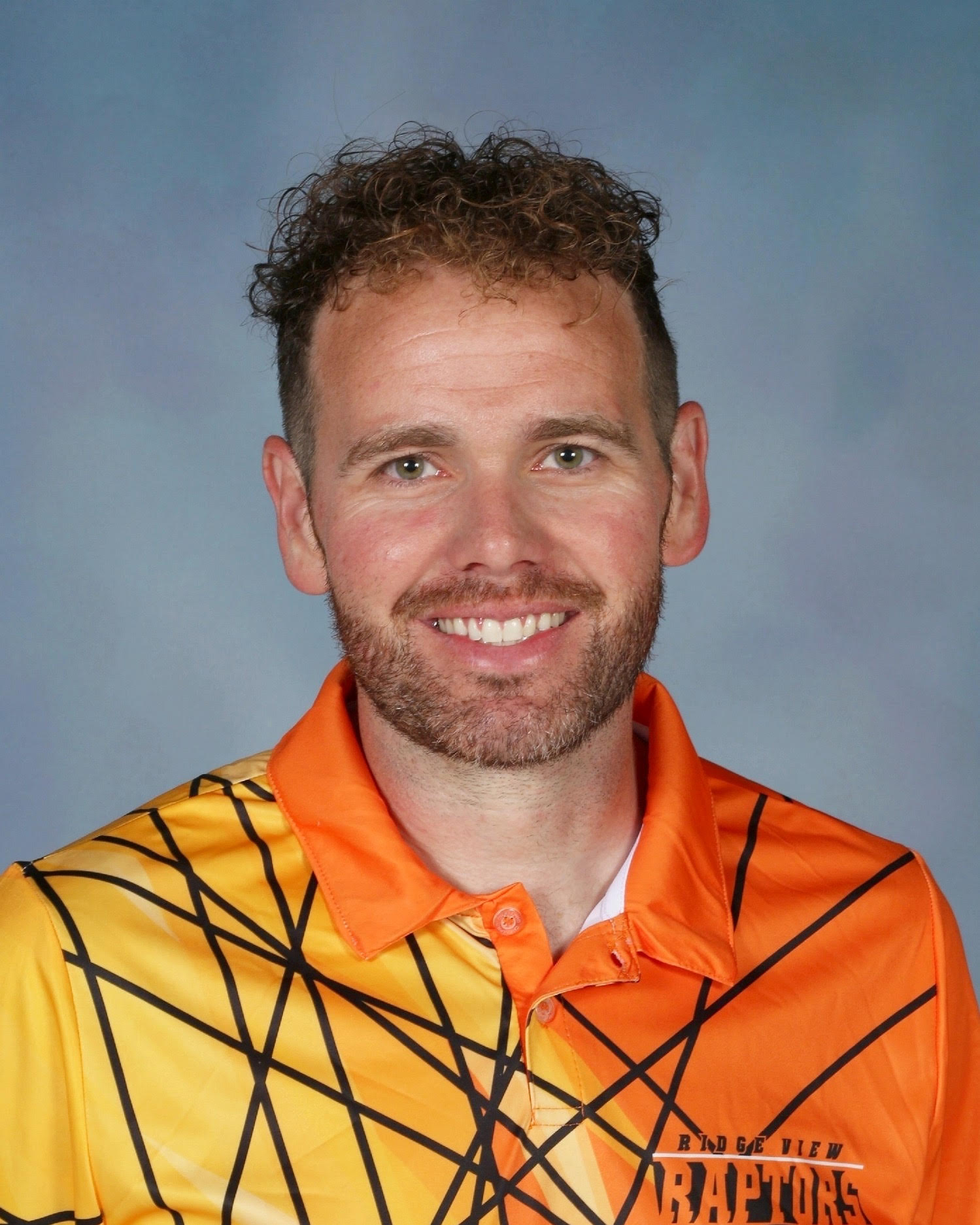
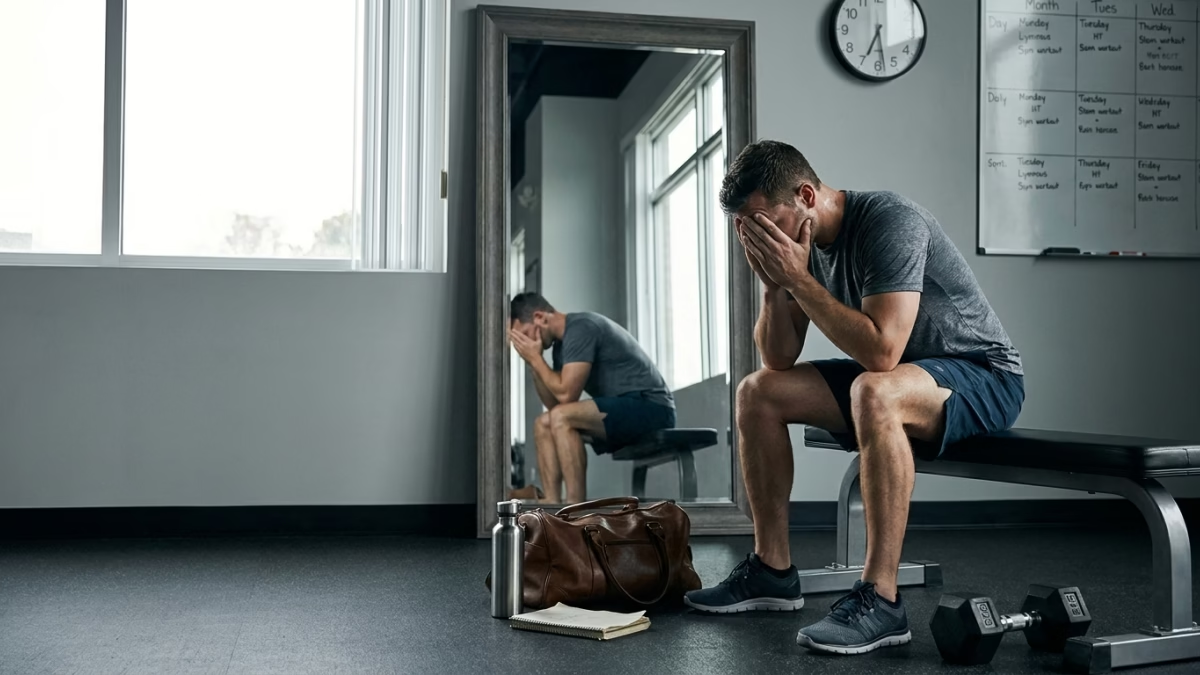
In the first nine months of my sobriety, I lost 105 pounds.
That sounds like a success story. In some ways, it was. I had stopped drinking and using drugs. I was exercising and making changes that looked like evidence of a completely different life.
But there was something the weight loss could not show.
I never took rest days. I ate far too little. I overtrained. Exercise became something I felt compelled to do, regardless of what my body needed.
My addiction recovery was real. My sober lifestyle was taking shape. But my relationship with fitness had become unhealthy.
I had removed substances without fully changing the way I treated myself.
A Healthier Habit Can Still Become Harmful
Exercise was healthier than drinking and using drugs. I do not regret getting sober or discovering what movement could offer me.
But “healthier than what I was doing before” became a low standard for evaluating whether something was good for me.
Compared with active addiction, another workout seemed harmless. Eating less seemed responsible. Taking no days off seemed disciplined.
Those comparisons made it easier to overlook the problem.
I was asking, “Is this better than using?”
I also needed to ask, “Is this sustainable? Am I taking care of myself? Do I feel free to stop?”
For me, the answers were uncomfortable.
When I describe fitness as my new addiction, I am describing my experience of compulsion, not suggesting that everyone who exercises intensely has a disorder. The concern was how rigidly exercise controlled my choices and how little room I allowed for anything else.
I Connected My Body to My Addiction
The hardest part to explain is what my weight represented.
In my mind, my obese self and my addicted self had become the same person. The body I wanted to change was connected to a chapter of my life I desperately wanted to leave behind.
Losing weight became more than a physical goal. It became a way of creating distance from that version of myself.
That connection made balance difficult.
If a smaller body represented progress, allowing my body to rest or eating more could feel like moving in the wrong direction. I had attached meaning to my appearance that a body should never have to carry.
Looking back, I needed to separate those things.
My body size did not measure my sobriety. A change on the scale could not tell me whether I was honest, present, connected, or living according to my values.
My body size did not measure my sobriety.
Justin Kinney
The person who entered recovery at a higher weight deserved care, too.
He did not need to earn it by becoming smaller.
When Discipline Leaves No Room for Care
As a strength and conditioning teacher and coach, I value effort. Consistency matters. Showing up matters. Learning to do difficult things matters.
But those ideas become distorted when effort is the only thing we respect.
A training plan that leaves no room for recovery is incomplete. So is a definition of discipline that allows us to push harder but never allows us to pull back.
The National Eating Disorders Association identifies rigid exercise despite fatigue or injury, distress around rest, and exercise used to compensate for eating as warning signs of excessive exercise. These patterns deserve attention even when someone appears fit.
My own warning signs were straightforward: no rest days, too little food, and too much training.
I did not need to wait until things became worse before those habits mattered.
I needed to recognize that caring for my body included responding to its needs.
The Danger of Replacing Without Reflecting
My experience does not mean that replacing drinking with exercise is a mistake. Healthy routines can belong in a meaningful recovery journey.
The danger, for me, was assuming that changing the activity automatically changed the pattern.
I could be sober and still approach life through extremes. I could pursue something associated with wellness while treating myself in ways that were anything but well.
That is why I believe conversations about mental health in recovery need room for this subject.
We should be able to celebrate someone’s progress and ask how they are actually doing.
Can they adjust their routine without feeling overwhelmed? Are they eating enough? Does exercise support their relationships and responsibilities? Is there space in their life for enjoyment that has nothing to do with achievement?
Those questions tell us something a transformation photo cannot.
Balance Took Me Years to Understand
This pattern lasted easily through the first five years of my sobriety.
I share that because recovery stories sometimes move too quickly from struggle to wisdom. Mine did not.
I stopped using substances before I understood how to build a balanced relationship with exercise. Recognizing that imbalance took time. Applying what I learned required more than simply knowing better.
Eventually, I began understanding healthy living differently.
Food had to become nourishment. Rest had to become part of the plan. Exercise needed to fit within my life instead of becoming the standard by which I judged it.
I still value fitness. I also value being a present father, husband, teacher, and coach.
My training should support those roles.
Learning balance has meant widening my definition of progress so that strength, energy, relationships, and peace have a place alongside physical goals.
A Recovery Worth Living In
For readers who come to this sober lifestyle magazine seeking recovery lifestyle inspiration, here is the part of my story I most want to share: you do not have to turn your recovery into another endurance test.
If exercise or eating feels out of your control, speak with a healthcare professional. Seeking recovery support can include getting help with patterns that emerge after substances are gone.
Losing 105 pounds changed my appearance.
Learning balance began changing my relationship with myself.
I am proud that I stopped drinking and using drugs. I am also learning to value a life in which I can work hard, eat enough, rest, and be present.
That is the healthy living I want my fitness to serve.
References
National Eating Disorders Association. (n.d.). Excessive exercise.
National Library of Medicine. (2024, September 4). Are you getting too much exercise? MedlinePlus.

SOBER SPORTS at The Sober Curator celebrates the connection between sobriety, wellness, and an active lifestyle. This section features articles, interviews, and personal stories from athletes and fitness enthusiasts who are thriving without alcohol. By showcasing the benefits of sober living—and the powerful role sports and fitness play in maintaining recovery—we’re reframing what wellness looks like and promoting a positive, empowering approach to life after booze.
- The Performance Trap: When a Legal Supplement Becomes an Addiction
- When the Jersey Comes Off: Identity, Mental Health, and Life After Sports
- The Most Dangerous Lie in Sports: “Real Men Drink”
God, grant us the serenity to #ADDTOCART! Sober retail therapy is our favorite kind of workout—mindful, fun, and community-focused. In this section, you’ll discover unique sobriety gifts, premium recovery swag, and must-have merch we can’t stop raving about. We love featuring small businesses founded by people in recovery, sober creators, and brands that champion mental health and the sober lifestyle. From #QUITLIT reads to stylish glassware and meaningful recovery keepsakes, our curated picks make every purchase a celebration of sober living.
Shop our classic Sober Curator merch on SHOPTHESOBERCURATOR.COM for and explore our TSC Amazon Storefront featuring curated lists packed with gifts, books, and sober essentials.
🛍️ Submit a Product for Review NA beverages, sober-friendly tools, alcohol-free brands, and products built for the way our audience actually lives. Submit your product →
Resources Are Available
If you or someone you know is experiencing difficulties surrounding alcoholism, addiction, or mental illness, please reach out and ask for help. People everywhere can and want to help; you just have to know where to look. And continue to look until you find what works for you. Click here for a list of regional and national resources.
Follow The Sober Curator on TikTok
Can exercise become an addiction after getting sober?
Exercise can become compulsive during addiction recovery when someone feels unable to reduce or skip workouts even when exercising is causing physical, emotional or social harm. The issue is not simply how often someone exercises, but how much control the behavior has over their choices.
What are warning signs of compulsive or excessive exercise?
Warning signs may include guilt or anxiety about missing workouts, exercising through illness or injury, refusing rest days, neglecting relationships or responsibilities, restricting food or using exercise to compensate for eating.
Is replacing alcohol or drugs with exercise healthy?
Exercise can absolutely support a sober lifestyle, but replacing substance use with rigid workouts, inadequate nutrition or extreme pressure can create another unhealthy pattern. Fitness should support recovery rather than become another way to punish or control yourself.
How can I create a healthier fitness routine in recovery?
A balanced fitness routine should include adequate nutrition, sleep, recovery days and flexibility. Goals such as strength, energy, mobility and enjoyment can also help broaden the definition of progress beyond weight or appearance.
When should I seek help for compulsive exercise?
Consider talking with a healthcare professional if you feel unable to reduce your exercise, experience significant distress when you rest, continue training despite injury or illness, or feel that exercise or eating has become difficult to control.