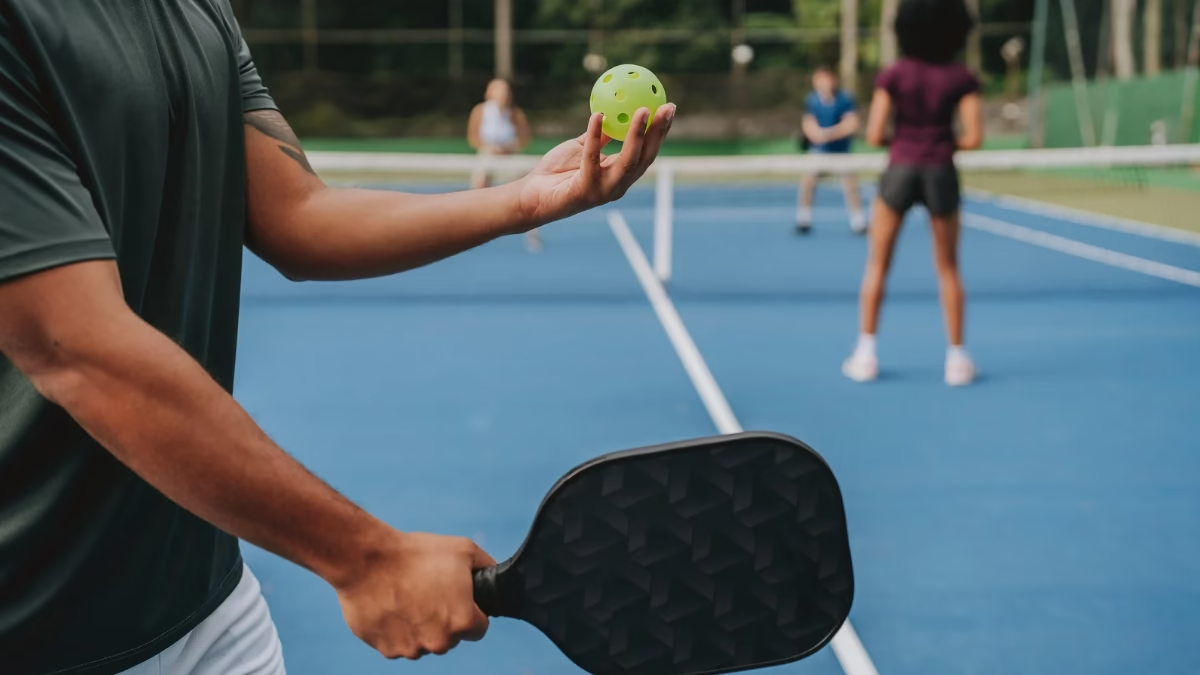
Friday evening arrives, the work messages finally slow down, and your group chat has a plan: meet at the courts. Someone brings spare balls, someone forgets the score, and conversation carries on between games. An alcohol-free night out can be as straightforward as finding something everyone enjoys doing together.
Once occasional games become a regular arrangement, choosing your own paddle gives you consistent equipment to learn with. Focus on finding a comfortable fit and a response that suits your shots.
Choose for the Games You Actually Play
Start with your usual court experience. Are you learning to keep a rally going, working on placement, or enjoying faster doubles exchanges? Think about one thing your current paddle does well and one thing you struggle with. Perhaps you like its quick handling but find off-center contact unpredictable.
When comparing the available RPM models, use those observations to narrow the choice by shape, thickness, weight, and handle dimensions. The collection includes elongated, widebody, and hybrid options, as well as 14 mm and 16 mm versions. Check each product’s specifications and stock status rather than assuming every combination is available.
Set a spending limit before comparing features. For weekly recreational play, identify the benefit you want from an upgrade and decide whether it justifies the expense. Include any shipping charges and demo fees in the comparison. Read the warranty terms, especially what counts as a manufacturing defect and what is treated as normal wear. A clear view of the total cost and after-purchase support helps you compare options at similar prices.
Find a Shape That Suits Your Contact
An elongated paddle generally has a longer, narrower outline that offers extra reach. It may appeal to someone who often stretches for returns, although the added length can come with a handling tradeoff.
A widebody design places more of the hitting surface across the paddle’s width. If you frequently catch the ball toward the sides of the face, it is worth testing whether that outline gives you more predictable contact. A hybrid shape offers another balance between length and width.
The “sweet spot” describes the area where contact feels solid, and the ball responds consistently. Its size and location depend on construction and shape, so outline alone cannot tell you how forgiving a paddle will feel.
Compare actual face dimensions when assessing shape. A longer handle can account for some of a paddle’s overall length, so total length alone does not describe the hitting area.
Read Thickness and Surface Claims Carefully
Core thickness helps distinguish related paddles. A 16 mm version may feel more cushioned than a 14 mm counterpart, but materials, internal construction, and weight distribution also influence response. Thickness alone cannot establish which option offers better control.
Translate descriptions such as “power” and “touch” into practical questions. Can you return a firm shot without sending the ball long? Can you place a gentle shot near the net?
Surface texture can contribute to spin, but swing path and contact remain essential. For games with players of different abilities, consider whether you can comfortably vary the pace, including slowing the ball for softer exchanges.
Check the Weight and Handle Together
Two paddles with similar listed weights can feel different in motion. More weight toward the head can make a paddle harder to accelerate or reposition, which a stationary hold will not reveal.
Make several gentle practice swings, then return the paddle to a ready position. Notice whether the motion feels natural or requires extra effort.
Check handle length separately from grip circumference. Length matters if you use a two-handed backhand; circumference affects how the handle sits in your palm. You should have enough room for your preferred hand position without feeling that you must squeeze constantly to keep the paddle secure.
An overgrip changes the finished handle size and adds some weight. For a technical explanation of paddle dimensions, surfaces, and permitted alterations, consult the equipment standards manual. Before entering a sanctioned event, confirm the current requirements for your paddle and any modifications.
Choose a paddle that feels suitable in its normal setup before planning extensive adjustments.
Give Your Shortlist a Real Court Test
Where borrowing or demo options exist, compare two or three candidates during the same session. Use the same ball and, where practical, the same partner. Changing several conditions at once makes differences harder to interpret.
Try a simple sequence:
- Serve several balls and judge placement.
- Return shots from the back of the court.
- Exchange soft shots near the net.
- Practice a few quicker volleys.
- Play a short game that combines those situations.
Judge consistency across several shots rather than one impressive winner. Switch back to your current paddle between trials, if possible, to compare each candidate with a familiar reference. Record a short note after each trial: which shots tended to go long, whether off-center hits twisted the paddle, and how easily you reached the backhand side. Note any added grips or weights on borrowed equipment, since you may be testing a modified setup rather than the version sold.
Take a break and return for another game to assess whether handling remains comfortable later in the session. Before purchasing, check demo fees, return deadlines, and whether court use affects refund eligibility.
Weigh Your Friends’ Recommendations
Friends’ recommendations reflect their experience, technique, and hand size. Someone with a tennis background may value reach and a familiar handle length, while another player may prioritize quick reactions near the net.
Useful questions include which shots became easier, what required adjustment, and how long they have used the paddle. Someone who has played several full sessions can describe more than a first impression.
For couples exploring alcohol-free date ideas, a shared paddle trial offers an active evening together. Take turns feeding balls so each person has time to compare equipment without the pressure of keeping score.
After choosing a paddle, keep the setup consistent for several outings. Changing grips or adding weight immediately makes it harder to learn how the original setup responds.
Make the Choice and Enjoy the Rally
You have enough information to choose when you understand the paddle’s main trade-offs, feel comfortable handling it, and know the purchase terms. You don’t need to keep expanding the shortlist in pursuit of a perfect specification.
Pack it for Friday and give yourself time to adjust. A few missed returns need not define the purchase or the evening. Enjoy the games, catch up between rounds, and let familiarity develop with each visit to the court.

BACKSTAGE REPLAY: Sober Sports – What Golf, Skiing and Electric Skateboarding Taught Us About the Rush vs. the Buzz
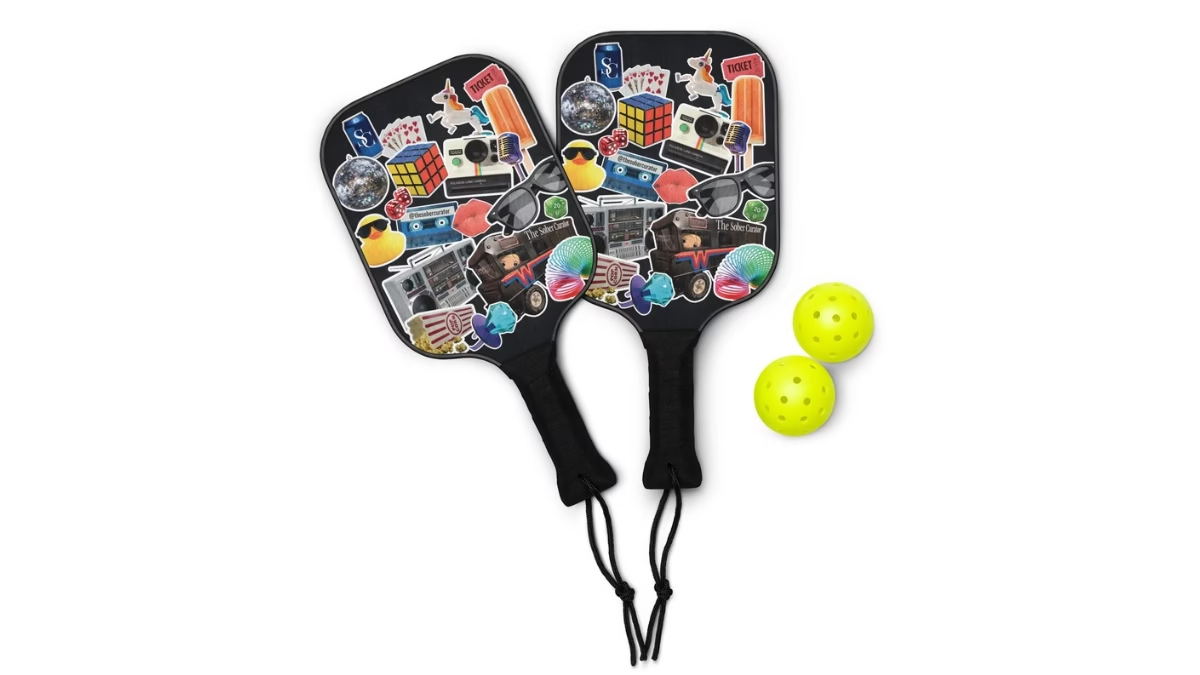
#ADDTOCART: Pickleball is the most sober-friendly sport going, and now you can rally in full Sober Curator regalia. This set comes ready to play, paddles and balls included. Game night, park day, sober tailgate. Bring the set, start the match, let the graphic do the talking.

God, grant us the serenity to #ADDTOCART! Sober retail therapy is our favorite kind of workout—mindful, fun, and community-focused. In this section, you’ll discover unique sobriety gifts, premium recovery swag, and must-have merch we can’t stop raving about. We love featuring small businesses founded by people in recovery, sober creators, and brands that champion mental health and the sober lifestyle. From #QUITLIT reads to stylish glassware and meaningful recovery keepsakes, our curated picks make every purchase a celebration of sober living.
Shop our classic Sober Curator merch on SHOPTHESOBERCURATOR.COM for and explore our TSC Amazon Storefront featuring curated lists packed with gifts, books, and sober essentials.
🛍️ Submit a Product for Review NA beverages, sober-friendly tools, alcohol-free brands, and products built for the way our audience actually lives. Submit your product →
Resources Are Available
If you or someone you know is experiencing difficulties surrounding alcoholism, addiction, or mental illness, please reach out and ask for help. People everywhere can and want to help; you just have to know where to look. And continue to look until you find what works for you. Click here for a list of regional and national resources.
Subscribe to The Sober Sip, powered by The Sober Curator
Resources Are Available
If you or someone you know is experiencing difficulties surrounding alcoholism, addiction, or mental illness, please reach out and ask for help. People everywhere can and want to help; you just have to know where to look. And continue to look until you find what works for you. Click here for a list of regional and national resources.
Follow us on Instagram @thesobercurator
Do I need my own pickleball paddle for my first game?
No, as long as you can borrow one. Ask a friend if they have a spare or check with the venue about loaners before you go. A few games with a borrowed paddle can tell you what you like about the grip, weight and reach.
How can I tell which of two pickleball paddles suits me better?
Use the same ball and, if possible, the same partner. With each paddle, try a few serves, soft shots near the net and quick volleys. Pay attention to which paddle helps you place ordinary shots consistently. That tells you more than the one spectacular winner you’ll be talking about all weekend.