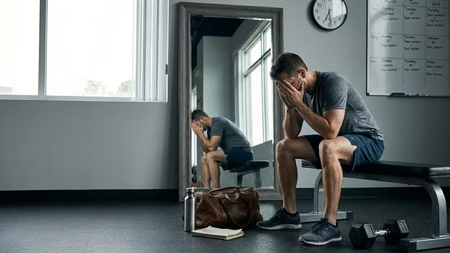
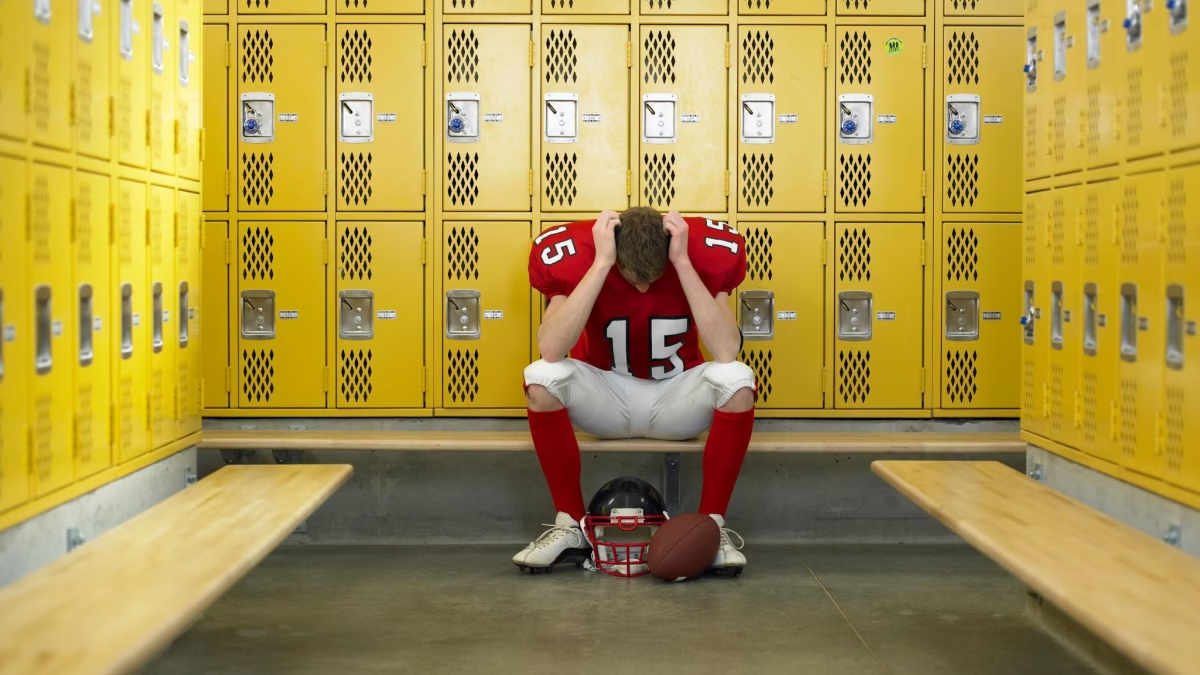
The final whistle blows.
The crowd begins to leave.
Teammates pull off their pads.
The locker room slowly empties.
At some point, every athlete experiences a moment few people are prepared for.
The jersey comes off.
And the question hits harder than any lift in the gym.
Who am I now?
For many athletes, this moment becomes more than a transition. It becomes the beginning of a deeper shift into a new lifestyle, a new identity, and a search for purpose beyond performance.
From a young age, sports provide structure, purpose, and belonging. Practices fill the calendar. Coaches provide direction. Teammates create accountability. Scoreboards measure progress. The identity of athlete becomes clear and reinforced every day.
But that identity rarely lasts forever.
At some point the season ends. Graduation arrives. Injuries happen. Careers shift. And when sports disappear, many athletes discover something unsettling.
They never built an identity outside the game.
This is where recovery lifestyle inspiration becomes critical. Without it, the loss of structure often leads to confusion, anxiety, and a lack of direction. Sports psychologists describe this as athletic identity, where a person defines themselves primarily through their role as an athlete. While this can fuel performance, it creates risk when the role disappears.
The structure that once shaped life vanishes almost overnight. No more practice schedules. No more team meetings. No more game days.
Without that structure, many athletes feel lost.
This transition is not limited to professionals. It happens to high school and college athletes as well. It happens to anyone whose identity has been built around performance.
When the jersey comes off, the question returns.
Who am I now?
I faced that question in my own life.
Sports shaped me early. I fell in love with training, discipline, and competition. For a short time, I played college football.
That chapter ended quickly.
Repeated trouble with alcohol forced me to leave school. At the time, I blamed circumstances. Looking back, the truth was simple.
When football disappeared, I did not know who I was without it.
Instead of confronting that reality, I avoided it.
Addiction filled the space where identity once lived.
That is the danger of identity collapse. When your entire sense of worth is built around one role, losing that role can feel like losing yourself. For many, this is where sober recovery becomes essential, not optional.
Some turn to alcohol.
Some turn to drugs.
Some chase distraction.
Athletes are used to structure. Life outside sports is not as clear. There is no scoreboard measuring progress. No clear schedule. No defined season.
The silence after the game ends often feels louder than the crowd ever did.
This is where building an alcohol-free lifestyle and applying sober lifestyle tips becomes critical. Structure must be rebuilt. Identity must be redefined.
Sports were never meant to be the final destination.
They were preparation.
The lessons matter more than the results. Discipline. Accountability. Resilience. Teamwork.
These same qualities are the foundation of long-term recovery and long-term sobriety. When athletes understand this, the transition becomes easier.
The jersey may come off, but the habits remain.
The discipline learned in training becomes discipline in life. The resilience built through competition becomes strength during adversity. The accountability demanded by coaches becomes personal responsibility.
Sports stop being an identity and start becoming preparation.
Athletes who transition successfully develop identity beyond the game. They become more than competitors. They become leaders, professionals, parents, and individuals living with purpose. Many find direction through building a sustainable sobriety lifestyle.
This is something I emphasize with the athletes I coach.
Performance matters.
Competition matters.
But character matters more.
The game will end for every athlete. Championships fade. Statistics disappear. The crowd goes home.
What remains is who you become.
The discipline you develop.
The habits you build.
The character you carry forward.
One day, the jersey will come off.
The real question is whether the lessons stayed.
Today I see sports differently. They prepare you for adversity. They prepare you for responsibility. They prepare you for life.
This message is echoed across top sober blogs and recovery stories and inspiration platforms. Identity is not what you did. It is what you continue to build.
These lessons became part of the foundation for my book, From Rock Bottom to Redemption, which focuses on discipline, faith, and daily habits that create lasting change.
The game always ends.
But if you used it well, something better begins.
When the jersey comes off, the habits remain.
And those habits will determine who you become.
SOBER SPORTS with Justin Kinney
1% Better: How Small Daily Habits Build a Sober Lifestyle
Damon West on Recovery: The Coffee Bean Mindset, Discipline, and Building a Comeback Story
What the Weight Room Taught Me About Recovery
Toughness, Tradition, and the Question of Alcohol in Hockey Culture
All the cool kids go to rehab…

Resources Are Available
If you or someone you know is experiencing difficulties surrounding alcoholism, addiction, or mental illness, please reach out and ask for help. People everywhere can and want to help; you just have to know where to look. And continue to look until you find what works for you. Click here for a list of regional and national resources.
Follow The Sober Curator on X, the artist formerly known as Twitter
- What happens when athletes lose their identity after sports?
Athletes often experience confusion, anxiety, and loss of purpose because their identity was tied to performance. Building a broader identity helps ease this transition. - What is a sober lifestyle and how does it help former athletes?
A sober lifestyle focuses on discipline, structure, and intentional living without alcohol. It helps former athletes rebuild purpose and maintain long term recovery. - Why do athletes struggle with mental health after sports?
Athletes lose structure, routine, and identity when their careers end, which can lead to anxiety, depression, and identity confusion. - How can athletes build a life after sports?
Athletes can apply discipline, resilience, and accountability learned through sports to careers, relationships, and personal development. - What are the benefits of sober living after athletics?
Sober living improves mental clarity, emotional stability, and long term direction while helping individuals build a meaningful life beyond sports.