Walk through almost any sporting event in America and you will see it.
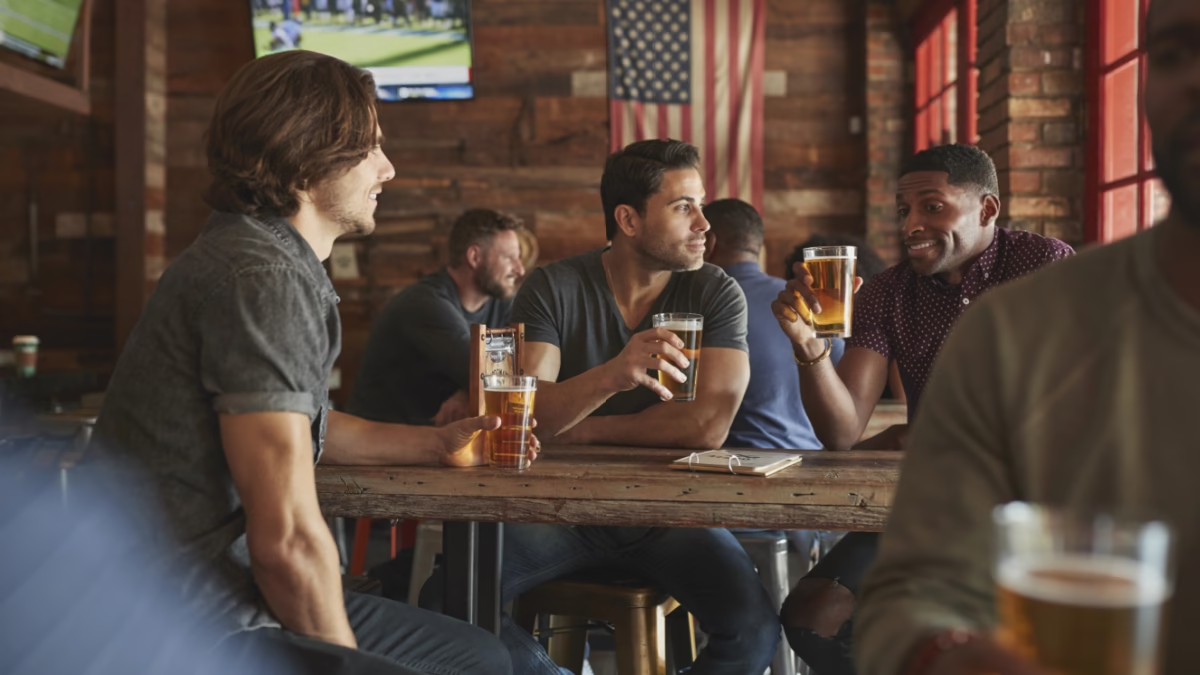
The tailgates.
The postgame celebrations.
The locker room jokes.
The commercials that link victory with a cold beer.
Alcohol and sports have become so intertwined that most people no longer question the connection, making alcohol in sports feel normal rather than something to examine. Drinking is often treated as part of the culture. It is expected at celebrations, normalized in locker rooms, and sometimes even viewed as a symbol of toughness.
For many athletes, the message begins early.
Real men drink.
The problem is that message is not only misleading. It can be dangerous.
Alcohol use among athletes is well documented, especially when looking at the connection between athletes and alcohol within team environments. Research shows that college athletes often report drinking at rates equal to or higher than their non athlete peers, particularly in team sports where social norms encourage group drinking (Martens, Dams O’Connor, & Beck, 2006). The pressure to fit in with teammates, celebrate victories, or cope with stress reinforces the idea that alcohol is simply part of the athletic experience.
That belief becomes deeply embedded in sports culture.
Players celebrate wins with alcohol.
Fans celebrate championships with alcohol.
Media coverage frequently portrays alcohol as part of the sporting lifestyle.
When something is repeated often enough, it begins to feel normal, which is how sports drinking culture continues to reinforce itself.
But normal does not mean healthy.
The truth is that many athletes are introduced to unhealthy relationships with alcohol through environments that unintentionally reinforce the behavior. Studies have shown that team culture, peer influence, and expectations around masculinity can significantly affect substance use among athletes (Ford, 2007).
In other words, athletes are not just drinking. They are responding to social pressure, sports culture expectations, and normalized alcohol use in athletics.
Those expectations often revolve around toughness.
Sports culture has long celebrated the idea that real athletes push through pain, ignore weakness, and never show vulnerability. While resilience and perseverance are valuable qualities, they can be misunderstood. Instead of encouraging healthy coping strategies, athletes may feel pressure to hide struggles or mask emotional stress.
Alcohol becomes one way to do that.
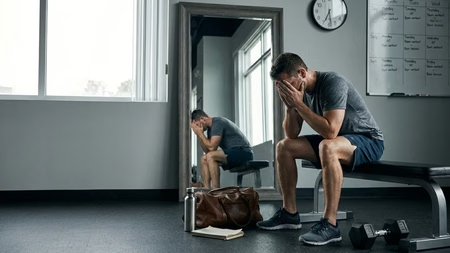
Instead of talking about anxiety, athletes drink.
Instead of processing disappointment, athletes drink.
Instead of admitting vulnerability, athletes drink.
The behavior may be framed as celebration or camaraderie, but for many people it becomes something else.
Escape.
This pattern is especially powerful for young athletes who are still forming their identities. If the message they receive from teammates, role models, and media is that drinking proves toughness or masculinity, many will follow that example.
But the idea that alcohol equals strength is one of the biggest myths in sports, especially in environments where athlete substance use is tied to identity and toughness.
Real strength has nothing to do with how much someone can drink.
Real strength looks very different.
Real strength is discipline.
Real strength is accountability.
Real strength is the ability to walk away from something that is harming you, even when everyone around you tells you it is normal.
I learned that lesson the hard way.
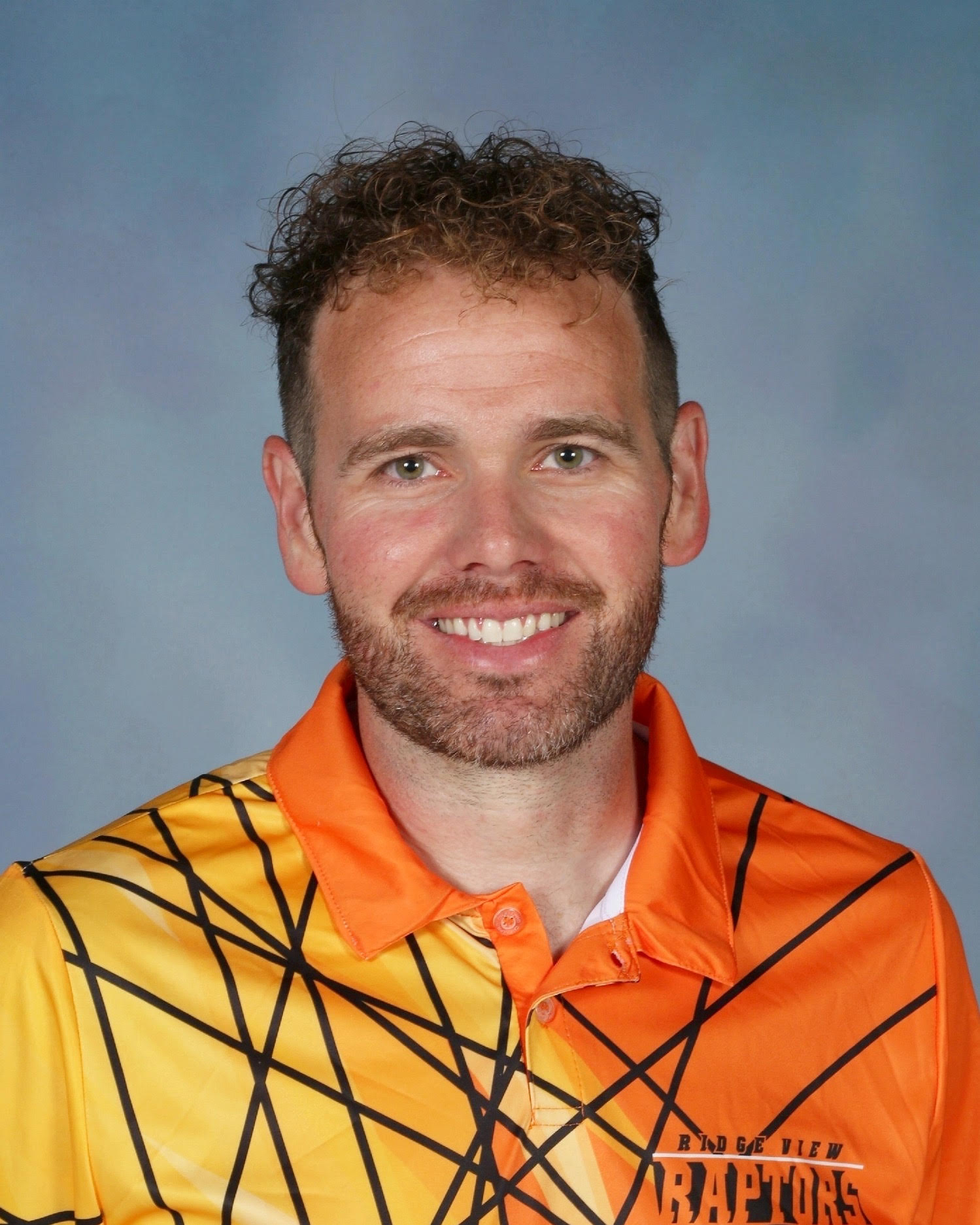
Sports were a central part of my life growing up. I loved the structure, the competition, and the discipline that athletics provided. For a short time, I played college football.
That opportunity ended quickly.
Repeated trouble with alcohol, shaped by my own unhealthy relationship within sports drinking culture, led to public and underage intoxication charges that forced me to leave the program. At the time, I blamed circumstances and bad luck. I told myself the same things many people tell themselves when alcohol is involved.
It was not that serious.
Everyone drinks.
It is just part of the culture.
Looking back now, those were excuses.
Alcohol was not making me stronger. It was quietly destroying the discipline that sports had once helped build.
One of the difficult realities of addiction is that people can appear successful on the outside while struggling privately. During the years when my drinking was at its worst, I was teaching and coaching full time. I appeared disciplined. I appeared driven.
But behind that image, my life was falling apart.
Eventually, recovery forced me to confront something simple but uncomfortable.
Strength is not measured by how much you can consume.
Strength is measured by how well you can control yourself, which is the foundation of true discipline in sports and in life.
That lesson is something I try to emphasize with the athletes I coach today, especially as they navigate the pressure of alcohol in sports environments.
Sports have the power to build incredible character. Training teaches discipline. Competition teaches resilience. Team environments teach accountability and sacrifice.
But those lessons can be undermined when unhealthy habits become normalized.
Young athletes are watching everything.
They watch how coaches behave.
They watch how older players celebrate.
They watch how adults talk about alcohol and success.
The messages they receive shape the culture they inherit.
If sports culture continues to equate drinking with toughness, that message will continue spreading.
But if sports culture begins emphasizing discipline, responsibility, and self control, something different can happen.
Athletes can become examples of strength in the truest sense.
They can show that discipline is more powerful than indulgence.
They can show that resilience is more valuable than escape.
They can show that real toughness means facing life honestly rather than hiding behind habits that slowly erode character.
The strongest athletes I know are not the ones who drink the most.
They are the ones who control themselves.
They are the ones who train when no one is watching.
They are the ones who take responsibility for their choices.
They are the ones who understand that discipline off the field matters just as much as discipline on it.

These lessons eventually became part of the foundation for my book, From Rock Bottom to Redemption: 365 Daily Lessons for Rebuilding Your Life through Discipline, Faith, and Purpose, which explores how daily habits and personal responsibility shape lasting change.
Sports can teach incredible lessons.
But only if we are willing to question the ones that were never true in the first place.
The idea that “real men drink” is one of those lies that continues to fuel unhealthy patterns of alcohol use in sports.
Real strength is not found in the bottle.
It is found in discipline.
References
Ford, J. A. (2007). Alcohol use among college athletes: A comparison based on sport/team affiliation. Journal of American College Health, 55(6), 367–373.
Martens, M. P., Dams O’Connor, K., & Beck, N. C. (2006). A systematic review of college student athlete drinking: Prevalence rates, sport related factors, and interventions. Journal of American College Health, 54(6), 349–356.
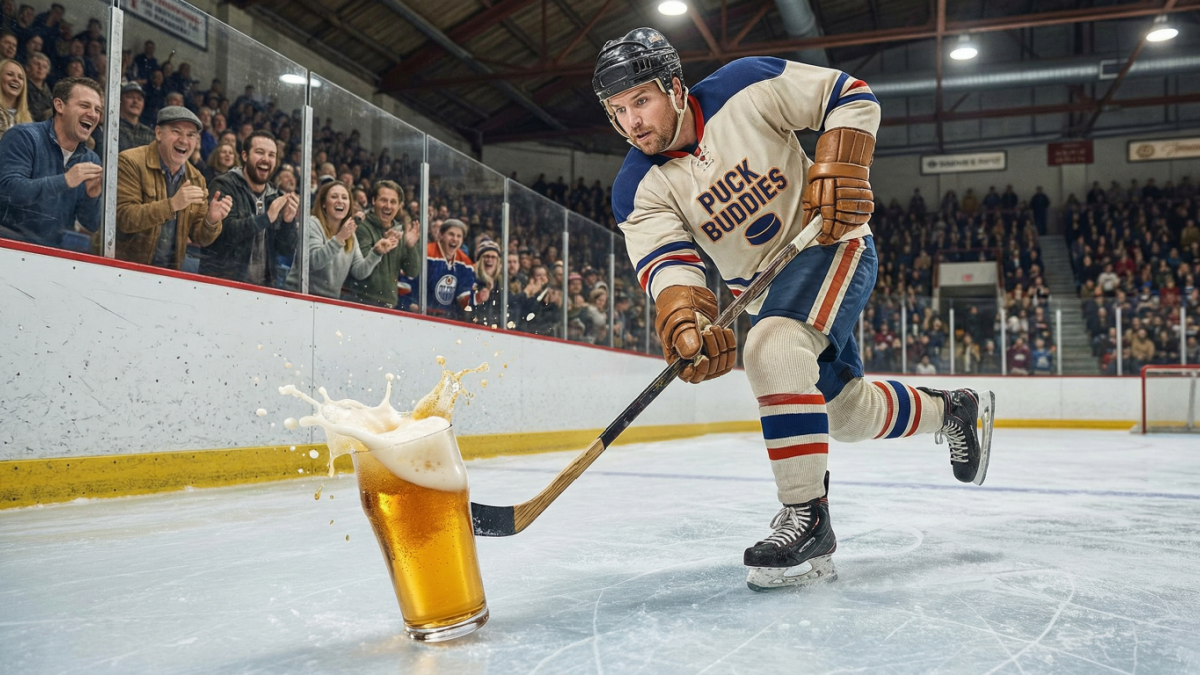
SOBER SPORTS: Toughness, Tradition, and the Question of Alcohol in Hockey Culture
SOBER SPORTS with Justin Kinney
- Damon West on Recovery: The Coffee Bean Mindset, Discipline, and Building a Comeback Story
- What the Weight Room Taught Me About Recovery
- 1% Better: How Small Daily Habits Build a Sober Lifestyle
God, grant us the serenity to #ADDTOCART! Sober retail therapy is our favorite kind of workout—mindful, fun, and community-focused. In this section, you’ll discover unique sobriety gifts, premium recovery swag, and must-have merch we can’t stop raving about. We love featuring small businesses founded by people in recovery, sober creators, and brands that champion mental health and the sober lifestyle. From #QUITLIT reads to stylish glassware and meaningful recovery keepsakes, our curated picks make every purchase a celebration of sober living.
Shop our classic Sober Curator merch on SHOPTHESOBERCURATOR.COM for and explore our TSC Amazon Storefront featuring curated lists packed with gifts, books, and sober essentials.
🛍️ Submit a Product for Review NA beverages, sober-friendly tools, alcohol-free brands, and products built for the way our audience actually lives. Submit your product →
Resources Are Available
If you or someone you know is experiencing difficulties surrounding alcoholism, addiction, or mental illness, please reach out and ask for help. People everywhere can and want to help; you just have to know where to look. And continue to look until you find what works for you. Click here for a list of regional and national resources.
Follow The Sober Curator on X, the artist formerly known as Twitter
1. Why do athletes drink so much in sports culture?
Athletes often drink due to social pressure, team bonding, and cultural norms that associate alcohol with celebration and toughness. In many sports environments, drinking is normalized through locker room culture, media influence, and peer expectations. This creates a cycle where alcohol becomes part of the identity of being an athlete, even when it harms performance and well-being.
2. Is alcohol really part of sports culture or is it a myth?
Alcohol has become deeply embedded in sports culture, but that does not make it healthy or necessary. While many teams and fans associate drinking with celebration, research shows that these behaviors are driven more by social influence than actual benefit. The belief that alcohol is part of being an athlete is a learned behavior, not a requirement for success.
3. How does alcohol affect athletic performance and discipline?
Alcohol negatively impacts recovery, focus, sleep, and overall performance. More importantly, it weakens discipline, which is the foundation of athletic success. Athletes who rely on alcohol often struggle with consistency, decision-making, and long-term development. True performance gains come from structure and self-control, not habits that undermine progress.
4. What is the connection between masculinity and drinking in sports?
Many athletes are taught that drinking is a sign of toughness or masculinity, but this belief is misleading. Sports culture has historically linked alcohol with being strong or resilient, even though it often masks stress and emotional struggles. Real strength is demonstrated through accountability, discipline, and the ability to face challenges directly without relying on substances.
5. How can athletes build discipline without relying on alcohol?
Athletes can build discipline by focusing on daily habits such as training consistency, recovery, nutrition, and mental resilience. Surrounding themselves with teammates and coaches who prioritize accountability over social pressure is also critical. Recovery, growth, and long-term success are built through structure and intentional choices, not through escape or temporary relief.