Skip to content
Close Menu
The Sober CuratorThe Sober Curator
  • NONPROFIT RECOVERY RESOURCES
  • 75+ Things to Do Sober (That Are Actually Fun)
  • About The Sober Curator: The Definitive Sober Culture Media Brand
  • Account
  • Addiction & Recovery Glossary: 100+ Terms Explained | The Sober Curator
  • Advice
  • Affiliate Area
  • Affiliate Login
  • Affiliate Registration | Backstage with The Sober Curator
  • ALCOHOL & SUBSTANCE USE DISORDER RESOURCE GUIDE
  • Alcohol Free Life Podcast
  • Alexandra Nyman, CARC-RPA, RCP, SRCD
  • Alysse Bryson: Founder of The Sober Curator | Media Executive
    • Sober Curator Contributor Back Stage Pass
  • Amazingly AF Mother Daughter Podcast
  • Amy Liz Harrison
  • Analisa Six
  • Andrew Littlefield, CRPA, RPC-F
  • Anne Marie Cribbin
  • April Burt
  • Ashley Sunderland
  • BACKSTAGE Member Home
  • Backstage Member Perks
  • BACKSTAGE Member Perks Mocktail Recipe Cards
  • BACKSTAGE Members Dashboard
  • Backstage Replay Vault
  • BACKSTAGE Terms & Conditions
  • BACKSTAGE Welcome
  • BACKSTAGE with The Sober Curator | Now Open
  • Backstage with The Sober Curator | Waitlist
  • Become a Contributor to The Sober Curator
  • Behind the Bar
  • Bill Lindala
  • Bottoms Up Midcentury Barware Show
  • Break Free Foundation
  • Carolyn Bunn
  • Checkout
  • Choose Your Own Sober Adventure
  • Classy Problems
  • Clued In: The Sober Curator’s Monthly Crossword Puzzle
  • Codependency
  • Coming Out Sober
  • Contact The Sober Curator
  • CONTRIBUTOR DIRECTORY
  • Cookie Policy
  • Dan T. Rogers
  • Daniel G. Garza
  • Data subject request form
  • David Henzell
  • Dear Readers | A Message from The Sober Curator
  • Derek Castleman
  • DIY and Crafts
  • Do not sell or share my personal information
  • DONOR WALL OF FAME
  • Dr. Sarah Michaud
  • Edit Profile
  • Edit Your BACKSTAGE Profile
  • Editorial Guidelines
  • Family Resources
  • Finn Allen
  • Happy Every Hour: Non-Alcoholic Drinks | The Sober Curator
  • Health and Wellness
  • J. Michael Harris
  • James Gwinnett
  • Jason Mayo
  • Justin Lamb
  • Kim Parsley
  • King County Recovery Conversations
  • Krysty Krywko
  • Lane Kennedy
  • Leaving CrazyTown
  • LGBTQ+ Recovery Resources
  • Links Disclaimer
  • Lisa
  • Lisa C.
  • Live Through Love
  • Log In
  • Login
  • Mark Carlin
  • Mark Nyman
  • Mastering Mental Fitness
  • MAY THE SOBER FORCE BE WITH YOU
  • Megan Swan
  • Megan Wright
  • Member Directory
  • Mental Health
  • Movie Night With The Sober Curator
  • Music
  • My Account
  • My Profile
  • NA Beers and Ciders Reviews from The Sober Curator
  • NA Tasting Events
  • Non-Alcoholic Lifestyle Products
  • Non-Alcoholic Spirits
  • Non-Alcoholic Wine
  • NONPROFIT RECOVERY RESOURCES
  • Nosedive Podcast
  • Order Confirmation
  • Order Failed
  • Patti Clark
  • Pitch Your Podcast
  • Podcast Booking
  • Podcast Booking 2
  • Podcast Pre-Interview
  • Podcast Template – Free
  • Podcast Template – Paid
  • Podcast Transfer
  • Poetry
  • Present and Sober Podcast
  • PRESS
  • Privacy Policy
  • Privacy Policy
  • Quit Lit Books About Sobriety and Recovery | The Sober Curator
  • Ready to Drink
  • Recovery Podcasts and Sober Podcasts
    • A Sober Girls Guide
    • Armchair Expert
    • Confident Sober Women
    • Don’t Touch My Mindset
    • Dopey Podcast
    • Episode Idea
    • Eternally Amy
    • F*cking Sober
    • F*cking Sober Podcast
    • Friend Request
    • Hello Someday
    • Join Recovery Podcastland
    • Non Drinking Buddies podcast
    • Not All There Podcast
    • One Day At A Time
    • Podcast Review
    • Recovery Elevator
    • Recovery Guy
    • Recovery Rocks podcast
    • Rewired Sober Podcast
    • Seltzer Squad
    • Smartless
    • Sober Champs
    • Sober Curator Podcast
    • Sober Dad Crew
    • Sober Edge
    • Sober Motivation Podcast
    • Sober Not Mature
    • Sober Speak
    • Soberful
    • Sobriety Checkpoint
    • That Sober Guy
    • The Creative Sober
    • The Mental Illness Happy Hour
    • The Way Out
    • This Naked Mind
    • Wellness As A Way of Life
    • You’re Sober, Now What? Podcast
  • Refund Policy
  • Reset Password
  • Rewired Sober
  • Ryan Lee
  • Samantha Bushika
  • SANS BAR ACADEMY AWARDS WEEKEND 2025
  • Sarah Alaimo
  • Sign Up
  • Sober & Lit
  • Sober Celebrities and Sobriety in Pop Culture | The Sober Curator
  • Sober Cruising Guide
  • Sober Curator Affiliates
  • Sober Curator Contributor Application Form
  • Sober Curator Podcast Resources
  • Sober Date Ideas
  • Sober Entertainment
  • Sober Events Calendar 2026: Alcohol-Free Gatherings Near You
  • Sober Events Calendar Submission
  • Sober in Minnesota with @RecoveryGirlMN
  • Sober in NYC
  • Sober in Seattle
  • Sober is Dope!
  • Sober Life Rocks podcast
  • Sober Lifestyle
  • Sober Not Subtle
  • Sober Retreat Calendar Submission
  • Sober Retreats 2026: Top Recovery & Wellness Retreats Guide
  • Sober Spotlight
  • Sober Travel Guide | The Sober Curator
  • Sober Unbuzzed Feed
  • Sober Voices
  • Sobercast
  • Soberness podcast
  • SOBERSCRIBE AND WIN!
  • SoberStack | Members-Only Content | BACKSTAGE with The Sober Curator
  • Sobriety In the City
  • Speak Out Speak Loud
  • Spiritual Gangster
  • Spiritual Substance
  • Sports
  • Stephen Kimball
  • Stoicism
  • Tamar Routly (formerly Medford)
  • Teresa Bergen
  • Terms of Service
  • Test
  • Thank You
  • The BACKSTAGE Lounge | Members-Only Community
  • The Card Divo – Sober Tarot
  • The Middle of It
  • The Mindful Binge
  • The Sobees Scoring System
  • The Sober Cruise
  • The Sober Curator 2026 Readership Study
  • The Sober Curator Game Room
  • The Sober Curator Rolodex
  • The Sober Curator x Podcast Impact Studio Collab
  • The Sober Curator: Sober Culture, NA Drinks & Alcohol-Free Living
  • The Sober Sip Rewards Program
  • Thirsty for Wonder
  • Tony Harte
  • TSC 2025 Contributor Form
  • TSC Ultimate Sober Library Sweepstakes September 2024
  • Walk Your Talk
  • WE DO RECOVER
    • Alysse’s Sober Story
    • Amy’s Sober Story
    • Analisa’s Sober Story
    • Carolyn’s Sober Story
    • Carrie’s Sober Story
    • Daniel G Garza’s Sober Story
    • Jay’s Sober Story
    • Justin’s Sober Story
    • Lane’s Sober Story
    • Lisa’s Sober Story
    • Megan’s Sober Story
    • Megan’s Sober Story
    • Phillip Vitela’s Sober Story
    • Tamar’s Sober Story
  • Wellness as a Way of Life
  • What A Trip! Sober Travel
  • Yoga and Pilates
  • You’re Sober, Now What?
  • Your Go-To Guide for All Things Recovery & Sober Living
Facebook X (Twitter) Instagram Pinterest YouTube LinkedIn TikTok
The Sober CuratorThe Sober Curator
Home - I Got Sober in the 90s. Grey’s Anatomy Showed Up Much Later.
SPIRITUAL SUBSTANCE

I Got Sober in the 90s. Grey’s Anatomy Showed Up Much Later.

Lane KennedyBy Lane KennedyMarch 21, 20267 Mins Read
I Got Sober in the 90s. Grey’s Anatomy Showed Up Much Later.
Share
Facebook Twitter LinkedIn Pinterest Email

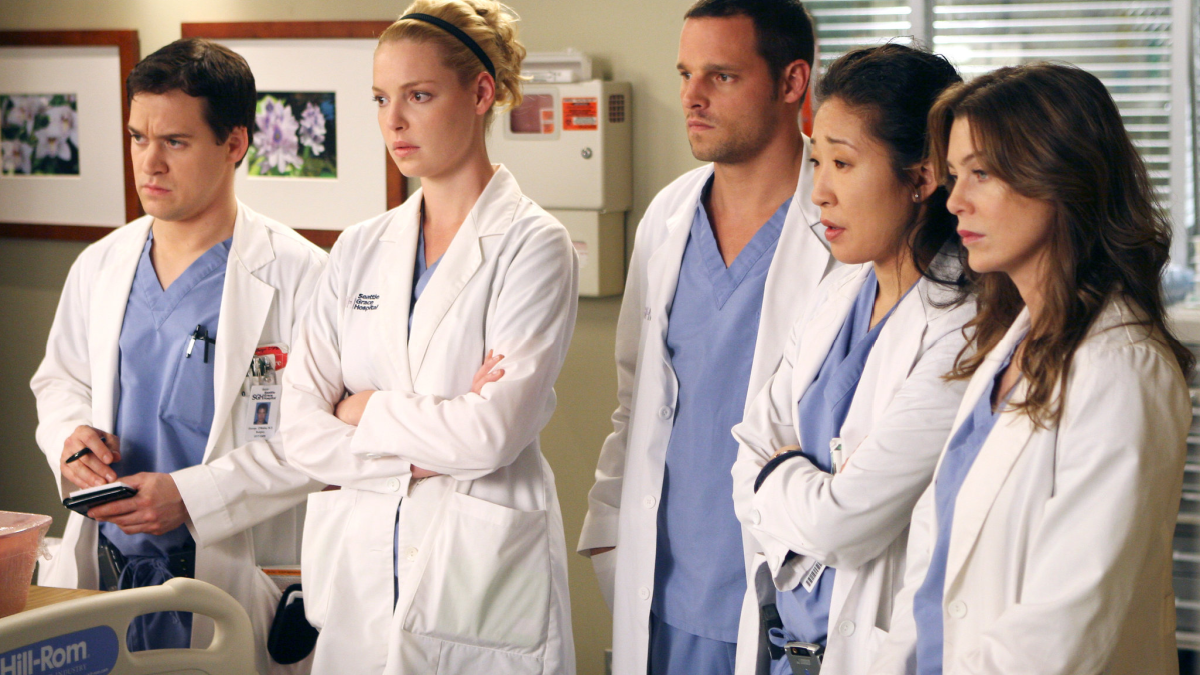
Part 1 of a four-part series examining recovery, regulation, and what Grey’s Anatomy accidentally reveals about how humans cope.


In the mid-1990s, drinking was still marketed as a personality trait, and I was at the top of my game. Modeling, drinking at Jones, or Merix’s Tex Mex or Bottomless Brunch at La Boheme. I had definitely arrived, rubbing elbows with Herb Ritts, Sharon Stone, Hudson Leick, and so many more… Life was intoxicating.

Alcohol was sophistication. Social glue. Stress management. Networking tool. Weekend hobby. It was how adults relaxed after work, how we celebrated success, and how we softened disappointment.

Opting out was noticeable.

Not scandalous. Just… inconvenient to the rhythm of things.

I got sober anyway.

At the time, sobriety didn’t carry the cultural language it does today. There were no sober-curious movements, no alcohol-free menus proudly printed on restaurant boards, no social media accounts devoted to the art of not drinking. Recovery existed mostly in quiet rooms among people who understood that rebuilding a life required far more than simply putting down a glass.

Television was not part of that rebuilding.

Which is how I somehow missed an entire cultural phenomenon.

Grey’s Anatomy had already become a staple of American television while I was learning how to live sober. But I never watched it. Not one episode. My life during those early years revolved around something else entirely: stabilizing my nervous system, rebuilding identity, and figuring out how to exist without the chemical buffer I had relied on for years.

Entertainment ranks surprisingly low when survival is the project.

And then, decades later, Grey’s Anatomy quietly entered my life.

Not during some leisurely streaming phase. Not as entertainment. It arrived during a period when my body had other plans — a stretch of illness that reorganized the shape of my days and narrowed what counted as activity.

When physical capacity shrinks, time behaves differently. Hours stretch. Energy contracts. Life slows down. The ordinary things that once seemed trivial — routines, familiar voices, predictable stories — begin to carry structural weight.

This is when Grey’s showed up.

What surprised me was not that I liked it, but how slowly I moved through it. It took me roughly a year and a half to watch the series.

In the age of aggressive binge culture, that almost sounds quaint.

But watching television while managing illness is not the same as recreational streaming. Episodes become companions rather than content. Characters evolve into familiar presences. Their voices, conflicts and rhythms settle into something recognizable — even grounding.

I wasn’t devouring a show.

I was settling into a universe.

And somewhere along the way, something else became clear — something far more interesting than simple enjoyment.

The show was regulating my nervous system.

Not in a mystical sense. In a biological one.

Human brains are constantly scanning for novelty and threat. When environments feel unpredictable, the nervous system remains vigilant. But familiarity — even fictional familiarity — lowers that burden. Known characters, known settings and known emotional rhythms reduce cognitive load.

The brain relaxes when it recognizes patterns.

By the time I had spent enough episodes with the surgeons navigating chaos in Seattle, their world had become strangely stabilizing. I knew the personalities. I understood the emotional terrain. I could anticipate the tone of the stories.

For a nervous system navigating illness, that kind of predictability matters more than we tend to admit.

We often dismiss television as distraction or escapism. But under certain circumstances, it functions more like scaffolding — quietly supporting the mind when physical capacity is limited. Long-form storytelling, especially when it unfolds over many seasons, creates continuity. It gives the brain a narrative thread to follow when other parts of life feel uncertain.

In my case, it also offered something else.

Perspective.

Because watching Grey’s Anatomy as someone who got sober in the 1990s is a slightly different experience than watching it purely for entertainment. Certain characters land differently. Certain storylines echo familiar psychological terrain. The show, intentionally or not, contains a surprising number of narratives about addiction, grief, stress and the complicated ways humans try to regulate themselves.

Viewed through sober eyes, the hospital sometimes looks less like a television drama and more like a psychological ecosystem — high-achieving professionals operating under enormous pressure, each negotiating their own coping strategies.

Once you notice that pattern, the show shifts.

It becomes less about medicine and more about how people survive themselves.

And that realization is what inspired this series.

Over the next four articles, I’ll be dissecting Grey’s Anatomy through the lens of recovery and nervous system regulation:

Part 1 — How the show unexpectedly became a regulating companion during illness (this piece).
Part 2 — The recovering characters of Grey’s Anatomy and why their addiction narratives feel uncomfortably real.
Part 3 — How the show reflects cultural shifts in how we talk about addiction, trauma and coping.
Part 4 — Why familiar fictional worlds can help stabilize the nervous system during periods of stress, illness or recovery.

Grey’s Anatomy may be known as a medical drama.

But if you watch closely — especially through sober eyes — it is also something else entirely: a long-running study in how human beings cope with pressure, pain, ambition and the relentless work of staying functional.

Not bad for a show I ignored for two decades.


Grey’s Anatomy Season 1 – Official Trailer

Grey’s Anatomy Season 1 / Chirurdzy Sezon 1 – Official Trailer HD

  • Comfort Viewing: Why I Still Love ‘Grey’s Anatomy’ – The New York Times
  • #ADDTOCART: Greys Anatomy Funny Sticker Pack 
  • #ADDTOCART: Grey’s Anatomy Derek Shepherd Cardboard Cutout Standee
  • #ADDTOCART: Funny Socks Greys Anatomy Gift 
  • #ADDTOCART: Monopoly: Grey’s Anatomy Board Game
  • #ADDTOCART: Funko Pop! TV: Grey’s Anatomy – Derek Shepherd
  • #ADDTOCART: Trust Me I’m Basically A Surgeon – Funny Medical TV Drama 
SPIRITUAL SUBSTANCE at The Sober Curator is a monthly column by Lane Kennedy that explores the rich intersections of mindfulness, science, and spirituality. Each piece blends evidence-based practices with soulful reflection, offering tools to cultivate inner peace, self-awareness, and deeper connection. From meditation techniques to thought-provoking insights, Lane invites readers to expand their understanding and enrich their personal practice.


THE MINDFUL BINGE at The Sober Curator is where we binge-watch and chill—mindfully. In this TV series review section, we don’t just consume shows; we explore their stories, themes, and cultural impact through a sober lens. Using our signature Sobees Scoring System, we rate each pick to help you choose your next watch with intention.

Our digital shelves are neatly organized into Drama, Dramedy, and Reality, making it easy to find your perfect series for a night in.


Resources Are Available

If you or someone you know is experiencing difficulties surrounding alcoholism, addiction, or mental illness, please reach out and ask for help. People everywhere can and want to help; you just have to know where to look. And continue to look until you find what works for you. Click here for a list of regional and national resources.

follow the sober curator on linkedin

Follow The Sober Curator on LinkedIn

Why might a long-running show like Grey’s Anatomy feel comforting during recovery or illness?
Familiar characters and predictable story structures reduce cognitive load. When the brain recognizes patterns, it doesn’t have to work as hard to process new information, which can help the nervous system relax.

Can television actually help regulate the nervous system?
Yes, under the right conditions. Familiar narratives, emotional continuity and recognizable characters can create a sense of stability when someone is experiencing stress, illness or emotional overload.

Why might people in recovery see characters differently than other viewers?
Recovery changes how you interpret behavior. Actions that may seem irrational or dramatic to one viewer often resemble recognizable coping strategies to someone who has experienced addiction or emotional dysregulation.

Is binge-watching unhealthy during recovery?
It depends on the context. When used as avoidance, it can become problematic. But during illness or periods of limited capacity, familiar storytelling can offer structure, comfort and emotional continuity.

Why do fictional characters sometimes feel so real during difficult periods of life?
Humans naturally form narrative attachments. Repeated exposure to the same characters creates what psychologists call parasocial relationships, which can provide emotional familiarity when real-world energy is limited.

Why revisit a show years after it originally aired?
Because context changes perception. Watching a story later in life — especially after major experiences like recovery or illness — often reveals themes that weren’t visible before.

getting sober in the 90s greys anatomy health in long term sobriety lane kennedy long term recovery regulating nervous system spiritual substance
Share. Facebook Twitter Pinterest LinkedIn WhatsApp Reddit Tumblr Email
Lane Kennedy
  • Website
  • Facebook
  • Instagram
  • LinkedIn

Lane Kennedy is today’s no-nonsense modern-day, Calm Maker. Not your ordinary Meditation + Mindfulness teacher. She is a holistic health practitioner, DNA nerd, and co-host of The Now What podcast and The Now What Society members area.

Related Posts

Euphoria Season 3 Finale

Euphoria Grows Up, but Nobody Gets Better: A Sober Take on the Final Season

June 8, 2026
Imperfect Women Apple TV

Imperfect Women on Apple TV: I Lost an Entire Saturday Night to This Mess and I Would Do It Again

May 31, 2026
Rob Lowe Has Been Sober Since 1990. The Vampire Theory Is Wrong.

Rob Lowe Has Been Sober Since 1990. The Vampire Theory Is Wrong.

May 30, 2026
Leave A Reply Cancel Reply

The Sober Curator
Facebook Instagram X (Twitter) TikTok YouTube Pinterest
  • PRIVACY POLICY
  • LINKS DISCLAIMER
  • EDITORIAL GUIDELINES
  • TERMS OF SERVICE
  • REFUND POLICY
  • DON’T SELL MY INFO
  • DATA SUBJECT REQUEST FORM
  • CONTACT US
© 2026 The Sober Curator - Benefits of a Alcohol Free Lifestyle

Type above and press Enter to search. Press Esc to cancel.