




Why Their Addiction Stories Feel Uncomfortably Real
Television has never been particularly good at portraying addiction.
Most shows fall into one of two predictable storylines: the reckless party disaster or the tragic spiral. Both are dramatic. Both are tidy. And both usually resolve themselves once the character reaches a moment of clarity.
Real addiction is not nearly so cooperative.
It is slower. Quieter. Often invisible. It hides behind competence and professional success. It lives in people who appear, from the outside, to have their lives perfectly together.
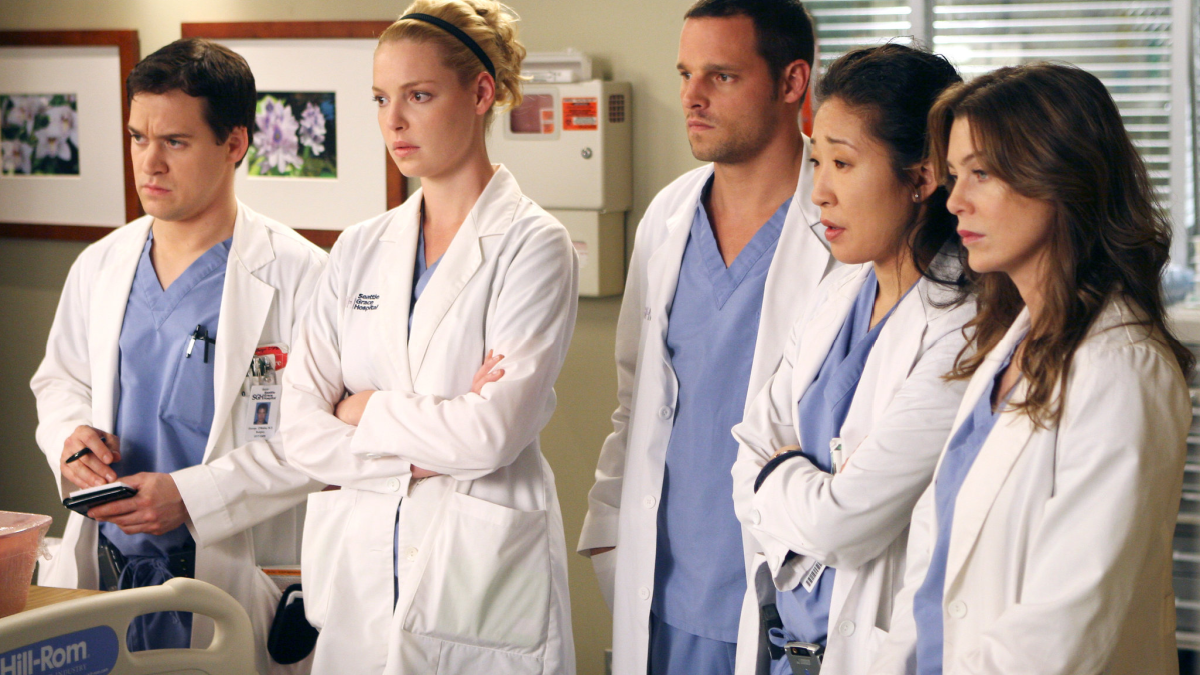
Which is part of what makes watching Grey’s Anatomy through sober eyes such an unusual experience.
Because once you’ve lived inside addiction psychology — either personally or alongside people who have — certain characters stop feeling fictional.
They start looking familiar.
The High-Functioning Addict
One of the most realistic portrayals of addiction in the series comes through the character of Richard Webber.
Richard is not written as reckless or chaotic. He is respected, disciplined, and deeply competent — the kind of person everyone else relies on to keep things running.
Which is precisely why the addiction works.
High-achieving professionals often develop extremely sophisticated denial strategies. When someone is capable, respected, and still performing at a high level, it becomes very easy — both internally and externally — to argue that nothing is actually wrong.
After all, everything still appears to be functioning.
Addiction in this form does not look like collapse.
It looks like control with hairline fractures running underneath.
Anyone who has spent time in recovery spaces recognizes this pattern immediately. Competence becomes camouflage. Authority becomes insulation. Success becomes justification.
Until the cracks widen.
And when they do, the fall often looks sudden to outsiders — even though it has been building quietly for years.
The Emotional Addict
Where Richard represents addiction wrapped in control, Amelia Shepherd represents something entirely different.
Intensity.
Amelia is brilliant, impulsive, emotionally flooded and frequently overwhelmed by the sheer force of her internal life. Her relationship with substances is not about celebration or indulgence.
It is about relief.
That distinction matters.
Many people still imagine addiction as thrill-seeking — chasing a high, rebelling against rules, indulging recklessness. But in reality, addiction is often an attempt at regulation. Substances become tools for quieting grief, numbing trauma, softening anxiety, or slowing a nervous system that feels permanently on edge.
Amelia lives in that territory.
Her decisions can look chaotic from the outside. But viewed through the lens of nervous system overwhelm, they make a different kind of sense.
She isn’t chasing excitement.
She’s trying to survive the volume of her own emotional world.
Early Recovery Is Not Known for Stability
Another unusual choice the show makes is refusing to treat recovery as a clean narrative arc. Characters relapse. They struggle. They make questionable decisions even after they know better.
Anyone who has spent time in recovery knows this rhythm well.
In my twenties, many of the women I dated looked a lot like some of the characters on the show — brilliant, intense, emotionally volcanic, living somewhere between chaos and reinvention. A surprising number of us got sober around the same time. We were all trying to build new lives with nervous systems that had been running on adrenaline and alcohol for years.
Early sobriety is not exactly known for calm decision-making.
One girlfriend was navigating early recovery while raising a child and trying to figure out who she was outside of survival mode. Another chapter of my life included behavior that only makes sense when you’re young and emotionally unregulated — like briefly convincing myself it was perfectly reasonable to follow a drummer across state lines.
At one point I sold nearly everything I owned and moved to Bangkok.
At another, I somehow found myself signing a nondisclosure agreement involving Sharon Stone — a sentence that still sounds like it belongs to someone else’s biography.
If that list sounds erratic, that’s because early recovery often is.
Sobriety does not instantly reorganize a nervous system that has spent years coping through substances. It removes the chemical anesthesia. What’s left is raw emotion, ambition, grief, identity confusion, and the strange freedom of suddenly being fully conscious inside your own life.
Which is why the messiness of characters like Amelia doesn’t strike me as bad writing.
It strikes me as familiar.
Recovery is rarely a neat upward line. It’s more like a series of experiments in how to live without destroying yourself — some of them wise, some of them questionable, all of them human.
Stress, Coping, and the Culture of Medicine
Hospitals are ecosystems built around pressure.
Long hours. Life-or-death decisions. Personal sacrifice. Emotional intensity. The constant expectation of competence.
It is exactly the kind of environment where coping strategies — healthy and unhealthy — become magnified.
Seen from that angle, Grey’s Anatomy sometimes reads less like a medical drama and more like a study in how human beings regulate themselves under stress.
Some characters cope through ambition.
Others through relationships.
Some through emotional shutdown.
And a few through substances.
For viewers in recovery, these patterns often feel less like plot devices and more like behavioral case studies.
Once you’ve lived inside that psychological terrain, you recognize it quickly.
Watching Through Sober Eyes
Sobriety changes perception.
Behavior that once looked ordinary suddenly becomes revealing. Emotional patterns become easier to spot. Coping strategies — both healthy and destructive — start to stand out.
Watching Grey’s Anatomy decades after getting sober created exactly that experience for me.
What many viewers experience as character drama, people in recovery often experience as nervous systems negotiating pressure — each person trying, in their own way, to manage stress, grief, ambition and identity.
Some strategies work.
Others don’t.
But almost all of them are recognizable.
And that recognition is what makes these characters feel real.
Coming Next in the Series
In Part 3, we’ll step back from individual characters and look at the larger cultural context behind the show.
When Grey’s Anatomy premiered in the early 2000s, conversations about addiction, trauma and mental health were just beginning to shift in public life. Over the years, the series quietly reflects those cultural changes.
Next: how the show mirrors evolving attitudes toward addiction, trauma and emotional resilience.
Looking for more shows to binge? The Mindful Binge – TV Reviews with Addiction or a Sober Twist
SPIRITUAL SUBSTANCE: I Got Sober in the 90s. Grey’s Anatomy Showed Up Much Later.
Learn More About Nervous System Regulation
If you’re interested in understanding how stress, coping, and nervous system regulation shape recovery and everyday life, you can learn more about my work.Explore resources or join the Calm Resilience System here:
https://lanekennedy.com/services

SPIRITUAL GANGSTER: at The Sober Curator is a haven for those embracing sobriety with a healthy dose of spiritual sass. This space invites you to dive into meditation, astrology, intentional living, philosophy, and personal reflection—all while keeping your feet (and your sobriety) firmly on the ground. Whether you’re exploring new spiritual practices or deepening an existing one, Spiritual Gangster offers inspiration, insight, and a community that blends mindful living with alcohol-free fun.

Resources Are Available
If you or someone you know is experiencing difficulties surrounding alcoholism, addiction, or mental illness, please reach out and ask for help. People everywhere can and want to help; you just have to know where to look. And continue to look until you find what works for you. Click here for a list of regional and national resources.

Follow The Sober Curator on LinkedIn
Why do addiction storylines in Grey’s Anatomy resonate with people in recovery?
Because the characters often display realistic psychological patterns — denial, relapse, emotional overwhelm, and the complicated process of rebuilding stability.
Is addiction common among high-achieving professionals?
Yes. Success and competence do not prevent addiction. In some cases they delay recognition because the individual continues to perform well professionally.
Why do some characters appear irrational or self-destructive?
Addiction and emotional dysregulation are often attempts to manage overwhelming internal states like grief, trauma, or chronic stress.
Does sobriety automatically stabilize someone’s emotional life?
No. Sobriety removes substances, but the nervous system still has to learn new ways to regulate stress and emotion.
Why might people in recovery interpret television characters differently?
Lived experience changes perception. Behaviors that appear dramatic to some viewers may resemble familiar coping patterns to those who have experienced addiction or recovery.


1 Comment
I loved this post,
[wpfgiphy giphyid=”Wc3xj2azMbOJQyp58a” title=”Greys Anatomy Doctor GIF by ABC Network” alt=”Greys Anatomy Doctor GIF by ABC Network” analclick=”https://giphy-analytics.giphy.com/v2/pingback_simple?analytics_response_payload=e%3DZXZlbnRfdHlwZT1HSUZfU0VBUkNIJmNpZD02YTYyMmMxMzQ4ZGZ5cHdyd3QzaGpudndwemd6N20waThlN2JiOW11cWNmZTdndzMmZ2lmX2lkPVdjM3hqMmF6TWJPSlF5cDU4YSZjdD1n&action_type=CLICK” analload=”https://giphy-analytics.giphy.com/v2/pingback_simple?analytics_response_payload=e%3DZXZlbnRfdHlwZT1HSUZfU0VBUkNIJmNpZD02YTYyMmMxMzQ4ZGZ5cHdyd3QzaGpudndwemd6N20waThlN2JiOW11cWNmZTdndzMmZ2lmX2lkPVdjM3hqMmF6TWJPSlF5cDU4YSZjdD1n&action_type=SEEN” analsent=”https://giphy-analytics.giphy.com/v2/pingback_simple?analytics_response_payload=e%3DZXZlbnRfdHlwZT1HSUZfU0VBUkNIJmNpZD02YTYyMmMxMzQ4ZGZ5cHdyd3QzaGpudndwemd6N20waThlN2JiOW11cWNmZTdndzMmZ2lmX2lkPVdjM3hqMmF6TWJPSlF5cDU4YSZjdD1n&action_type=SENT” src=”https://media3.giphy.com/media/v1.Y2lkPTZhNjIyYzEzNDhkZnlwd3J3dDNoam52d3B6Z3o3bTBpOGU3YmI5bXVxY2ZlN2d3MyZlcD12MV9naWZzX3NlYXJjaCZjdD1n/Wc3xj2azMbOJQyp58a/200w.gif” srcwidth=”200″ srcheight=”200″ still=”https://media3.giphy.com/media/v1.Y2lkPTZhNjIyYzEzNDhkZnlwd3J3dDNoam52d3B6Z3o3bTBpOGU3YmI5bXVxY2ZlN2d3MyZlcD12MV9naWZzX3NlYXJjaCZjdD1n/Wc3xj2azMbOJQyp58a/480w_s.jpg” stillwidth=”480″ stillheight=”480″ class=”wpf-gif-figure”]
Lane. And IDK if you will believe this or not, but I’ve NEVER watched ONE EPISODE of this show, and I LIVE IN SEATTLE! PLEASE DO NOT CANCEL ME. That may not be totally true. When I was running Seattle Met + Seattle Met Bride + Groom magazine, I negotiated product placement of magazines on 2-3 episodes (patients reading magazines in their hospital beds), and I may have watched those specific episodes just to see the mags on screen.