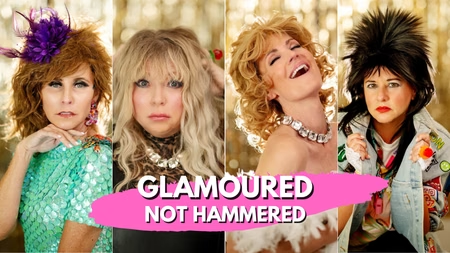
This past year, I fell completely in love with Nashville.
I know I was a little late to the party. The series ended years ago, but I found it at exactly the moment I needed it. I have been living in one of the most difficult periods of my own life, and watching Nashville became one of those strangely simple things that helped settle my nervous system. When my world felt unfamiliar and my capacity had changed dramatically, I could turn on an episode and disappear into the music, the city, and these beautifully complicated characters for an hour.
I watched the entire series. I didn’t casually dip in and out of it. I became invested. I wrote three pieces about Nashville, including a full review, because I couldn’t stop thinking about what the show was getting right about music, relationships, fame, ambition, addiction, and the very messy ways human beings try to survive themselves. (You can find those article links at the end of this one)
And then there was Juliette Barnes.
Hayden Panettiere’s portrayal of Juliette stopped me almost immediately because I recognized something in the way she played addiction. Juliette wasn’t simply a character who drank too much or used drugs. Hayden seemed to understand the internal mechanics of addiction: the denial, the isolation, the bravado, the shame, and the extraordinary ability to convince yourself that you are absolutely fine when your life is providing fairly compelling evidence to the contrary.
I knew that world long before I watched Nashville.
When I was first getting sober, I was in love with another alcoholic who was also a musician. She was famous at the time and remains known in her world today. I don’t need to tell her story here because it isn’t mine to tell, but loving her gave me an intimate view of the collision between extraordinary talent, addiction, chaos, and vulnerability. I understood what it was like to love someone who could command a room and still be completely lost inside herself.
So when I watched Juliette, I recognized more than addiction. I recognized the ecosystem around it, and how I lived.
I recognized the musician. I recognized the intensity. I recognized the relationships that become tangled up in the illness. I recognized the person who desperately wants to be loved and then makes it almost impossible for anyone to get close enough to help. I recognized how charisma and talent can disguise enormous amounts of pain.
And I remember thinking, more than once, that there was no way Hayden could understand this so precisely without knowing something about addiction herself.
Then I read her memoir, This Is Me: A Reckoning.
Suddenly, much of what I had been watching made sense.
Hayden wrote and spoke openly about her struggles with alcohol and drugs, postpartum depression, trauma, abusive relationships, treatment, recovery, and the devastating loss of her younger brother, Jansen. She also talked about how unnervingly close the Nashville storylines sometimes came to her own life. Juliette wasn’t Hayden, and we shouldn’t collapse an actor into a fictional character, but it became clear that Hayden understood some of the territory she was portraying from a place much deeper than observation.
That realization changed Nashville for me.
It also made the news of her death land differently.
I never knew Hayden Panettiere. I want to be very clear about that because celebrity can create a strange illusion of intimacy. We watch someone for hours, read their interviews, follow their life, and begin to feel that we know them. We don’t. But grief doesn’t always follow those rules.
I’d spent the better part of a year with Hayden’s work. I had watched every episode. I had written about the show. I had read her story and thought about the similarities between Juliette’s addiction and things I had witnessed and lived through myself. In a strange, completely one-sided way, I felt as though I had just gotten to know her.
And now she is no longer on the planet. That makes me incredibly sad.
It has also made me think again about something that has baffled me throughout my nearly three decades of sobriety: Why, when there is so much help available, is it sometimes so incredibly difficult for people with addiction to reach it?
There are treatment centers, meetings, therapists, physicians, recovery communities, sober living environments, medications, trauma programs, and millions of people who understand what addiction looks like from the inside. Resources today are things I couldn’t have imagined when I got sober in 1996.
Yet people continue to suffer alone.
I don’t think the answer is that people with addiction don’t want help. I think that explanation dramatically underestimates the illness.
Addiction has an extraordinary trick built into it: it can convince the person who is sick that they are not sick.
It can tell you that you’re fine. It can tell you that everyone else is overreacting. It can tell you that you can stop tomorrow, next week, after the holidays, or once life settles down. It can convince you that the substance causing the chaos is actually the thing helping you survive the chaos.
That is the insanity of it. I know insanity.
The longer I remain sober, the less interested I am in reducing addiction to alcohol or drugs. The substance matters enormously, of course, but underneath it is often an entire system built around escaping, soothing, surviving, avoiding, belonging, and trying to change how it feels to be inside your own body.
That is why isolation becomes so dangerous.
From the outside, we can look at someone and think: Why won’t she just get help?
From the inside, the question may feel completely different: Why would anyone be able to help me?
The person may have people who love them, money, treatment options, and every imaginable resource and still feel profoundly alone. They may have been to treatment before. They may understand recovery intellectually. They may genuinely want to stop and still return to the substance. They may even have periods when they are doing extraordinarily well.
Recovery is rarely the clean little arc we would like it to be. I understand that differently today than I did when I first got sober.
For years, I thought the great accomplishment was stopping. After nearly 30 years, I understand that stopping is where the work begins. Eventually, recovery becomes less about not picking up the drink and more about learning how to remain present when life becomes something you did not expect.
This past year taught me that in an entirely new way.
As my own life changed dramatically and I entered a period of collapse, some of the reference points I had relied upon for years disappeared. My body changed. My capacity changed. The future I had pictured didn’t look quite the same. I had to learn, again, how to stay inside a life that I could not immediately fix.
And I did it sober.
There is something profound about reaching a place after decades of recovery where you have no reference point for what “normal” is supposed to look like anymore and still deciding that you are going to keep walking.
That doesn’t make me exceptional. It makes me understand the stakes differently.
It also made watching Juliette Barnes last year much more personal than I realized at the time. Here I was trying to regulate my own nervous system by watching Nashville, while on the screen was a woman repeatedly trying to escape what it felt like to be inside herself.
The irony isn’t lost on me. One woman was sitting on the couch trying to stay. The other was showing me what it looked like to disappear.
Maybe that is part of why Hayden’s performance affected me so much. She did not give us the television version of addiction where somebody hits bottom, goes to treatment, discovers gratitude, and returns home with perfect boundaries and excellent lighting.
She gave us the mess.
Juliette could be loving and manipulative. She could be frightened and cruel. She could desperately want connection and then destroy it. She could know something was wrong and still insist that nothing was wrong. She could have a moment of clarity and then disappear right back into the illness.
Anyone who has lived with addiction knows that person. Some of us have been that person.
That is what I wish we talked about more when someone with a history of addiction dies. We become obsessed with the final event. What did they take? Were they using? Who was with them? Why didn’t somebody stop them? Why didn’t they get help?
Those questions can make us feel as though there must be a logical explanation for an illness that is often profoundly illogical.
I don’t know what happened inside Hayden in the end, and I don’t want to turn her death into a story that she can no longer correct. She was much more than her addiction. She was a child actor who grew up in public, a mother, a sister, a tremendously talented performer, and a woman who endured trauma, loss, and illness while trying repeatedly to find her way back to herself.
Her addiction was part of her story. It was not her entire story.
I want to remember that because I think recovery communities sometimes do the same thing the rest of the world does: we make the addiction the most interesting thing about the person.
It isn’t. The most interesting thing is the person who is still in there.
That is what I saw in Juliette Barnes. Underneath all of the drinking, using, lying, running, and spectacular self-destruction was a woman who desperately wanted to be okay. Hayden somehow made that visible without making Juliette pathetic or turning her into a cautionary tale.
She made her human. That is an enormous gift.
I don’t believe recovery means we stop encountering darkness. I think it means we develop a different relationship with darkness. We learn that we don’t necessarily have to fix it, outrun it, drink it away, or make it disappear before morning.
Sometimes we simply have to stay long enough for the light to change.
And maybe that is what I will remember when I think about Hayden Panettiere.
I will remember the woman who made Juliette Barnes feel so painfully real that I knew there had to be something underneath the performance. I will remember the book in which Hayden eventually told us how complicated that underneath really was. And I will remember that during one of the hardest years of my own life, without ever knowing it, she kept me company.
For that, I am grateful.

Lane Kennedy | Senior Contributor, The Sober Curator
Lane Kennedy has been sober since 1996 and is a Senior Contributor at The Sober Curator. She writes about sobriety, recovery, nervous system regulation, and what happens when life asks us to stay present instead of escape. For her work on stress, biology, and nervous system regulation, find her at LaneKennedy.com. She is also the creator of Sober in San Francisco, an intentional-living and travel project about discovering what becomes possible when alcohol stops getting first dibs on our time, attention, and experiences.

Curated list of reviews that include Hayden Panettiere
- PART ONE: Nashville Was Never Really About Country Music Read it here.
- PART TWO: Nashville Seasons 3 and 4 Reveal What Happens When Emotional Capacity Begins to Collapse Read it here.
- PART THREE: Nashville’s Final Seasons Were About Grief, Collapse, and Rebuilding a Life Read it here.
Our sober crew had a lot to say and a lot of feelings…and that’s exactly what this space at The Sober Curator is for. For a collective group of people with different lengths of sobriety, different pathways to sobriety, exploring real life events in real time.
- Quit Lit Book Reviews: “Famesick,” “We Did OK Kid” + “This Is Me,” Rated by Sober Readers
- Hayden Panettiere, Brad Pitt, and How We Talk About Recovery When the News Breaks
- Hayden Panettiere’s Legacy: Addiction, Postpartum Depression and Telling the Truth Anyway
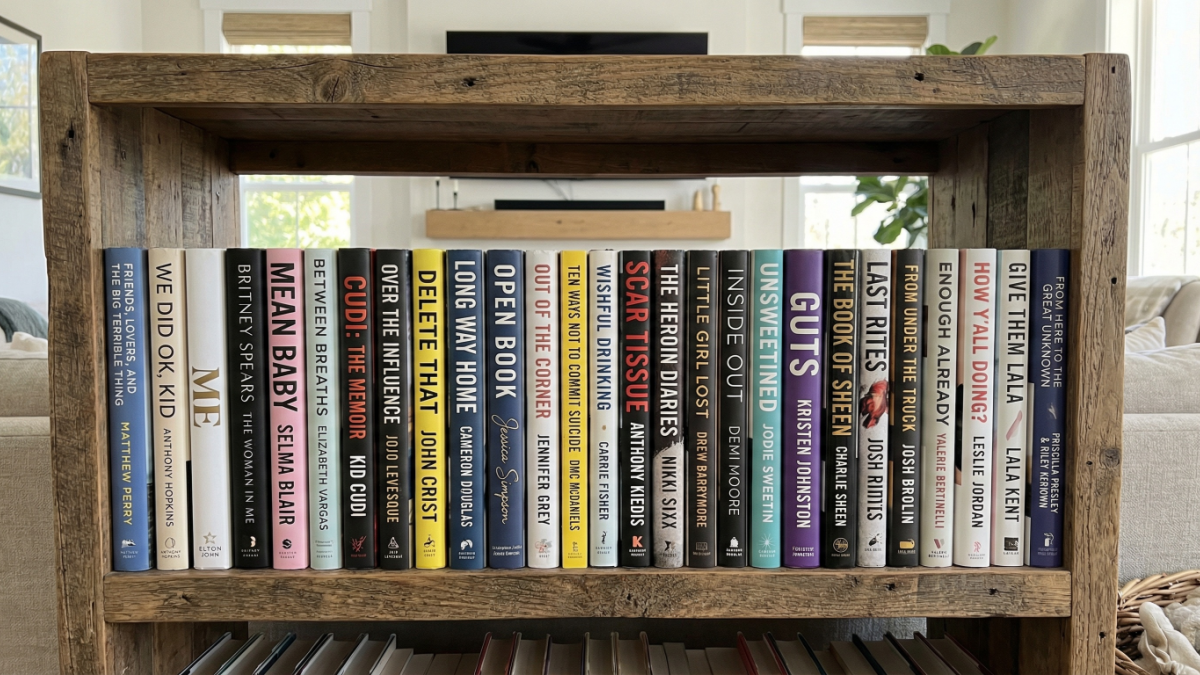
#QUITLIT: Sober Celebrity Memoirs Worth Reading – Books Written by People Who’ve Actually Been There

SOBER POP CULTURE at The Sober Curator is where mainstream trends meet the vibrant world of sobriety. We serve up a mix of movie, podcast, fashion, and book recommendations alongside alcohol-free cocktails, celebrity features, and pop culture buzz—all with a sober twist.
We’re here to shatter the “sobriety is boring” myth with a mash-up of 80s neon, 90s hip-hop edge, early 2000s bling, and today’s hottest trends. From celebrity shoutouts to red-carpet style inspo, this is where sober is as chic as it is fun. To the celebs using their platform for good—our Sober Pop Trucker hats are off to you!
You don’t need a sobriety date to be here.

Sober, sober-curious, “just taking a break,” California sober and questioning it… The Sober Sip doesn’t check IDs at the door.
If you want the culture without the lecture, get on the list. Free, three times a week.
Resources Are Available
If you or someone you know is experiencing difficulties surrounding alcoholism, addiction, or mental illness, please reach out and ask for help. People everywhere can and want to help; you just have to know where to look. And continue to look until you find what works for you. Click here for a list of regional and national resources.

Follow The Sober Curator on Pinterest
What can I learn from TV shows about addiction?
TV shows like Nashville can offer valuable insights into the complexities of addiction. They can depict the emotional struggles, denial, and isolation that often accompany addiction, providing viewers with a deeper understanding of these experiences. By watching characters navigate their addiction, viewers can feel less alone in their own journeys and may find motivation to seek help or continue their path to sobriety.
How does celebrity portrayal of addiction impact public perception?
Celebrity portrayals of addiction, like Hayden Panettiere’s in Nashville, can significantly impact public perception by humanizing the struggle. These portrayals highlight the internal battles and complex emotions involved, helping to reduce stigma and foster empathy. When celebrities share authentic stories, it can encourage individuals to seek help and promote broader acceptance of addiction as a multifaceted mental health issue.
Why is it important to recognize the signs of addiction?
Recognizing the signs of addiction is crucial for timely intervention and recovery. Signs like denial, isolation, and changes in behavior can indicate deeper issues that need addressing. Awareness allows individuals to seek help sooner and empowers loved ones to offer support. Early recognition can lead to more effective treatment and a better chance of long-term recovery.
Can watching shows about addiction aid in my recovery journey?
Watching shows about addiction can be beneficial to your recovery journey by providing relatable narratives and emotional insights. These shows can help you feel understood and less isolated in your experiences. However, it’s important to balance this with other recovery activities and seek professional support when needed. Always be mindful of how media consumption affects your emotions and triggers.
How can I support a loved one dealing with addiction?
Supporting a loved one with addiction involves patience, empathy, and understanding. Encourage open communication and listen without judgment. Offer to help them find professional support, such as counseling or support groups. Educate yourself about addiction and avoid enabling behaviors. Remember to take care of your own emotional health, as supporting someone with addiction can be challenging.
What steps can I take if I recognize addiction in myself?
If you recognize signs of addiction in yourself, consider reaching out for help from a professional, such as a therapist or addiction counselor. Joining support groups can provide community and understanding from those with similar experiences. Begin by acknowledging your feelings and seeking resources that align with your comfort level. Remember, seeking help is a courageous step toward recovery.