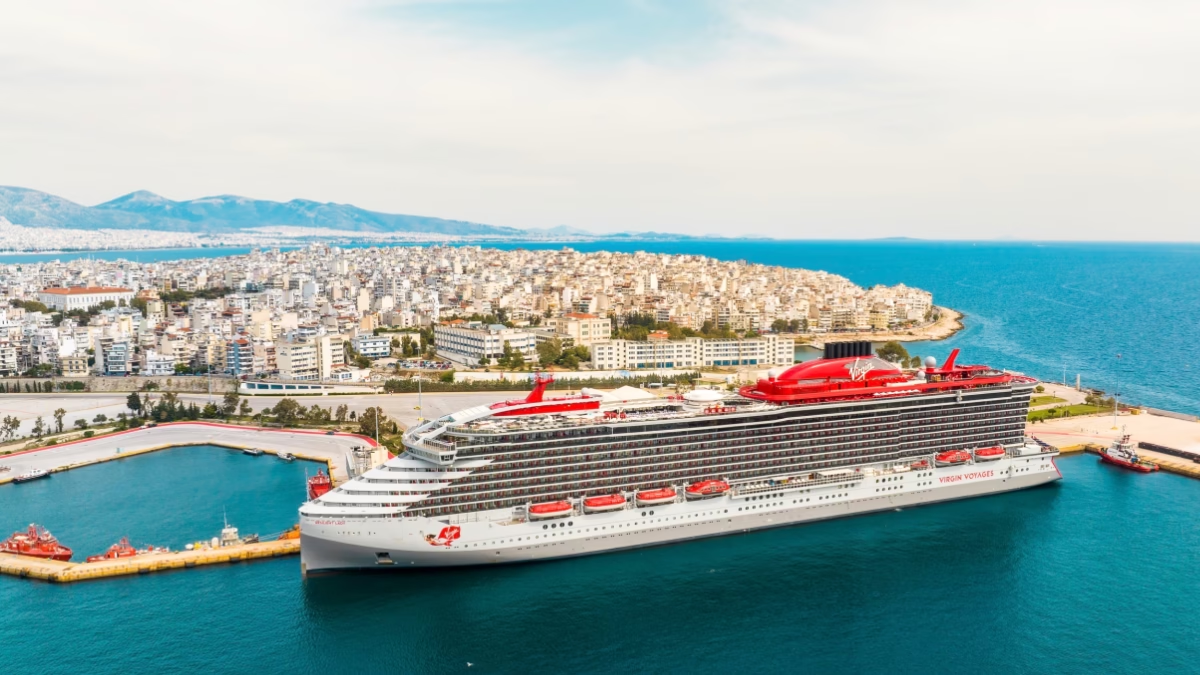
Five crossings in, I have a clear sense of why this slower way of traveling suits long-term sobriety better than almost anything else.
Before I get into it, a small piece of honesty. We are putting together a small group for a transatlantic crossing in May 2027, and part of my reason for writing this is to tell people about it. The rest of what follows is simply an account of what I’ve learned from multiple crossings and why I think they suit people in recovery better than almost any other kind of trip.
When I mention to friends that I’m booking another transatlantic cruise, I get the same response every time. A pause, then “how many days at sea is that?” followed by some version of “won’t you go mad with boredom?” I used to wonder the same thing myself. Several crossings later, I see it differently. For those of us with long-term sobriety, these trips can be some of the most rewarding travel there is.
What a Transatlantic Actually Is
Most transatlantic cruises are repositioning voyages, ships moving between Europe and the Caribbean with the seasons. That means more sea days, fewer ports, and often excellent value. A smaller number are built around the crossing itself rather than relocating a ship. Cunard’s Southampton to New York route is the best-known example.
Either way, the point is the same: several uninterrupted days at sea, which for the right traveler is exactly what you’re there for.
The Sea Changes Something
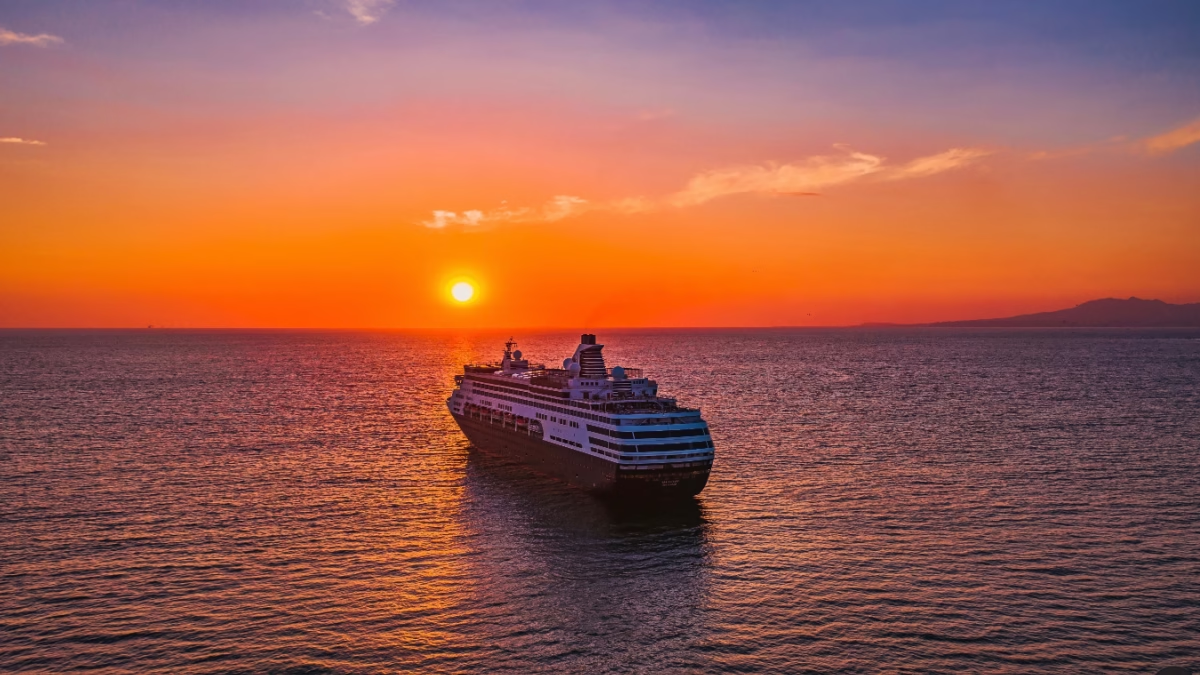
After two or three days with nothing on the horizon but water, something inside me settles. I couldn’t tell you exactly what causes it. Maybe it’s the absence of a phone signal, maybe it’s the size of the ocean, maybe it’s just the ship’s rhythm. Whatever it is, I sleep better and think more clearly than I do at home.
The mental noise I’ve spent years learning to manage gets quieter on its own. People often talk about this kind of stillness as something you have to work for. On a crossing, it just turns up. If you already meditate or practice mindfulness, it deepens the experience. If you don’t, you may find yourself experiencing the same sense of calm without trying.
You Settle Into a Routine, and It Holds
Eight to ten days at sea is long enough to build a proper rhythm. On my last solo crossing, my days looked much the same throughout. Up early for stretching and meditation classes, then coffee at the Friends of Bill W. meeting. Maybe a spin class and a quiet late morning with a book or time on deck. Lunch in the main dining room with a new friend.
Afternoons were board games, sometimes a nap, then dinner with other solo travelers and occasionally a show before an early night. By day four, it stopped feeling like a holiday and started feeling like an ordinary week, just at sea. For someone in recovery, that structure is grounding rather than dull.
The Drinking Culture Is There, but It Doesn’t Dominate
Cruise ships are not dry environments. Bars are everywhere, and the promotion of alcohol is hard to miss. That doesn’t change on a transatlantic cruise. What does change is the pace around it. On shorter cruises, particularly in the Caribbean, drinking can sometimes feel like a central activity from late morning onwards. On a transatlantic, it’s there if you want it, but it’s easier to sit outside of it without feeling like you’re opting out of the main event.
Everyone falls into their own routines. Some drink, many don’t, and most are too occupied with their own version of the day to pay much attention to what anyone else is doing. For me, that makes it a far more comfortable environment than I expected the first time I crossed.
By Day Five You Actually Belong Somewhere
This is what surprised me most. On a normal cruise, you are always slightly passing through. Pleasant encounters, then you move on. A transatlantic works differently because of the length of it. By day three, the maître d’ knows your name, and the barista nods and says ‘Hi Mark’ as you walk past. By day four, people are seeking each other out rather than just crossing paths. By the end, the goodbyes mean something.
Community isn’t optional for those of us in recovery. Finding it by accident, in the middle of the Atlantic, with people who share nothing but the journey itself, is a large part of why these trips stay with me.
The People You Actually Remember
On my last crossing, it started with a message asking if anyone fancied a board game. A few of us turned up, then did it again the next afternoon. By day three, no one needed to organize it. We just showed up.
We played most days for nearly two weeks. I learned about their families and their work; they learned a little about mine. My sobriety never came up, not because I hid it, but because there was no need to raise it. That mattered to me more than I expected.
By the last sea day, there was a real connection there, built on nothing more dramatic than showing up consistently, day after day. I haven’t spoken to any of them since, and that doesn’t diminish it. It felt finished, in the good sense. Compared with the brief friendships you make on a port-heavy itinerary, this was something else entirely. When there’s nowhere else to be, people tend to talk properly.
The Value Is Genuinely Good
The daily rate on a transatlantic is usually 60-65% of a peak season sailing, even once you account for a flight home. It’s also easy to spend very little once you’re aboard since almost everything is included.
Port days bring a steady stream of small spending decisions, excursions, taxis, coffees, and the little impulse purchases that seem to crop up every day. That adds a low-level pressure through the day. On a transatlantic, that pressure mostly disappears because the ship is the destination. After a couple of days, you stop thinking about money at all. For anyone who has had to rebuild their finances, that’s worth more than it sounds.
Fewer People, Fewer Ports, More Room to Breathe
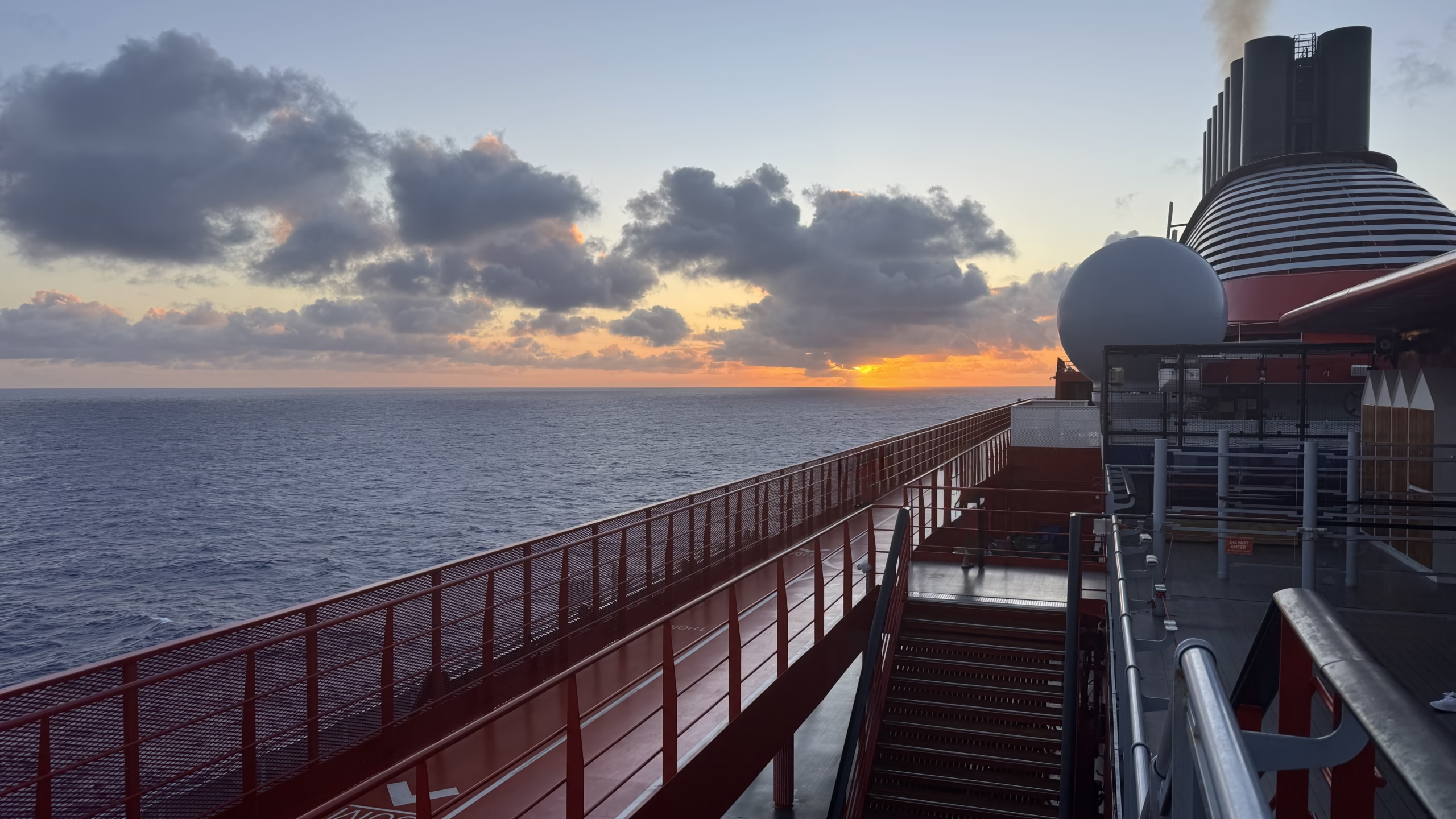
One of the unexpected pleasures of a transatlantic is the sense of space. Even as these crossings have become more popular, many repositioning voyages still feel noticeably less crowded than peak-season sailings. Restaurants are easier to get into, the pool deck isn’t a scrum, and the whole ship has a more relaxed, unhurried feel.
Port days are enjoyable, but they’re also tiring. You land somewhere new, work out how it functions, try to make the most of a few hours. There’s a real relief in knowing tomorrow is simply another sea day. Combined with a ship that isn’t full, it makes for a genuinely restful trip, and because most activities repeat over the crossing, there’s no sense of having to cram everything in on the one night it’s scheduled.
Final Thought
I’ve taken holidays that covered more ground and ticked more boxes. I’ve stood in front of the landmarks and taken the photos. Looking back, a lot of them felt rushed. A transatlantic crossing gives you something different, time to settle somewhere without any pressure to move on.
Time carries a different weight once you’re in recovery. Spending a good stretch of it somewhere that supports clarity and real connection isn’t a small thing.
I wouldn’t recommend a transatlantic as anyone’s first cruise. But for someone with more cruising experience behind them, particularly someone traveling sober, it’s close to the ideal trip.
Partly for that reason, we’re putting a small group together for a crossing in May 2027. We’ll leave Miami and arrive in Barcelona 14 nights later. On the way, we’ll visit Tenerife, Tangier, and Malaga. The idea is simple: a shared experience with like-minded people, a light structure for anyone who wants it, and plenty of space to enjoy the crossing at your own pace.
If any of this resonates with you, you’ll probably understand why the idea of making that crossing with others who feel the same way appeals to me. More details are here.
If you’d like to hear more about transatlantic cruising, we’ve also recorded a Sober Cruise Podcast episode on the subject.
Whether or not you ever join one of our crossings, I’d recommend experiencing a transatlantic at least once. You may discover, as I did, that the journey itself becomes the destination.
Mark Carlin is co-founder of The Sober Cruise and has completed five transatlantic crossings. He believes slower travel and long-term recovery make a remarkably good combination. Check out our Sober Cruising Guide, curated by Mark just for The Sober Curator audience.
SOBER TRAVEL – WHAT A TRIP! is The Sober Curator’s guide to exploring the world alcohol-free. From insider travel tips and honest destination reviews to our curated Sober Retreats Calendar, we help you plan trips that are fun, fulfilling, and booze-free. Whether your jet-setting overseas or planning a weekend getaway, our stories and resources prove that sober travel is anything but boring. Looking for a sober getaway? We’ve got your back with our Sober Retreat Calendar. Need a night out on the town? Check out our Sober Events Calendar.
🏝️ Submit a Sober Retreat Recovery-focused, wellness, spiritual, creative, and adventure retreats. Listings start free. Featured and Sponsored placements available for retreats that want full editorial coverage. Submit your retreat →

God, grant us the serenity to #ADDTOCART! Sober retail therapy is our favorite kind of workout—mindful, fun, and community-focused. In this section, you’ll discover unique sobriety gifts, premium recovery swag, and must-have merch we can’t stop raving about. We love featuring small businesses founded by people in recovery, sober creators, and brands that champion mental health and the sober lifestyle. From #QUITLIT reads to stylish glassware and meaningful recovery keepsakes, our curated picks make every purchase a celebration of sober living.
Shop our classic Sober Curator merch on SHOPTHESOBERCURATOR.COM for and explore our TSC Amazon Storefront featuring curated lists packed with gifts, books, and sober essentials.
🛍️ Submit a Product for Review NA beverages, sober-friendly tools, alcohol-free brands, and products built for the way our audience actually lives. Submit your product →
Resources Are Available
If you or someone you know is experiencing difficulties surrounding alcoholism, addiction, or mental illness, please reach out and ask for help. People everywhere can and want to help; you just have to know where to look. And continue to look until you find what works for you. Click here for a list of regional and national resources.

Follow The Sober Curator on Facebook
Why do transatlantic cruises suit people in recovery better than other types of trips?
Transatlantic cruises offer several uninterrupted days at sea, which promote a sense of calm and routine that can be grounding for those in recovery.
How does the sea environment contribute to a sense of calm and clarity?
After a few days at sea, the absence of distractions and the vastness of the ocean help quiet mental noise, leading to better sleep and clearer thinking.
Is there a risk of boredom during a transatlantic cruise?
While many initially worry about boredom, the structured daily routine and opportunities for social interaction and personal activities keep travelers engaged.
How prevalent is alcohol culture on transatlantic cruises?
While alcohol is available, the slower pace of a transatlantic cruise allows individuals to easily avoid it without feeling excluded from the main activities.
What makes the social experience on a transatlantic cruise unique?
The extended duration of the cruise fosters deeper connections with fellow travelers and staff, creating a sense of belonging by the end of the journey.