



I have a rule: The Sober Curator doesn’t cover rehabs.
NAWA made me look twice. Then it made me want to pack.
When the submission landed in my inbox for our Sober Retreats Calendar, I almost passed it along with the rest of the treatment center pitches I politely decline every week. But the branding was too good, the language was too careful, and something about it read differently. So I got on Zoom with the founder, a guy named Richard who lives in Bali and runs one of the bigger recovery communities on Instagram.
Here’s my verdict up front: NAWA is the most thoughtfully built sober retreat to cross my desk this year. And it’s one of the very few designed for people who already did the hard part.

A Retreat, Not a Rehab, and He Means It
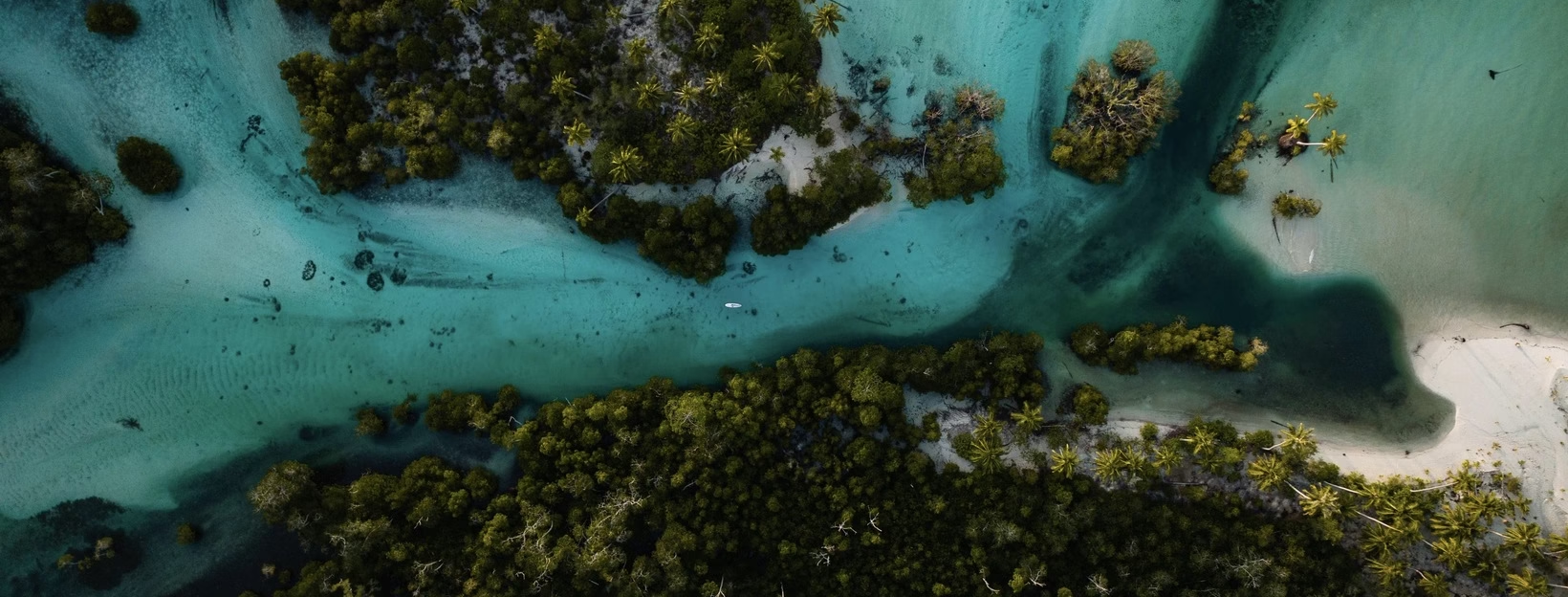
NAWA is a 28-day residential retreat on Awera Island, a speck of jungle and reef in Indonesia’s Mentawai Islands off the coast of West Sumatra. Four guests per cohort. That’s it. The founding cohort arrives in February 2027.
Richard is crystal clear about what this is not.
“It’s not a rehab, it’s a retreat,” he told me. “I take clinical decisions very seriously, and doing detoxes in a jungle is something I’m not willing to do.”
Smart man.
NAWA is for people who have already completed detox or are sitting on real sobriety time and need a reset. The premise: get out of the noise of Western life, let your nervous system finally come down from fight or flight, and use the island itself as the container for the deeper work.
Built by a Guy Who Watched the Wild West Up Close
Richard is coming up on 10 years sober. He’s lived in Bali for five years, built The Recovery Club on Instagram to 116,000 followers (at the time of publioshing), and spent years working inside residential rehabs.
What he saw there is the reason NAWA exists.
“The recovery circle here is great. Meetings, all of that,” he said. “But the rehabs here are like the Wild West. People don’t have the right licenses. I’ve worked in rehabs here, I’ve watched it happen, I’ve seen lives lost.”
He spent about a year helping one facility, then asked to see its detox documentation and health licenses. They couldn’t produce them. He walked out that day.
That story told me more about NAWA than any brochure could. It’s also exactly why I keep my rehab rule. I’m a one-woman band. I don’t have the bandwidth to background check every facility, and too many people in that space are not in the business of getting anyone well. Sadly, the film “Bodybrokers” is not an exaggeration of reality.
Richard built the thing I wish more of them were.
Twenty Years Sober and Still on the Guest List
My first question to Richard was half joke, half pitch: I have 20 years. Can I still come?
Yes. That’s the point.
When I got sober on May 1, 2006, there was nothing like this. We were on MySpace with Tom. Recovery was hush-hush, and the only content out there was aimed at the person in crisis. I found my sober peers late, and I came in already behind.
I started The Sober Curator because almost nothing spoke to a woman in long-term recovery who still has problems. Who still needs a break from life. Drinking just isn’t the problem anymore.
Richard gets that in his bones.
“I’m so much less behavioral and substance-focused in the way I work,” he said. Everybody has a way of soothing themselves through life. Grief, work, phones, whatever. “Mine was trying to kill me. Others’ maybe aren’t as fatal.”
And long-term sobriety is no force field. I can still burn it all down today for no reason. Richard nodded hard at that one. Sobriety is still the number one pillar of his life, too.
Twenty-eight days of silence on a remote island can stir up a lot, no matter how much time you have. That’s exactly why the clinical support is there.
Fifteen Residents, One Island, Nowhere to Hide
Let’s talk about remote.
Awera’s population is roughly 15 people. You can walk the whole island in half an hour. There’s one resort: Favela Mentawai, a lodge with a cult following among surfers worldwide, since the Mentawais are basically surfing’s holy land.

The owner was one of Richard’s clients. He’s now in recovery himself, and after 20 years running surf trips, he wanted to shift toward well-being. That’s how NAWA was born.
Getting there is part of the reset:
- Fly into Padang, Sumatra’s main airport
- Take a roughly three-hour fast ferry to the island
- A team member is with you the entire way, from airport pickup to arrival
But don’t picture a castaway situation. Every room is private, air-conditioned, and has a desk. Starlink Wi-Fi never goes down. If you have work or a family that needs you, you can still show up for both.
The resort could hold eight. Richard caps it at four so everyone has their own space.
Monkeys, Rainstorms and a 5 a.m. Sunrise
I asked the questions my readers would ask, so here are the answers.
- Weather: Hot, year-round. It never drops below about 86 degrees. In February, rain comes in dramatic bursts of a couple of hours, then the sky clears to blue.
- Daylight: Sunrise around 5 a.m., sunset around 6:30 p.m. Every day. That’s life near the equator.
- Wildlife: Nothing deadly. Monkeys on the neighboring island, the owner’s dogs, spectacular birds, and the jungle as your nightly sound machine.
Richard doesn’t want blue skies every day, either. Connecting with nature, rain or shine, is the whole idea.
Honestly? I’d take falling asleep to waves and jungle over another night of doomscrolling any day of the week.

What a Day Actually Looks Like
There’s structure, but it runs on island time. Here’s the weekly rhythm:
- A daily ocean activity (paddleboarding, snorkeling, your first surf lesson, or just sitting by the water)
- Small group sessions four times a week
- A daily one-on-one with Richard or a therapist
- Daily breathwork, meditation and a lot of writing
- Access to the resort’s gym and ice baths

Two things on the schedule genuinely moved me.
Once a week, the group boats over to a nonprofit school on a neighboring island to help teach local kids English. Richard found this whole corner of the world through volunteering there. When he told the kids he was from England, they said they’d never heard of it.
The group also visits a tribe on a nearby island that lives almost entirely off the land, hunting its own food and treating nature as sacred.
Richard first called them less fortunate, then caught himself. “I’d probably say these people are maybe more fortunate than us.”
He’s not wrong.
The Safety Net Under the Hammock
This is where NAWA earns my trust.
- Screening before the boat: Every guest gets a medical screening on the mainland. If the team doesn’t give the green light, that person doesn’t get on the ferry.
- No detox, period: If you need one, it happens before you arrive.
- The team: Richard on the island all month, a female peer support worker with long-term sobriety beside him, an Indonesian registered nurse on call, a Bali-based psychiatrist providing weekly oversight by video, and weekly therapy with your own therapist or theirs.
- No alternative medicine: I asked about THC and psychedelics. A flat no.
- 12-step friendly: There are no meetings on the island, but the team can arrange online meetings.
Richard also does a personal call with every guest before they commit and starts a group chat before arrival, so nobody walks into a surprise.
It doesn’t end on day 28, either. Every guest leaves with a reintegration plan and gets 60 days of aftercare check-ins back home.
Smart. The hardest part of any retreat is the flight back to real life.
Nine Points, One Compass
I had to ask about the name.
NAWA comes from an Indonesian philosophy built around the nine points of a compass. Richard’s concept is bringing all nine points of ourselves back together. Becoming whole again.
It matches the line on his website: not fixing what’s broken, returning to what’s whole.
That’s the most recovery thing I’ve ever heard a retreat say about itself.
Who Should Raise a Hand
NAWA is built for people with sobriety under their feet who want depth, not a detox. But a few other groups jumped out at me.
- Couples: They’re welcome, and the cohort can expand to five.
- Families: Addiction is a family disease. Imagine a family healing together on an island instead of in a waiting room.
- The burned out: Richard is already getting inquiries from people who don’t identify as addicts at all. Fair. Western civilization has completely lost the plot. Last week I watched my 80-year-old parents, two of the most grounded humans I know, reach for their phones at the dinner table. Everybody’s soothing something.
- Surfers: Mental health and addiction run deep in surf culture, and the Mentawais are their pilgrimage. Richard says big names in that world are already buzzing about this.
Richard believes it’s a first for this part of the world. From where I sit, I haven’t seen anything like it.
We get one shot on this planet. Spending 28 days of it figuring out what you actually want from the rest sounds like a pretty good use of time.
I’ll be checking back in with Richard after the founding cohort wraps to hear what worked, what didn’t, and what changes. Consider this part one.
NAWA at a Glance
| What | 28-day private sober retreat (not a rehab or detox) |
| Where | Awera Island, Mentawai Islands, Indonesia |
| Group size | Four guests (five with a couple) |
| Founding cohort | February 2027 |
| Who it’s for | People post-detox or in long-term sobriety; burnout |
| Founder | Richard, nearly 10 years sober, founder of The Recovery Club |
| Getting there | Fly to Padang, Sumatra; three-hour ferry, fully escorted |
| Contact | hello@nawarecovery.com |
Find NAWA on our Sober Retreats Calendar and start the conversation at nawarecovery.com.

SOBER TRAVEL – WHAT A TRIP! is The Sober Curator’s guide to exploring the world alcohol-free. From insider travel tips and honest destination reviews to our curated Sober Retreats Calendar, we help you plan trips that are fun, fulfilling, and booze-free. Whether your jet-setting overseas or planning a weekend getaway, our stories and resources prove that sober travel is anything but boring. Looking for a sober getaway? We’ve got your back with our Sober Retreat Calendar. Need a night out on the town? Check out our Sober Events Calendar.
We also recommend soberscribing to The Sober Sip for weekly and monthly travel + events updates. Have a life-changing sober trip to share? Send your tips and photos to thesobercurator@gmail.com—we’d love to feature your journey.
🏝️ Submit a Sober Retreat Recovery-focused, wellness, spiritual, creative, and adventure retreats. Listings start free. Featured and Sponsored placements available for retreats that want full editorial coverage. Submit your retreat →
SOBER LIFESTYLE: Sober lifestyle is about more than not drinking—it’s about how you actually live.
From fashion and identity to advice, creativity, relationships, sober dating ideas, and everyday routines, this page brings together The Sober Curator’s lifestyle coverage for people building a life that feels good without alcohol at the center.
Sometimes life gets really shitty. Resources are available. Please use them if you need them.
If you or someone you know is experiencing difficulties surrounding alcoholism, addiction, or mental illness, please reach out and ask for help. People everywhere can and want to help; you just have to know where to look. And continue to look until you find what works for you. Click here for a list of regional and national resources.
If your life or someone else’s is in imminent danger, please call 911. If you are in crisis and need immediate help, please call: 988.

Follow us on Instagram @thesobercurator
- What is NAWA Sober Retreats? A 28-day private sober retreat for four guests on Awera Island in Indonesia’s Mentawai Islands, founded by Rick of The Recovery Club.
- Is NAWA a rehab? No. NAWA does not offer detox. Guests must complete detox beforehand and pass a medical screening before traveling to the island.
- Who is NAWA for? People who have completed detox or are in long-term sobriety, plus people dealing with burnout. Couples are welcome.
- When is the first NAWA retreat? The founding cohort begins in February 2027.
- How do you get to NAWA? Fly into Padang, Sumatra, then take a roughly three-hour ferry. A team member escorts guests the entire way.
