The peak year for binge drinking among American high school seniors was 1983.
Sit with that for a second, fellow Gen Xers. While we were feathering our bangs and sneaking wine coolers, we were apparently setting a record that no generation since has touched. Teen drinking has been falling for four decades, and according to one of the country’s leading alcohol researchers, it is still falling.
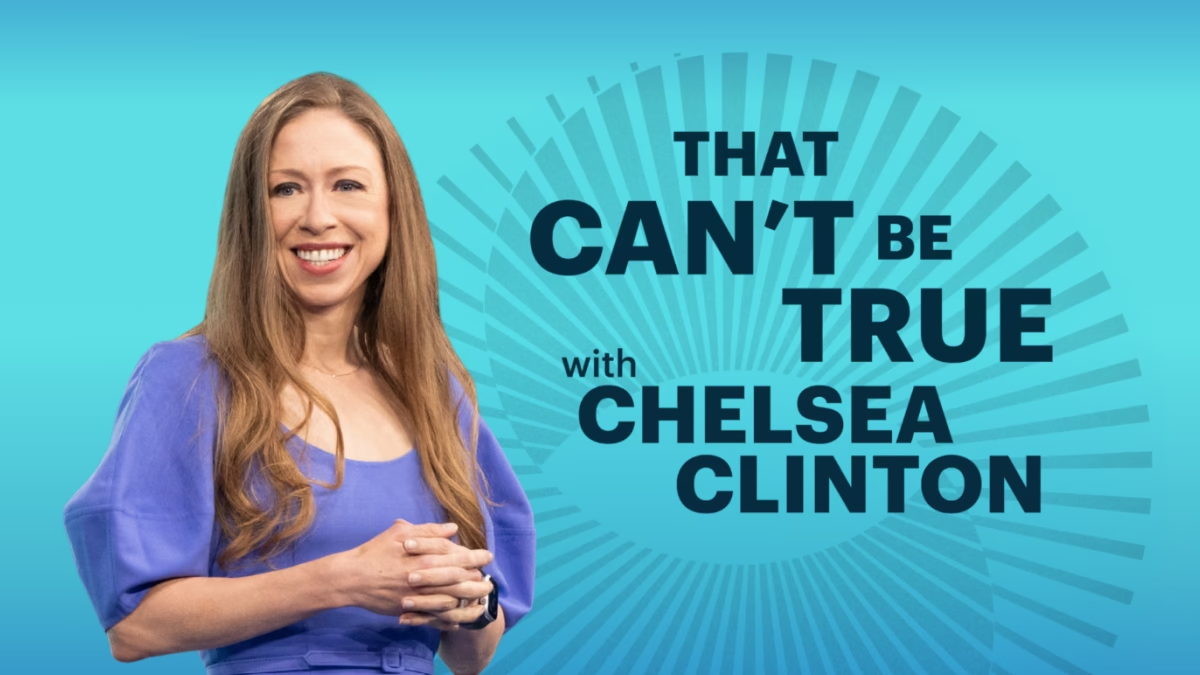
That stat comes from Dr. Katherine Keyes, professor of epidemiology at Columbia University, on a recent episode of That Can’t Be True with Chelsea Clinton, the Clinton Foundation’s weekly podcast dedicated to sorting health fact from health fiction. New episodes drop Thursdays, and this one belongs at the top of your queue.
The Details
Show: That Can’t Be True with Chelsea Clinton
Episode: Why Gen Z is Drinking Less and Millennial Women are Drinking More with Dr. Katherine Keyes
Host: Chelsea Clinton
Listen: Apple Podcasts, Spotify, Amazon Music, or clintonfoundation.org
Start With the Story You Could Not Make Up
Before the science, Clinton opens with the strangest line on Keyes’ resume: she was cited in last year’s Make America Healthy Again report for a paper she never wrote. Real coauthors she knew, a real journal she had published in, a study that did not exist. Keyes describes Googling herself on the subway wondering, did I write this?
She did not. The citation was apparently hallucinated, the report was quietly revised, and the federal government never contacted her. Her frustration is the best part: she does real research she would love to discuss with The Washington Post, and instead her phone blew up over a phantom study.
A podcast about health misinformation opening with a scientist who became a victim of it? Chef’s kiss.
Watch the Red Wine Myth Get Escorted Out
The heart of the episode is Keyes’ work on the Alcohol and Health Study, which modeled health risk drink by drink. Zero versus one. One versus two. Two versus three. For many outcomes, including liver damage, risk starts climbing at the low end of the continuum, not the high end.
Remember the J-shaped curve, the one that claimed moderate drinkers outlived nondrinkers and launched a thousand “red wine is heart healthy” headlines? Keyes explains it was largely confounding. People who sip one glass of red wine a day tend to be wealthier and exercise more. The wine was never the wellness plan. The Pilates and the money were.
Her bottom line: the dose makes the poison, and there is no good evidence anymore of a health benefit to drinking small amounts of alcohol. When Clinton runs the fact-or-fiction lightning round at the end and asks whether a daily glass of red wine can be good for your heart, Keyes needs exactly one word. Fiction.
Meet the One Group Still Drinking More
Here is where the episode gets uncomfortable in the most useful way. While drinking declines across nearly every age group, one demographic has been increasing consumption and binge drinking for 15 years: middle-aged women. And within that group, the increases concentrate among women with the highest education, income, and career status.
Keyes connects it to delayed marriage and delayed or skipped parenthood, plus discretionary income and fewer caretaking demands in the 20s and 30s. And her motivation data is the real gut punch. These women are not primarily drinking to cope. They report drinking to have fun and socialize.
Translation: the wine-mom-meets-girlboss marketing machine worked exactly as designed, on the exact women who could afford the tab. Some of us needed a few decades to read the fine print too.
Take the Good News With You
The episode is not all sobering statistics. Keyes confirms that the body starts repairing itself quickly after you reduce or stop drinking, across multiple systems. Her exact words: there is no time like the present to reduce alcohol consumption.
She also flags a bright spot she has waited 20 years to report: opioid overdoses posted their first major decline in two decades. Still far too high, but finally moving in the right direction, with safe and effective treatments more available than ever.
👉And parents, do not skip the youth mental health segment. Keyes argues the screen time panic misses the point. The research signal is not hours on the iPad. It is what kids encounter online: self-harm content, cyberbullying, sextortion. Her advice is media literacy and one repeated message at home: you can tell me anything.
The Sober Curator Verdict
This is what the sober curious movement looks like when it reaches the institutions. A Columbia epidemiologist and a former First Daughter spent 34 minutes calmly dismantling every myth this community has been pushing back on since before mocktails had their own menus. Keyes even name-checks the sober curious movement as a possible driver of the national decline in drinking.
Clinton is a warm, prepared host who asks the questions listeners are actually yelling at their earbuds, and Keyes answers in plain English without dumbing anything down. The fact-or-fiction lightning round is a smart format, and her honest “we don’t really know yet” on THC beverages versus alcohol is the kind of scientific humility we could use a lot more of.
Recovery Podcastland Sobees Score: 4.5 out of 5

Half a Sobee held back only because we wanted another 20 minutes. Add it to your podcast playlist rotation and send it to the friend who still quotes the red wine study at brunch or book club.
Keyes spent her career waiting to say the red wine study was fiction. Some of us already knew. We just didn’t have a Columbia epidemiologist to back us up. Now we do.
RECOVERY PODCASTLAND & NETWORK at The Sober Curator is your audio haven for all things sobriety and recovery. We’re your bee-zy sober podcast enthusiasts, curating the best shows that educate, inspire, and entertain in the alcohol-free space.
Our archives are neatly organized so you can easily explore Recovery Podcastland—featuring our favorite recovery-based podcasts from across the globe—and the TSC Podcast Network, where we share our own original shows on sober lifestyle, pop culture, travel, entertainment, and more.
Whether you’re seeking practical recovery tips, personal stories, or uplifting inspiration, this is your go-to listening guide. 🎧 Submit a Podcast for Review: Recovery Podcastland coverage and reviews. Shows that earn their place in our audience’s queue. Submit your podcast →

BIG IDEA. REAL STORY. NO CLUE WHERE TO START?
You’ve got ideas. Stories. Opinions. A perspective shaped by lived experience, recovery, and a deep understanding that the world needs more honest conversations. And yet, the podcast is still just an idea sitting in your Notes app.
If that sounds familiar, you’re in the right place.
We are holding space for people who have been dreaming about launching their own podcast but don’t know where to begin or how to do it without burning out, overspending, or losing momentum halfway through episode three. LEARN MORE HERE.
We know you’re a skimmer. We wrote a newsletter for skimmers.
Short intros. Quick hits. Headlines that tell you exactly what you’re getting. Read it in the school pickup line, on the treadmill, or while pretending to listen on a conference call.
The Sober Sip: three times a week, zero fluff.
Resources Are Available
If you or someone you know is experiencing difficulties surrounding alcoholism, addiction, or mental illness, please reach out and ask for help. People everywhere can and want to help; you just have to know where to look. And continue to look until you find what works for you. Click here for a list of regional and national resources.

Follow The Sober Curator on LinkedIn
Is a glass of red wine a day actually good for your heart?
No. On That Can’t Be True, Columbia epidemiologist Dr. Katherine Keyes calls the red wine heart-health claim fiction. The earlier studies suffered from confounding: moderate wine drinkers tended to be wealthier and healthier overall, and current research shows no protective benefit from low-level drinking.
Is Gen Z really drinking again?
Not according to the data. Keyes, who works on the Monitoring the Future study running since 1975, says youth alcohol use has declined for decades, with high school binge drinking peaking back in 1983. Recent “Gen Z is drinking again” headlines reflect more of the cohort reaching legal drinking age, not a reversal.
Who is drinking more in America?
Middle-aged women, specifically those with the highest education, income, and career status. Keyes’ research links the 15-year increase to delayed marriage and parenthood, more discretionary income, and drinking to socialize rather than to cope.