


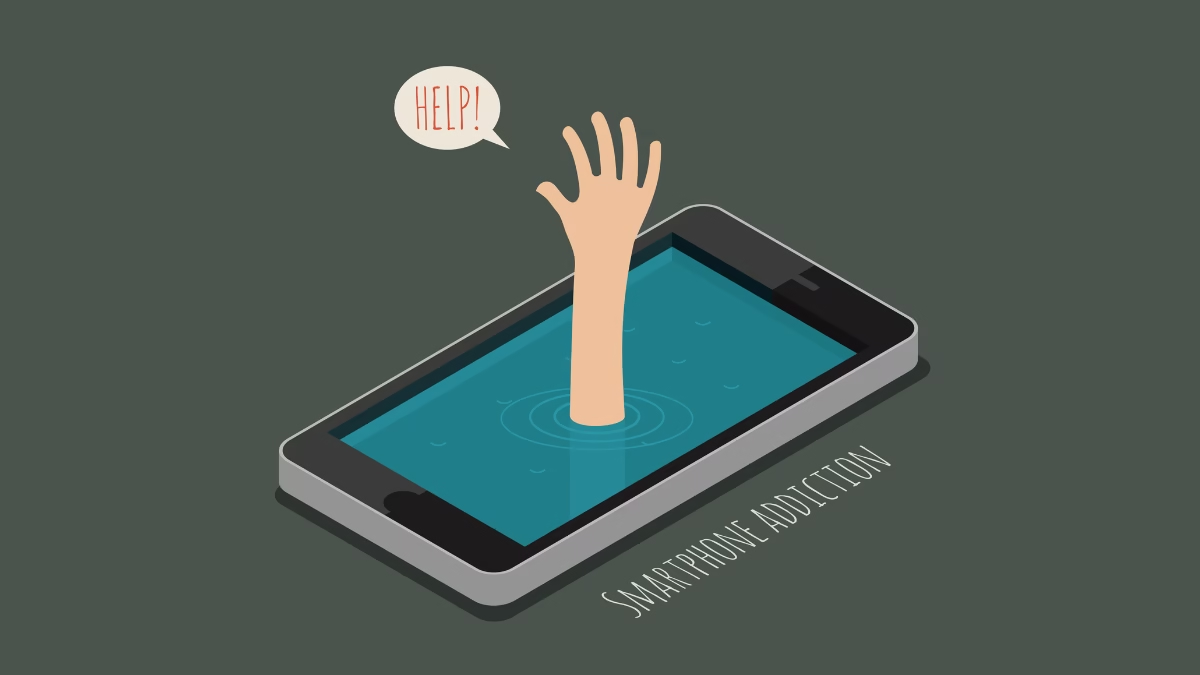

How many things do you need to be sober from? Is it ever enough? Can you ever truly abstain from everything that can be addictive?
I think when people think about sobriety, they often relate it to substances. Whether your drug of choice was a California red or Colombian whites, at their root, they likely did the same thing. They helped you numb the big feelings. They helped you avoid the hard stuff. They helped you not have to deal with all of the things from your past that made you the person you are today. Avoidance can feel much easier than confrontation. So, you deal with the chemical side of things, and then start working on the mental and emotional side of things. Through a program like AA or through individual therapy, you begin to take accountability and at least acknowledge the things you were struggling to face and own up to. Over time, and with support, things get easier.
Then, as life does, an occasional stressor comes your way. The inevitable “curveball” that fucks up your batting average. You feel that urge. You think it’s the urge to drink, but it’s the urge to avoid; to numb; to feel something other than the miserable feeling you have in front of you. For some, this is when you call a sponsor. For others, maybe it’s when you do a meditation or call a friend. For many, though, it’s when you reach for something else: your phone.
Developing healthy coping strategies is imperative for long-term sobriety. What we can often forget, though, is that those coping mechanisms are like a muscle. They need to be acknowledged, flexed, and built up, otherwise they tend to atrophy. When your mindfulness becomes slightly less mindful, we are doomed to fill that void with something else. Unfortunately, we now live in a world where something else is everywhere. Add in the normalization of smartphone use, and you likely don’t even see anything wrong.
Folks who have quit drinking know all too well the terrible role of normalization in trying to quit something. Drinking alcohol is so normalized that if you don’t drink, you are the odd man out; the outsider. The same goes for phone use. This could be social media, news apps, gaming, gambling — the list goes on. All of the options you have on this computer in your hand are little dopamine deliverers that can be just as addicting as drugs and alcohol on a neurochemical level. However, if you’re the only one not on your phone at the concert or the restaurant, you’re the odd man out. That social pressure by itself can make you pull it out, too!
The trick to all of it is recognizing when you’re doing it and why. Are you doom-scrolling Instagram at certain times? Do you struggle with quiet or being alone and find yourself reaching for your phone? If your phone has become your new coping mechanism now that you’re sober (early or long-term), how do you become sober from your phone? Do you need to? Being gentle and compassionate with yourself and just making an observation of when you’re turning to your phone for distraction or entertainment or numbing is the first step in setting some much-needed boundaries.
So the new question becomes the old question: How do you hold yourself accountable when no one else will?

The Sober Curator’s MENTAL HEALTH + WELLNESS section is your go-to guide for nurturing emotional well-being—especially for those in recovery. Explore resources, expert insights, and personal stories that connect the dots between mental health, sobriety, and self-care. From managing anxiety and depression to building mindfulness and emotional resilience, we provide practical tools and inspiration to help you thrive alcohol-free. By fostering open, stigma-free conversations, we empower our community to make emotional wellness a cornerstone of long-term recovery.
Dedicated columns on this TSC channel:
- Break Free Foundation – Scholarships & Support for Recovery with Sober Curator Contributor Alexandra Nyman
- Codependency – Insights & Recovery with Sober Curator Contributor Dr. Sarah Michaud
- Mastering Mental Fitness with Sober Curator Contributor James Gwinnett
- Mental Health – Emotional Wellness in Recovery
- Relationships – Love, Connection & Boundaries in Sobriety
- Sober Not Subtle with Sober Curator Contributor Jason Mayo
- Sober Poetry – Recovery in Verse
- Speak Out! Speak Loud! – Stories & Creative Expression in Recovery
- Spiritual Substance – Mindfulness, Science & Soul with Senior Sober Curator Contributor Lane Kennedy
- Wellness As A Way of Life – Sustainable Health for Powerful Women with Senior Sober Curator Contributor Megan Swan
Welcome to HAPPY EVERY HOUR, your go-to hub for all things NA (non-alcoholic). We review alcohol-free beers, ciders, wines, spirits, RTDs (ready-to-drink), and share NA cocktail recipes that taste just as good—if not better—than the boozy originals. Whether you’re sober, sober-curious, or just taking a break, this is where great taste meets zero proof.
TRIGGER WARNING: People in early sobriety may want to proceed with caution. Always read labels. Please hydrate responsibly … #becausedrunkneverlooksgood.
🛍️ Submit a Product for Review NA beverages, sober-friendly tools, alcohol-free brands, and products built for the way our audience actually lives. Submit your product →

Recovery is hard 24/7, 365 – Please know that resources are available
If you or someone you know is experiencing difficulties surrounding alcoholism, addiction, or mental illness, please reach out and ask for help. People everywhere can and want to help; you just have to know where to look. And continue to look until you find what works for you. Click here for a list of regional and national resources. If your life or someone else’s is in imminent danger, please call 911. If you are in crisis and need immediate help, please call: 988.

Follow The Sober Curator on LinkedIn
What does modern sobriety mean beyond just quitting alcohol?
Modern sobriety involves addressing all forms of avoidance and numbing behaviors, not just substances. This includes recognizing how smartphones, social media, and other digital distractions can become unhealthy coping mechanisms that replace alcohol. True sobriety means developing healthy ways to face difficult emotions rather than avoiding them through any substance or behavior.
How can smartphones become a problem in alcohol recovery?
Smartphones can become a substitute addiction in recovery because they offer the same avoidance and numbing that alcohol once provided. When stress hits, reaching for your phone instead of using healthy coping strategies like calling a sponsor or meditating can undermine your recovery progress. The constant availability and social normalization of phone use makes this particularly challenging to recognize.
Why do I still want to avoid difficult feelings after quitting drinking?
The urge to avoid difficult emotions doesn’t disappear when you quit drinking—alcohol was just the tool you used for avoidance. Your brain still seeks ways to numb or escape uncomfortable feelings. This is why developing and consistently practicing healthy coping mechanisms through therapy, support groups, or other recovery programs is essential for long-term sobriety success.
What are healthy coping strategies for sobriety stress?
Effective coping strategies include calling a sponsor or trusted friend, practicing meditation or mindfulness, engaging in physical exercise, journaling, or attending support group meetings. These skills need regular practice to stay strong—like muscles, they atrophy without use. Having multiple strategies ready helps you respond to stress without turning to substances or unhealthy behaviors.
Can you be addicted to multiple things while sober from alcohol?
Yes, it’s common for people in recovery to develop dependencies on other substances or behaviors like food, shopping, work, or technology. This happens because the underlying need to avoid difficult emotions remains. Comprehensive recovery addresses these patterns of avoidance, not just the specific substance. Professional support can help identify and address multiple addictive behaviors.
How do I know if my phone use is affecting my sobriety?
Warning signs include reaching for your phone during stressful moments instead of using recovery tools, spending hours scrolling to avoid feelings, neglecting relationships or responsibilities, or feeling anxious without your device. If your phone has become your primary way to cope with difficult emotions, it may be undermining the emotional growth essential to sustainable recovery.
