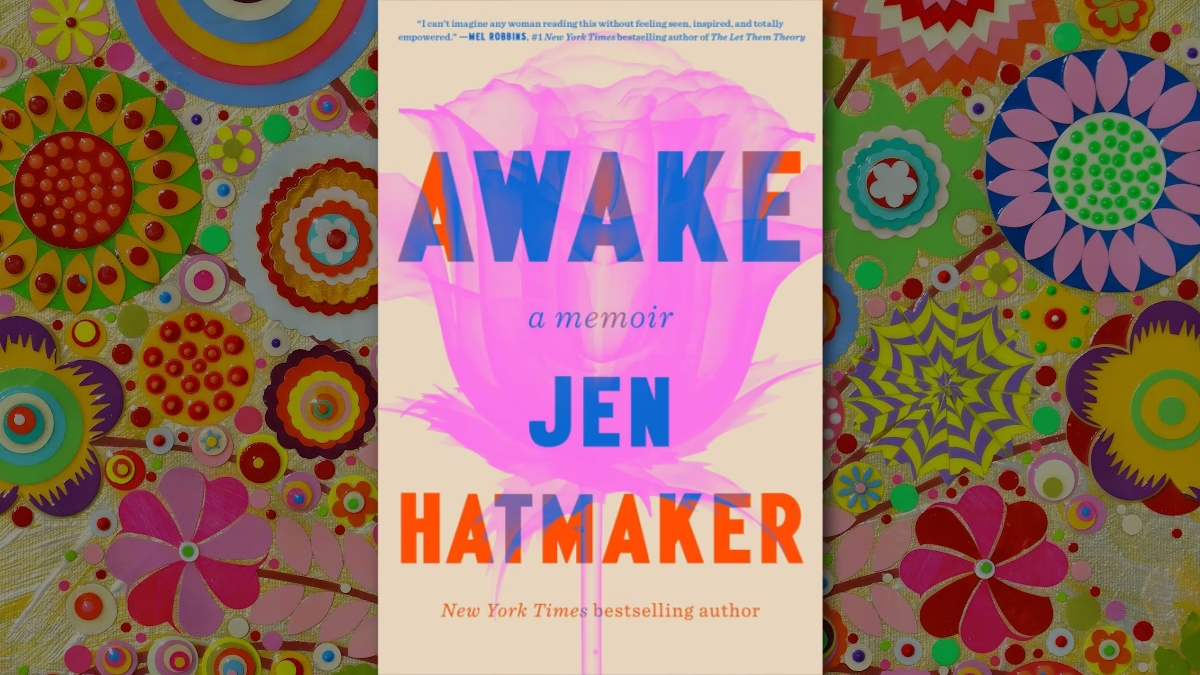
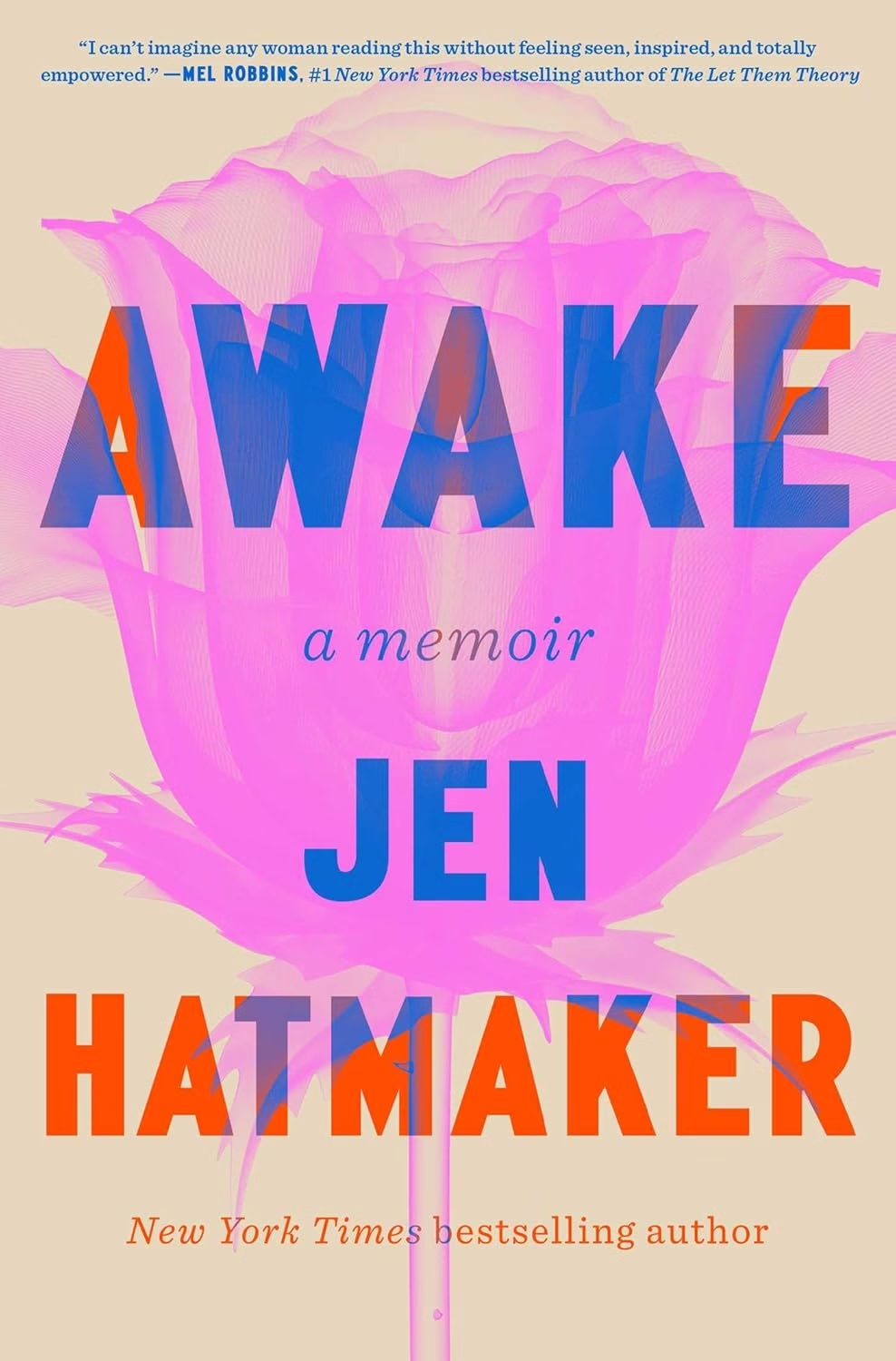
Jen Hatmaker’s “Awake” lands like a spiritual defibrillator, jolting readers out of the autopilot haze we Gen Xers perfected somewhere between cassette tapes and carpool spreadsheets. Most of us in recovery have a very low tolerance for BS, and we cannot stand a prim and proper story of politely curated etiquette, and sober brothers and sisters: this one is for us. Hatmaker invites the reader to lay down the polished performance and pick up something truer, messier, and infinitely more human, kicking the door open on spiritual sleepwalking, nudging readers toward something braver and more awake—without once pretending the journey is linear, tidy, or Instagram-ready. Just the way we like it, sober friends.
Hatmaker’s storytelling feels like sitting cross-legged on the floor of your childhood bedroom, surrounded by Trapper Keepers, peeling back layers of who you were before the world’s expectations stuck to you like school-picture-day hairspray. She threads vulnerability with humor—the kind that feels like a wink from across the room—making complex emotional excavation feel strangely manageable. And for those of us who were also blessed with a healthy side dish of 1990s spiritual trauma, while she never shies away from calling out harm done in the name of religion, she does it with the dexterity of someone who’s read every Choose Your Own Adventure book and finally knows which ending leads to actual freedom. Yes…welcome, Jen. Come on in. The water’s fine.
Her writing lands with that familiar Hatmaker warmth but also carries the gravity of someone who has walked through fire and come out smelling like what we know as singed hope. She invites us back to ourselves the same way many of us were invited into recovery: gently, persistently, and with more humor than the topic should allow. (Hatmaker keeps deconstruction, middle-aged awakening, and spiritual agency spinning in the same blender, landing the whole thing with punchlines that feel like they wandered out of a late-night rerun of Friends*.)*
For Gen X readers—those of us raised on latchkey living and emotional duct tape—Hatmaker’s reflections feel like flipping open an old Pee-Chee folder and finding the version of yourself that was scribbled on the pockets before life became all alarm clocks and expectations. She writes with that rare balance of tenderness and directness, offering an emotional recalibration without demanding perfection.
Particularly compelling is the powerful description of Hatmaker’s first panic attack. She doesn’t dramatize it, sugarcoat it, or try to turn it into a sermon—she just tells it like someone who got blindsided by her own nervous system during a season already held together with fraying spiritual duct tape. The way she describes her body throwing up a full-blown “system error” amid the chaos feels instantly recognizable to anyone in recovery or healing work. It’s like your trauma taps you on the shoulder and says, “Hi, it’s me, the stuff you thought you outran in ’98.” Hatmaker treats the moment with honesty, dignity, and zero shame—a reminder that breakdowns often arrive right on time, even when everything else is on fire.
For those who have been betrayed, I guarantee you’ll feel seen and understood. You will resonate with her words and most likely be unable to keep a dry eye, but by the last page, you will find she has gently placed the sweetest Band-Aid on your fragile heart.
And for those in recovery, “Awake” is especially resonant. Hatmaker captures the strange courage of rebuilding—the awkward, tender, over-caffeinated process of waking up to who you actually are after years of living by someone else’s script. She describes spiritual awakening with the same raw familiarity many of us use to describe early sobriety: the bright, overwhelming colors of reality returning, the discomfort of feeling everything again, and the gentle hope that maybe—just maybe—you’re finally coming home to yourself.
What ultimately makes “Awake” land is that Hatmaker doesn’t hand you a map or pretend she cracked some cosmic code—she just plunks down next to you and spills the straight-talking tea like Crystal Pepsi on a metaphorical shag carpet of midlife.
What makes “Awake” resonate particularly for those of us in long-term sobriety is Hatmaker’s honest grappling with rebuilding identity. She writes about waking up spiritually the same way many in recovery describe waking up sober for the first time: blinking into a brand-new world where colors are too bright, feelings are too loud, and yet—holy smokes—life is suddenly yours again. It’s an emotional Polaroid of what it means to reclaim your agency after years of playing by someone else’s script.
Through relatable humor and deep reflection, Hatmaker reminds readers that liberation is not a single moment but a rhythmic, ongoing unfolding—a bit like the ’90s CD players that skipped every time you hit a speed bump. Progress, not perfection, even when the soundtrack stutters.
“Awake” is an empowering, heart-cracking, truth-telling companion for anyone untangling the knots of faith, identity, betrayal, or expectation. It affirms that midlife reinvention isn’t a crisis—it’s the plot twist. And as any Gen Xer knows, we’ve been training for plot twists our whole lives.
#QUILIT Sobees Score: 4.5 out of 5


TSC LIBRARY: Welcome to The Sober Curator Library! This isn’t your average stack of books—we’re talking full-on story immersion, Audible binges, and reviews with personality. Browse our four go-to genres: #QUITLIT, Addiction Fiction, Self-Help, and NA Recipe Books. And if you’re collecting recovery reads like rare trading cards, check out our Amazon #QUITLIT list—Early Sobriety Survival: Books for Your First 90 Days. Grab your backpack, book nerd.
SPIRITUAL GANGSTER: at The Sober Curator is a haven for those embracing sobriety with a healthy dose of spiritual sass. This space invites you to dive into meditation, astrology, intentional living, philosophy, and personal reflection—all while keeping your feet (and your sobriety) firmly on the ground. Whether you’re exploring new spiritual practices or deepening an existing one, Spiritual Gangster offers inspiration, insight, and a community that blends mindful living with alcohol-free fun.
Resources Are Available
If you or someone you know is experiencing difficulties surrounding alcoholism, addiction, or mental illness, please reach out and ask for help. People everywhere can and want to help; you just have to know where to look. And continue to look until you find what works for you. Click here for a list of regional and national resources.

Follow The Sober Curator on Instagram
1. What is Awake by Jen Hatmaker about?
Awake is a candid memoir in which Jen Hatmaker reflects on the end of her 26-year marriage, deconstruction of faith, grief, identity, and the process of rebuilding life with honesty and resilience.
2. Who is Jen Hatmaker?
Jen Hatmaker is a bestselling author, speaker, and podcast host known for her work on faith, community, and authenticity. Awake follows her personal transformation after profound upheaval in her life.
3. Is Awake a self-help book or a memoir?
Awake is a memoir — a narrative of Hatmaker’s lived experience. It’s not a prescriptive self-help manual, but it offers insight and reflection that many readers find empowering.
4. What themes are explored in Awake?
Key themes include heartbreak and recovery, faith deconstruction, identity rebirth, grief and loss, emotional vulnerability, cultural expectations, and spiritual awakening.
5. Why is Awake called a wake-up call?
The title Awake reflects both the literal moment when Hatmaker discovered her marriage was ending and the metaphorical awakening to life beyond expectation, cultural norms, and internalized fears — encouraging readers to question their own narratives.
6. Is Awake suitable for readers in recovery or healing journeys?
Yes. While not centered on substance recovery, Awake resonates with readers navigating emotional healing, identity shifts, and life transitions. Its honest storytelling offers validation and connection.
7. Does Awake discuss faith and religion?
Yes. The memoir explores Hatmaker’s changing relationship with organized religion and belief systems, including how patriarchal structures and purity culture influenced her life and marriage.
8. Who might enjoy this book besides memoir readers?
Readers interested in spirituality, midlife transformation, faith deconstruction, grief literature, and emotional reinvention will find Awake compelling and relatable.
9. What makes Awake different from other memoirs?
Awake blends humor with deep emotional honesty, exploring not just loss and heartbreak but the broader cultural and personal narratives that shape identity and resilience.
10. Where can I find Awake by Jen Hatmaker?
The book is available through major booksellers, independent bookstores, and online retailers in hardcover, ebook, and audiobook formats.