There are love stories we recognize before we’ve even lived them.
The troubled man. The woman who sees who he really is underneath it all. The chaos. The devotion. The belief that if the love is big enough, loyal enough, patient enough, it might eventually save him.
Women have been handed this story forever.
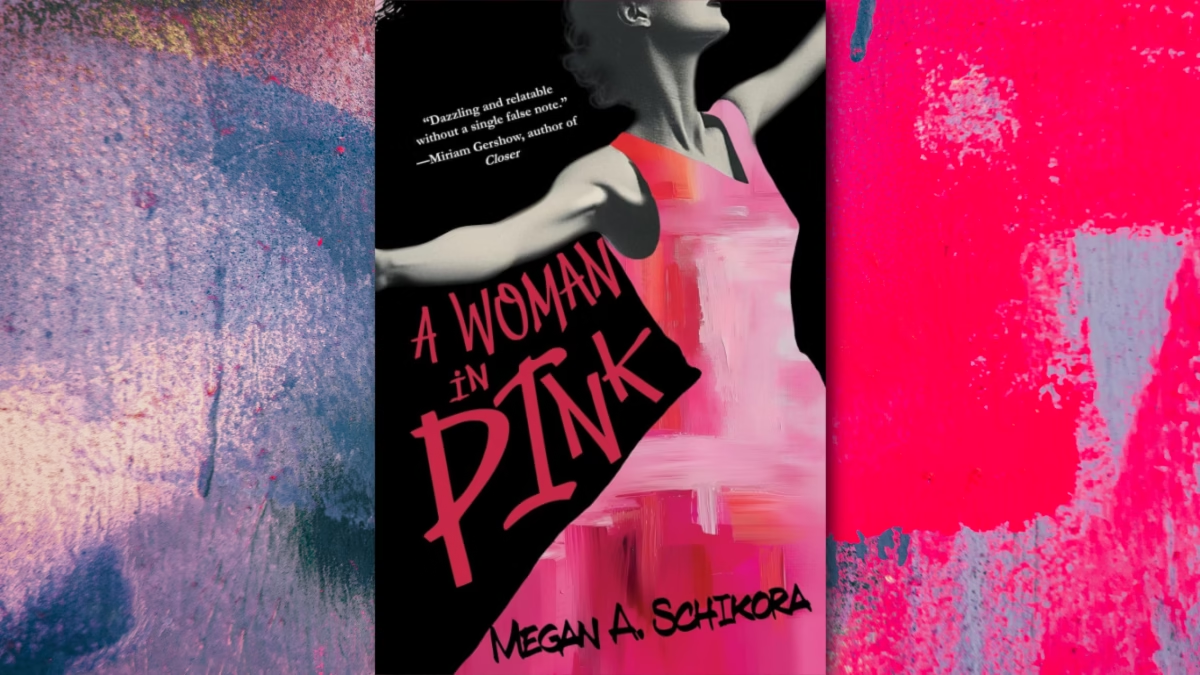
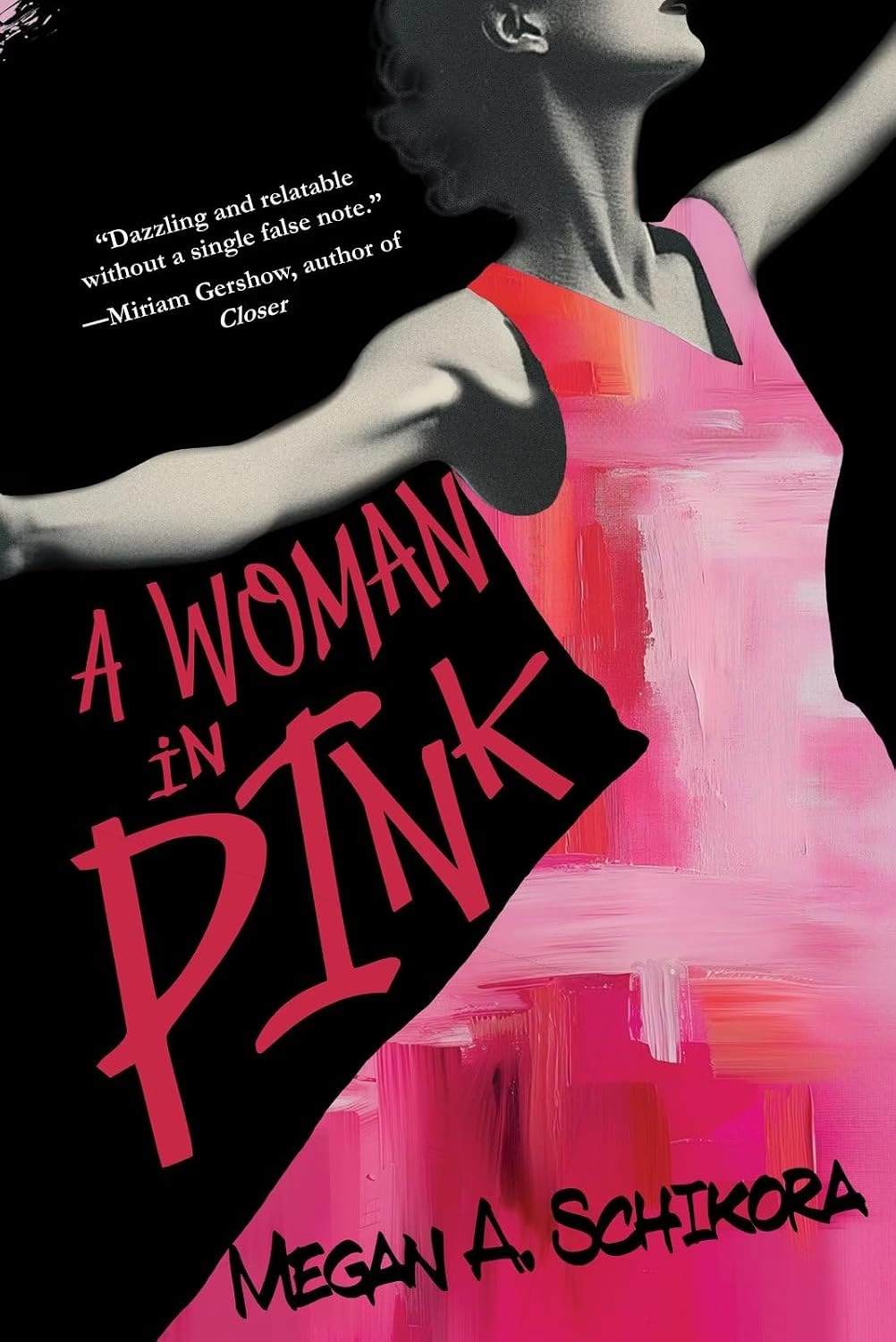
Megan A. Schikora’s A Woman in Pink asks what happens to the woman while she is busy living it.
The novel follows an unnamed narrator through fifteen years of loving Dutch, a man whose substance-fueled past is supposedly behind him when they meet. She has a recovery history of her own, having lived with an eating disorder, and the two begin their relationship believing the hardest parts are in the past.
They aren’t.
The narrator imagines their relationship through Johnny Cash and June Carter. Dutch is her Johnny. She is his June. It’s romantic and familiar, and maybe that’s exactly the problem. We already know how this story is supposed to go. The troubled man finds the woman whose love helps lead him home.
But A Woman in Pink is far more interesting when we consider what that story asks of June.
As Dutch’s addiction creates increasing chaos, the narrator keeps trying to reconcile the man she loves with the life she is actually living. Schikora understands something important about loving someone in active addiction: choices that seem obvious when we are standing outside a relationship can be painfully difficult to see from inside it.
I found myself thinking less about why she stayed and more about what made staying continue to make sense.
Love can make sense of almost anything if we ask it to.
And when we’ve been handed stories that equate great love with sacrifice, endurance, suffering, loyalty, and saving someone from themselves, it can become frighteningly easy to call our own disappearance devotion.
One line from the book captures the cost with devastating simplicity:
“He was lost to me. I was lost to me.”
That second sentence is the one that landed hard.
Addiction rarely confines itself to the person using. It rearranges relationships. Other people’s lives begin bending around it. Plans change. Boundaries move. Promises are reconsidered. Hope gets extended one more time.
And somewhere in all of that, love can quietly become self-abandonment.
That’s what made A Woman in Pink such an interesting recovery novel for me. I kept coming back to the question of what we owe the people we love and what we begin to lose when another person’s healing becomes more important to us than our own wholeness.
The Johnny-and-June mythology makes that question even more interesting. Maybe the great love story isn’t always the woman who stays long enough to save him.
Maybe sometimes the love story is the woman who finally refuses to lose herself.
A Woman in Pink is tender, painful, frustrating in the ways real relationships are frustrating, and deeply interested in the complicated territory between loving another person and remaining your own.
For anyone whose recovery has included learning that love does not require self-erasure, this one is worth picking up.
Addiction Fiction Sobees Score: 4.5 out of 5

TSC LIBRARY: Welcome to The Sober Curator Library! This isn’t your average stack of books—we’re talking full-on story immersion, Audible binges, and reviews with personality. Browse our four go-to genres: #QUITLIT, Addiction Fiction, Self-Help, and NA Recipe Books. And if you’re collecting recovery reads like rare trading cards, check out our Amazon #QUITLIT list—Early Sobriety Survival: Books for Your First 90 Days.
📘 Submit a Book for our #QuitLit Library: Welcome to the largest culturally-driven sober book collection on the internet. Memoir, fiction, criticism, quit lit, anything that fits a Gen X or Millennial sober reader past initiation. Submit your book →

THIRSTY FOR WONDER: at The Sober Curator, led by Anne Marie Cribben—a passionate recovery coach and spiritual companion based in Washington, DC—offers 1:1 coaching, spiritual guidance, and recovery support rooted in compassion and empowerment. As the creator of The Wellspring: A Celtic Recovery Journey, Anne Marie blends the Celtic calendar with sobriety, connecting participants to ancient wisdom and the rhythms of nature.
A fierce advocate for sobriety as liberation and self-love, she challenges the targeted marketing of alcohol to women and champions authentic, joyful living. Her work goes beyond addiction recovery, fostering a life of vibrancy, purpose, and connection.
We know you’re a skimmer. We wrote a newsletter for skimmers.
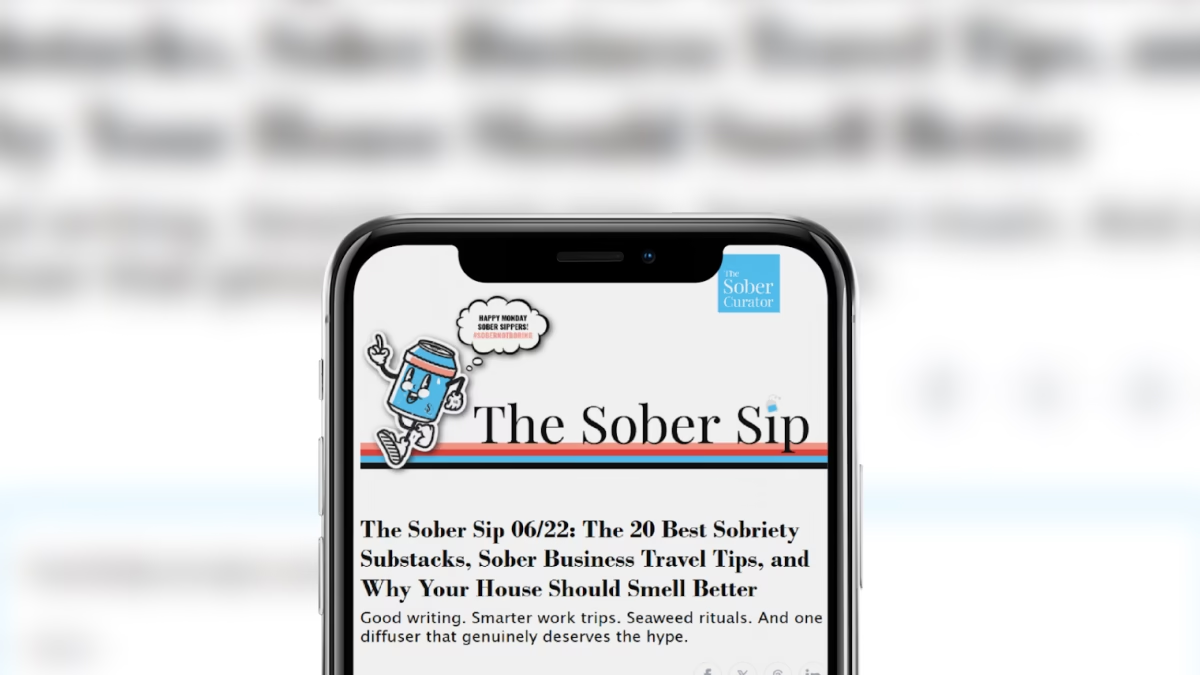
Short intros. Quick hits. Headlines that tell you exactly what you’re getting. Read it in the school pickup line, on the treadmill, or while pretending to listen on a conference call.
The Sober Sip: three times a week, zero fluff.
Resources Are Available
If you or someone you know is experiencing difficulties surrounding alcoholism, addiction, or mental illness, please reach out and ask for help. People everywhere can and want to help; you just have to know where to look. And continue to look until you find what works for you. Click here for a list of regional and national resources.