
I was cleaning my office, which in my house is also my Taylor Swift room, and I bent down and saw it on the floor. A tiny white “M.”
My body reacted before my brain could catch up. For a split second, I felt that old spark of excitement. Muscle memory. My nervous system recognizing something familiar and reaching for it automatically.
That moment scared me. Not because I wanted to use. Because it reminded me how fast the body can go there when it’s stressed, depleted, and in pain.
Then I picked it up.
It wasn’t a pill. It was a white letter bead with an “M” on it, the kind Swifties string onto friendship bracelets by the hundreds. I make these. I trade these. There are probably forty more of them within ten feet of where I was standing.
And I just stood there like, wow. The irony. The comedy. The reality.
Because even though it was just a bead, my reaction wasn’t nothing. It was information. It was my body telling me I’ve been living too close to the edge without admitting it.
What the bead knew before I did.
Pain and insomnia are my biggest triggers. I know that about myself. I’ve been dealing with chronic pain in my hand for years.
At first, I managed it. I had support. I had care. I had a chiropractor who helped me stay functional. Then he passed away.
And for the last year, I’ve been white-knuckling it. Pushing through. Telling myself it’s fine. Minimizing it. Ignoring how much it’s been wearing me down.
Chronic pain doesn’t just hurt your body. It wears on your mental health. It drains your patience. It messes with your sleep. It shrinks your window of tolerance until everything feels sharp. Urgent. Unbearable.
That’s the exact zone where relapse starts whispering like it has solutions.
I work in recovery. I sit with people every week and tell them their triggers deserve to be taken seriously. And I had spent a year quietly disqualifying my own because it was “just” pain, because I was managing, because there was always something more urgent than my own hand.
The bead didn’t care about any of that. My nervous system flagged a piece of bracelet plastic as a threat and an invitation in the same half-second, and that told me exactly how depleted I actually was.
A wake-up call, not a shame spiral
Here’s what I didn’t do. I didn’t panic. I didn’t decide the reaction meant I was broken, or backsliding, or secretly one bad day from losing everything. A body that remembers is not a body that has failed. It’s a body that survived something and kept the receipts.
So the bead became a decision instead of a verdict.
I called out of work. I booked the appointments. I got in with specialists quickly. Because I’m not doing “I’ll handle it later” anymore. I’m not waiting until I’m desperate. I’m not waiting until I’m spiraling.
Sober recovery, for me, is paying attention early. It’s taking my triggers seriously even when they look small, even when they look like a craft supply on the office floor. It’s choosing care before pain becomes a crisis and insomnia becomes a breaking point.
That’s what harm reduction looks like when you turn it inward. It’s not just the Narcan in my concert bag. It’s noticing the signal, believing the signal, and moving before the emergency, not after.
Your body keeps the score, so keep it company
If you’re in recovery or living alcohol-free and something small has ever lit you up out of nowhere—a smell, a song, a tiny white something on the floor—I want you to hear this: the reaction is not a relapse. It’s not even a threat to your sobriety. It’s data. It’s your body handing you a report on how you’re actually doing underneath the “I’m fine.”
Read the report. Then respond with protection instead of punishment.
For me, that meant medical appointments and admitting a year of pain out loud. For you, it might mean a meeting, a nap, a meal, a text to someone who gets it. Self-care sounds soft until you realize it’s the maintenance schedule that keeps the whole thing running. The move is the same either way: take yourself seriously early, while it’s still cheap to do.
It’s pretty wild that a plastic letter bead can expose how deep the wiring goes. But that’s the truth. My body remembers.
And now, so do I.
If you’re a Swiftie in recovery and you want a room full of people who understand exactly why the bead story is funny and not funny at the same time, come sit with us at swiftsteps.org. Tuesday nights are free and open to all.

The Sober Curator is a proud partner of Swift Steps, a peer-led community where Swifties rebuild through sobriety, heartbreak, and their hardest chapters, one era at a time. All Swift Steps paying members automatically get BACKSTAGE with The Sober Curator passes. Because we like people who know how to shake it off sober.
God, grant us the serenity to #ADDTOCART! Sober retail therapy is our favorite kind of workout—mindful, fun, and community-focused. In this section, you’ll discover unique sobriety gifts, premium recovery swag, and must-have merch we can’t stop raving about. We love featuring small businesses founded by people in recovery, sober creators, and brands that champion mental health and the sober lifestyle. From #QUITLIT reads to stylish glassware and meaningful recovery keepsakes, our curated picks make every purchase a celebration of sober living.
Shop our classic Sober Curator merch on SHOPTHESOBERCURATOR.COM for and explore our TSC Amazon Storefront featuring curated lists packed with gifts, books, and sober essentials.
🛍️ Submit a Product for Review NA beverages, sober-friendly tools, alcohol-free brands, and products built for the way our audience actually lives. Submit your product →
You don’t need a sobriety date to be here.
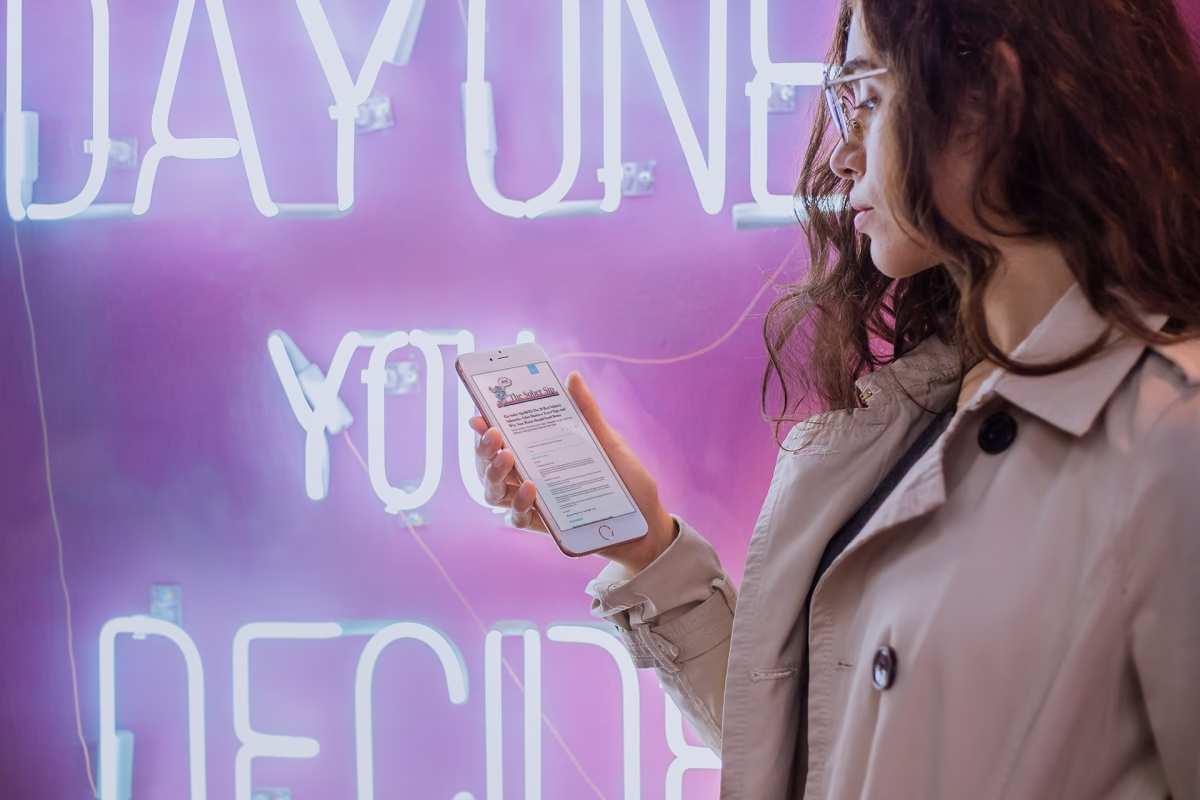
Sober, sober-curious, “just taking a break,” California sober and questioning it… The Sober Sip doesn’t check IDs at the door.
If you want the culture without the lecture, get on the list. Free, three times a week.
Resources Are Available
If you or someone you know is experiencing difficulties surrounding alcoholism, addiction, or mental illness, please reach out and ask for help. People everywhere can and want to help; you just have to know where to look. And continue to look until you find what works for you. Click here for a list of regional and national resources.
Follow The Sober Curator on TikTok
What should I do if I experience a sudden trigger in sobriety?
Recognize it as data rather than a relapse. It’s an opportunity to assess your current state and take proactive steps, such as scheduling appointments or reaching out for support.
How can I identify hidden triggers in my sobriety journey?
Pay attention to your body’s reactions to different stimuli, even if they seem minor. These reactions can provide insight into stress levels or unresolved issues.
Why is self-care important in managing triggers during recovery?
Self-care helps maintain your mental and physical health, reducing the likelihood of reaching a crisis point where triggers can lead to relapse.
How do I know when to seek professional help for managing triggers?
If you notice persistent stress, pain, or other symptoms affecting your daily life, it’s important to seek professional help and not wait until the situation worsens.
What role does chronic pain play in sobriety and recovery?
Chronic pain can be a significant trigger, affecting mental health and increasing the risk of relapse; therefore, managing pain effectively is crucial for maintaining sobriety.