The Serenity Prayer is so well-known that even if you don’t have it memorized, you’re likely to recognize it when you hear it. Its significance to recovery is evident from its frequent display on the walls of meeting rooms, its presence on countless collectibles, and the way mentioning “God…” in a group of addicts can prompt everyone to join in reciting it.
The prayer itself is relatively recent in history, having been attributed to theologian Reinhold Niebuhr in the early 1930s. Its close connection with Alcoholics Anonymous may be partly explained by the fact that the two emerged around the same time. But the wisdom expressed in the Serenity Prayer reaches much further back. Nearly two thousand years before Niebuhr wrote the prayer, the Stoic philosopher Epictetus expressed a remarkably similar idea.
The Serenity Prayer asks us to distinguish between the things we can change and those we cannot. The Stoics approached this same challenge through a distinction between what is within our control and what is not. Though the language is different, the underlying wisdom is strikingly similar: a good life begins with understanding what we can control, accepting what we cannot, and directing our energy toward what is truly ours to shape.
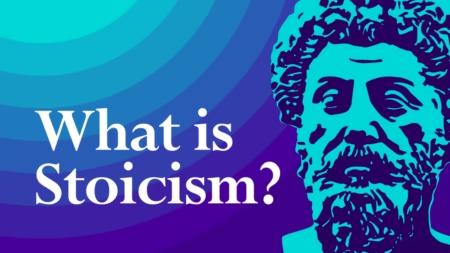
This connection is especially important because, for the Stoics, recognizing what is within our control was not simply a useful technique—it was part of living wisely. In a previous article, I discussed how Stoicism is a philosophy of life centered on living with virtue, or excellence of character. The Stoics believed that we cultivate this way of life by practicing the Four Cardinal Virtues, or Pillars, of Stoicism: wisdom, justice, courage, and temperance.
Of these four virtues, wisdom serves as a kind of foundation. Wisdom allows us to recognize what is truly within our control, distinguish what is good from what is harmful, and make sound judgments about how we should respond to the circumstances we face. Without wisdom, the other virtues can be difficult to practice.
In this article, I will focus on this first pillar—wisdom—and explore what it means to truly embody it in our daily lives. By developing wisdom, we can learn to make better judgments, respond more thoughtfully to life’s challenges, and ultimately live the best life available to us. Along the way, we’ll return to the Serenity Prayer and see how its message about accepting what we cannot change and acting on what we can is deeply connected to the Stoic understanding of wisdom.
What We Control (The Things We Can Change)
We are responsible for some things…our judgement, our impulse, our desire, aversion and our mental faculties in general…
Epictetus – Enchiridion: Chapter 1
When it comes to the world around us, there is very little that we can control.
There is nothing either good or bad, but thinking makes it so.
William Shakespeare – Hamlet: Act 2 Scene 2
Good and bad are judgments we make about the events in our lives. Whenever we label something as “good” or “bad,” we are choosing how to interpret it, and that choice shapes how we feel about it. Our emotional response often follows the judgment we make. Think about how you feel when something you call “good” happens, compared with how you feel when something you call “bad” happens. It’s interesting to realize that our emotions are often influenced not by the event itself, but by the meaning we choose to give it.
When I think about this concept, I think about the rock bottoms we sometimes experience in addiction and recovery. When we first experience a rock bottom, we often label it as “bad” because of where our lives have led us through addiction. But once we have some recovery under our belts, we may begin to see that same experience in a different light. We may come to view it as “good” because of the life-changing power it contained. The event itself hasn’t changed; only our judgment of it has. And as our judgment changes, so do our emotions surrounding it.
The Stoics teach that we should avoid placing labels or judgments on external events because they lie outside our control. Rather than calling something “good” or “bad,” they encourage us to see it simply for what it is. As the saying goes, it is what it is. Instead of judging circumstances, the Stoics reserve moral judgments for our own choices and actions—the things that truly are within our control. Good is found in acting with virtue: being honest, selfless, courageous, hardworking, and just. Bad is found in choosing vice: lying, acting selfishly, neglecting our responsibilities, or treating others unfairly. In this way, we have the power to bring genuine good into our lives, not by controlling what happens to us, but by controlling how we choose to respond. And because our character is always within our control, we can experience the lasting peace and fulfillment that come from living in accordance with virtue, regardless of our circumstances
Beyond our judgments, we also have control over what we desire and what we choose to avoid. This is something we know well in recovery. We choose to desire to live a life of sobriety, and we do so in part by choosing to avoid whatever our drug of choice may be. Yet the Stoics would caution us to be wise about what we desire and what we seek to avoid.
We might desire to become a millionaire or wish to avoid getting sick. But both of these situations place our happiness in the hands of things beyond our control. No matter how hard we work, circumstances outside our control could prevent us from becoming millionaires. Likewise, no matter how carefully we live, we cannot guarantee that we will never become ill. We set ourselves up for failure and negative emotions when we choose the wrong things to desire and avoid in life.
Instead, the Stoics encourage us to keep our desires and aversions within the realm of our own control. I can desire to be an honest and selfless person, just as I can choose to avoid being dishonest or selfish. These are things that are truly within my grasp. When we place our desires and aversions within our control, we no longer have to depend on the world to give us what we want or protect us from what we fear. We can choose the person we want to be and the actions we want to take. And because those choices are within our control, they are always within our grasp.
We also have control over our rational minds and the impulses that lead to our actions. These two things naturally follow from what I have just discussed. It is through our rational minds that we are able to make sound judgments about the events we experience. It is also through our rational minds that we choose the right things to desire and the right things to avoid. When we use our rational minds properly, our impulses are guided toward virtuous action, enabling us to do what is right. Here we can see how the Serenity Prayer relates to Stoicism, as it asks us for the courage to change the things we can. Our rational minds enable us to recognize what is within our power to change, while our impulses, when properly directed, give us the resolve to carry out those changes.
What We Do Not Control (The Thigns We Cannot Change)
…while there are others for which we cannot be held responsible…the body, material possessions, our reputation, status – in a word, anything not in our power to control.
Epictetus – Enchiridion: Chapter 1
When it comes to the world that we live in we will find that most of it is out of our control.
We do not have complete control over our bodies. Our height, how easily we gain or lose weight, the color of our eyes and hair, and the genes that serve as the blueprint for who we are are determined by factors largely beyond our control, as they are just a random meeting of egg and sperm. Likewise, some of the physical and mental illnesses we experience can arise from circumstances outside our control. We can do our best to maintain our health through proper diet, exercise, rest, and other healthy choices, but even these efforts cannot protect us from everything. Something as ordinary as a cold or the flu can strike without warning, while more devastating illnesses, such as cancer, can develop despite our best efforts to prevent them. These realities remind us that, while we have some influence over our bodies, we ultimately do not have complete control over them.
The material possessions we have in our lives may feel as though they are within our control because we worked for them and purchased them, but in reality, they too belong to the category of things that are ultimately beyond our control. Televisions break, clothes wear out and develop holes, and cars can be damaged in accidents. For those of us who have struggled with addiction, we may have even experienced the painful reality of losing nearly everything we owned (I know that I did). There is nothing wrong with appreciating the possessions we have; in fact, we should appreciate them. But that appreciation should come with the understanding that we may not always have them. When we recognize that our possessions are temporary and can be taken from us at any time, we can appreciate them even more while they remain in our care.
Our reputation also does not truly belong to us. This can be especially difficult early in sobriety, when we want others to see us differently now that we are working to overcome our addiction. We may hope that the people around us will recognize the changes we are making and view us in a new light. But how others see us is ultimately their choice. We can influence our reputation through the choices we make and the actions we take, but we cannot control whether someone chooses to have a favorable opinion of us. What matters is not whether we can control how others perceive us, but whether we are living in a way that reflects the person we want to become. It is more meaningful to have a positive perspective on yourself than what others think.
The status we have in life is also largely beyond our control. Whether we are born into poverty, the middle class, or wealth is not something we choose; we cannot choose our parents or the circumstances into which we are born. Like our reputation, however, we can have some influence over our status through the choices we make, such as pursuing an education, developing valuable skills, or entering a good profession. But even then, many factors remain beyond our control. Whether we get a particular job, receive a promotion, keep the job we have, or advance in our careers can depend on decisions made by other people and circumstances outside our influence. Ultimately, our position in the world is shaped not only by our own choices but also by forces beyond us, reminding us that our status, like our reputation, is not truly ours to control.
The Serenity Prayer
Long before the Serenity Prayer was written, the Stoics were practicing its central wisdom. In fact, wisdom was so essential to Stoic philosophy that it became one of the Four Pillars of a virtuous life—a quality that had to be cultivated in order to achieve excellence of character.
We should make the most of what is within our power: our judgments, desires, aversions, impulses, and rational minds. These are the parts of our lives over which we have the greatest control, and they are where our efforts should be directed. They are the things we can change.
For those things that are not fully within our power—our reputation, our bodies, our material possessions, and our status—we must learn to practice acceptance. These are the things we cannot change. We can certainly influence some of these things. We can make choices that affect our reputation, pursue education or meaningful work that may improve our status, and care for our bodies. But ultimately, we cannot control the outcome. We must be willing to accept whatever comes from our efforts.
When we learn to make the most of what is within our power while accepting what is beyond it, we begin to live in accordance with one of the most fundamental principles of Stoicism. And the more skillfully we practice this distinction, the closer we move toward the serenity the prayer describes—not because life becomes entirely peaceful, but because we learn how to live peacefully within the reality of life as it is.
SPIRITUAL GANGSTER: How Do You Feel About The Serenity Prayer? Here Are 10 Serenity Prayer Alternatives

SPIRITUAL GANGSTER: at The Sober Curator is a haven for those embracing sobriety with a healthy dose of spiritual sass. This space invites you to dive into meditation, astrology, intentional living, philosophy, and personal reflection—all while keeping your feet (and your sobriety) firmly on the ground. Whether you’re exploring new spiritual practices or deepening an existing one, Spiritual Gangster offers inspiration, insight, and a community that blends mindful living with alcohol-free fun.
All the cool kids go to rehab…

Resources Are Available
If you or someone you know is experiencing difficulties surrounding alcoholism, addiction, or mental illness, please reach out and ask for help. People everywhere can and want to help; you just have to know where to look. And continue to look until you find what works for you. Click here for a list of regional and national resources.
Follow The Sober Curator on TikTok
How is the Serenity Prayer connected to Stoic philosophy?
The Serenity Prayer closely parallels the Stoic distinction between what is within our control and what lies outside it. Both encourage us to take responsibility for our choices and actions while accepting the circumstances and outcomes we cannot control.
What does Stoicism say is within our control?
According to Stoic philosophy, our judgments, desires, aversions, impulses and rational faculties are within our power. We may not control what happens to us, but we can work on how we interpret events and how we choose to respond.
What does Stoicism say we cannot control?
Stoicism teaches that many external circumstances are not completely within our control, including our reputation, physical condition, possessions, social status and the opinions or decisions of other people.
How does Stoicism relate to addiction recovery?
Stoicism and recovery share an emphasis on accepting reality while taking responsibility for our own choices. In recovery, this can mean recognizing what we cannot change while directing our energy toward our behavior, decisions, character and continued sobriety.
How can accepting what we cannot control lead to serenity?
Acceptance can help us stop spending energy trying to force outcomes that are ultimately beyond our control. By focusing instead on our judgments, actions and choices, we can develop a greater sense of peace even when circumstances themselves remain difficult.