
I remember standing in my kitchen at 4 AM, wide awake for the third night in a row, my mind and body wide awake for no apparent reason. At 46, I knew this wasn’t just stress. My body was speaking a language I was only beginning to understand: the complex vocabulary of hormonal transition. That sleepless night became the catalyst for exploring how intentional retreat experiences could support women through every hormonal chapter of their lives.
Traditional healthcare often treats hormonal shifts as isolated symptoms to manage rather than natural transitions to navigate with grace and wisdom. But what if we approached these life stages differently? What if we created space for women to gather, learn, and heal together in environments designed specifically for hormonal balance?
Understanding Our Hormonal Journey
Women’s hormonal health isn’t a single destination: it’s a lifelong journey with distinct seasons, each deserving its own attention and care.
The Menstrual Years: Building Foundation
For women in their reproductive years, hormone balance often feels like a monthly negotiation. Many of us have normalized PMS symptoms—mood swings, bloating, intense cravings, debilitating cramps—as simply “part of being a woman.” But these symptoms are often signals that our bodies need different support.
Cycle-syncing nutrition has emerged as a powerful tool for menstrual wellness. This approach aligns food choices with the four phases of the menstrual cycle. During the follicular phase, when estrogen rises, incorporating foods rich in B vitamins and protein supports energy production. The ovulatory phase benefits from fiber-rich vegetables that help metabolize excess estrogen. The luteal phase, when many women experience PMS, responds well to magnesium-rich foods like dark leafy greens and cacao (yes, that chocolate craving has wisdom behind it), along with complex carbohydrates that stabilize blood sugar and mood.
Movement matters too. Gentle yoga and restorative practices during menstruation honor the body’s natural need for rest, while more vigorous activity during the follicular phase capitalizes on rising energy levels. When women gather in retreat settings to learn these practices together, something profound happens—they realize they’re not alone in their struggles, and they gain practical tools to work with their bodies rather than against them.
Perimenopause: Navigating the Transition
Perimenopause might be the most misunderstood phase of a woman’s life. It can begin as early as the mid-30s and last a decade or more. During this time, hormone levels don’t just decline—they fluctuate wildly, creating symptoms that can feel bewildering: irregular periods, night sweats, mood changes, brain fog, sleep disruption, and changes in metabolism.
Many women I’ve spoken with describe feeling like strangers in their own bodies during this phase. Traditional medical approaches often focus solely on symptom management through hormone replacement therapy, which can be valuable, but there’s so much more we can do.
Hormone testing during perimenopause provides crucial information. Comprehensive panels that measure not just estrogen and progesterone, but also thyroid function, cortisol patterns, and testosterone levels, can reveal the whole picture. Understanding these levels helps women make informed decisions about nutrition, supplements, and lifestyle modifications.
Adaptogens like ashwagandha, holy basil, and rhodiola have shown promise in supporting the hypothalamic-pituitary-adrenal axis, which governs stress response and hormone production. These herbs help the body adapt to stress more effectively, which is particularly valuable when hormonal fluctuations already challenge the nervous system.
But perhaps most importantly, perimenopausal women benefit enormously from community. In retreat settings, when women share their experiences—the night they thought they were having a heart attack, but it was a hot flash, the day they forgot their own phone number, the grief of a changing body—they find validation and solidarity. This communal healing is medicine in itself.
Menopause and Beyond: Thriving in the Next Chapter
Menopause, defined as twelve consecutive months without a period, marks the end of reproductive years but certainly not the end of vitality. Post-menopausal women in many traditional cultures are revered as wise elders, freed from monthly cycles to focus on leadership and creativity. Yet in Western culture, menopause is often framed as a deficiency disease, a loss to be mourned.
The reality is that post-menopausal bodies have different needs, and meeting those needs allows women to thrive. Bone health becomes paramount as declining estrogen affects bone density. Weight-bearing exercise and strength training aren’t optional luxuries—they’re essential practices for maintaining skeletal integrity and metabolic health. Research shows that women who engage in regular resistance training maintain better bone density, balance, and overall quality of life.
Infrared sauna therapy has gained attention for its benefits during this life stage. The deep heat penetrates tissues, promoting circulation, supporting cardiovascular health, reducing inflammation, and yes, helping manage those persistent hot flashes. Many women find that regular sauna use improves sleep quality and provides a meditative space for processing this life transition.
Cardiovascular health requires new attention post-menopause, as estrogen’s protective effects on the heart diminish. This is where integrative approaches shine—combining heart-healthy nutrition, stress management practices, and regular movement creates a foundation for long-term wellness.
The Retreat Model: Integrating Diagnostics, Community, and Nature
Effective hormone retreats don’t just provide information—they create transformation through integration. The most powerful experiences combine several key elements:
Comprehensive Assessment: Beginning with baseline testing—hormones, metabolic markers, nutrient levels, and sometimes more advanced diagnostics like gut microbiome analysis—gives women concrete data about their bodies. This removes the guesswork and creates personalized starting points.
Nature Immersion: There’s growing research on the physiological benefits of time in nature. Forest bathing, ocean swims, mountain hikes—these aren’t just pleasant activities. They measurably reduce cortisol, lower blood pressure, improve immune function, and regulate circadian rhythms. For women whose hormones are already in flux, this natural regulation is profoundly supportive.
Group Wisdom: Facilitated sharing circles create space for women to voice their experiences without judgment. The relief of discovering you’re not alone —that your symptoms aren’t “all in your head” — that other intelligent, capable women are navigating similar challenges—this validation is deeply healing.
Practical Skill-Building: Women leave with more than inspiration. They learn to prepare hormone-balancing meals, practice breathwork techniques for managing hot flashes, understand their lab results, and create sustainable daily rituals. These practical tools extend the retreat’s benefits long after returning home.
Cultural Context: When retreats incorporate local wisdom—traditional plant medicine, indigenous healing practices, connection to land—they offer a perspective on how other cultures honor women’s transitions. This broader view can reshape how we understand our own experiences.
Creating Your Own Hormone-Supportive Practices
You don’t need to wait for a retreat to begin supporting your hormonal health. Here are some practices you can start today:
Track Your Patterns: Whether you’re cycling or in transition, keeping a simple journal of symptoms, energy levels, sleep quality, and mood helps you identify patterns. This information is invaluable for healthcare providers and empowers you to make informed choices.
Prioritize Sleep: Hormonal balance and sleep are intimately connected. Create a dark, cool sleeping environment, establish consistent sleep and wake times, and consider magnesium supplementation (the glycinate form is particularly well absorbed and calming).
Move With Intention: Match your movement to your life stage. More vigorous exercise might feel energizing during certain phases and depleting during others. Listen to your body and adjust accordingly. I know I’m in my “lifting heavy sh*t” phase to boost muscle mass and, in turn, longevity.
Nourish Thoughtfully: Focus on whole foods, particularly those rich in omega-3 fatty acids, fiber, and phytonutrients. Cruciferous vegetables like broccoli and Brussels sprouts support estrogen metabolism. Healthy fats from avocados, nuts, and olive oil provide building blocks for hormone production.
Find Your Community: Whether online or in person, connecting with other women navigating similar hormonal terrain can reduce isolation and provide practical support. Share resources, experiences, and encouragement. Feeling seen, understood and supported by others who get it is so important.
The Path Forward
As we move into 2026 and beyond, I’m hopeful that conversations about women’s hormonal health will continue to evolve. We’re moving beyond the old paradigm of “managing symptoms” toward a more holistic understanding of how to support women through natural life transitions.
Retreats designed specifically for hormonal wellness offer something our fragmented healthcare system often can’t—time, attention, community, and integration. They create space for women to pause, assess, learn, and connect. They honor the wisdom of our bodies while providing evidence-based tools for optimal health.
Whether you’re navigating intense PMS, the rollercoaster of perimenopause, or the recalibration of post-menopausal life, know that you don’t have to figure it out alone. Your hormonal journey is uniquely yours, but the path is well-traveled by women who came before and walk beside you now.
The 4 AM wake-ups that once filled me with anxiety have become opportunities for quiet reflection. I’ve learned to work with my body’s rhythms rather than fighting them. And I’ve discovered that gathering with other women who understand this journey isn’t just pleasant—it’s essential medicine for navigating these powerful transitions with grace, wisdom, and vitality.
What stage of hormonal health are you navigating right now? What practices have you found most supportive? I’d love to hear your experiences and continue this conversation. Interested in doing a medical wellness retreat with seven other women going through perimenopause? Please email us at hello@altavitahealth.ca or check out our website altavitahealth.ca

WELLNESS AS A WAY OF LIFE is a coaching practice and podcast by Senior Sober Curator Contributor Megan Swan dedicated to helping powerhouse women create sustainable, joyful health habits. Embracing a “less is more” philosophy, each episode blends modern science with timeless wellness wisdom—offering insights that energize, boost confidence, and keep you focused on your goals without burnout. Through authentic conversations, expert guidance, and inspiring stories, we help you design personalized practices that seamlessly fit into your lifestyle. Think of it as a wellness mocktail—fresh, uplifting, and naturally sweet—crafted to bring clarity, calm, and lasting vitality.
Megan will guide you in finding personalized wellness practices that fit seamlessly into your lifestyle, making wellness a joyful habit rather than a task. Imagine a sparkling blend of vitality, like a mocktail of fresh berries and mint—refreshing and naturally sweet. Tune in and transform your wellness journey with clarity and calm, inspired by authentic stories and expert guidance.
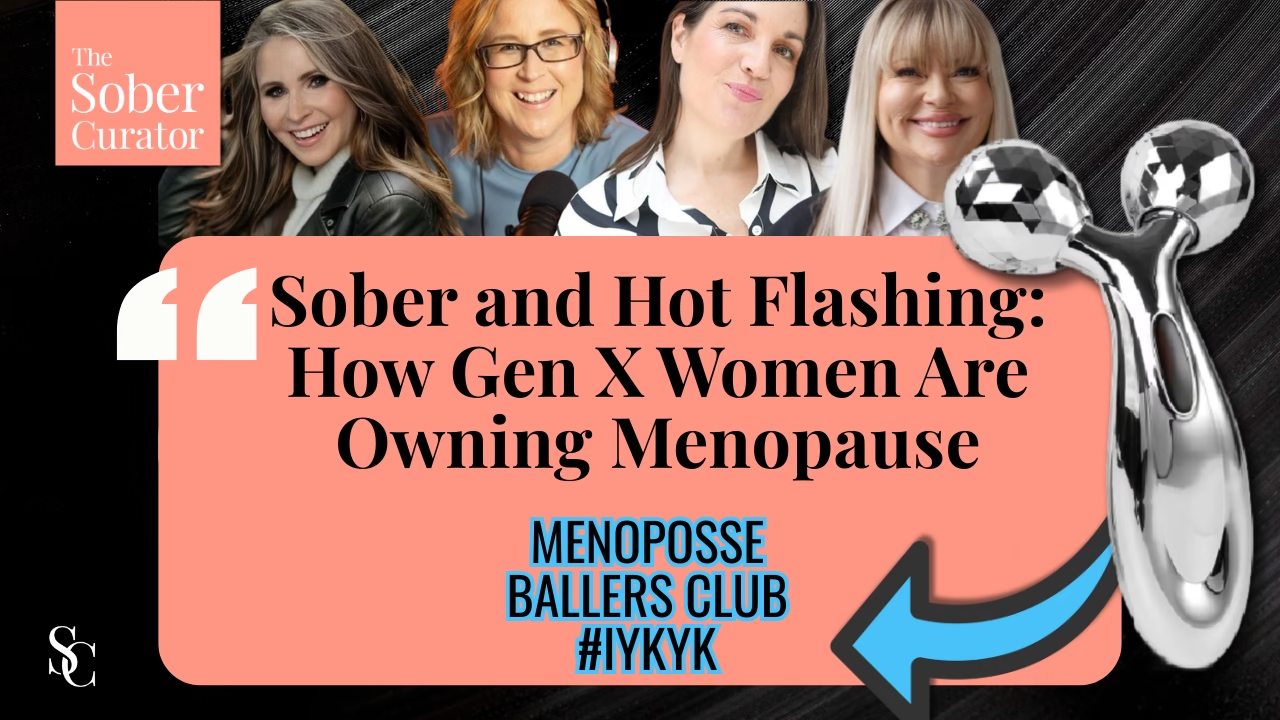
SOBER CURATOR PODCAST: Sober and Hot Flashing: How Gen X Women Are Owning Menopause

Resources Are Available
If you or someone you know is experiencing difficulties surrounding alcoholism, addiction, or mental illness, please reach out and ask for help. People everywhere can and want to help; you just have to know where to look. And continue to look until you find what works for you. Click here for a list of regional and national resources.