When I was a teenager, my mother died of alcoholism. For a year before she died, my mother’s skin and eyes were yellow, not sallow and looking a bit unhealthy, but real yellow, like the butter cups on the wallpaper in our kitchen. I didn’t know why this was happening. There was no internet then, so no way to look something up online, and it was far too shameful to ask for help.
The way I dealt with my fear and shame was to drink a lot and do copious amounts of drugs. Thank goodness, I eventually found my way into recovery so my own children never had to watch me turn yellow! Today we know what happens when people drink too much alcohol. The fact that alcohol is a toxic substance is well-documented.
The New York Times did a snappy, easy to digest piece about how alcohol impacts our bodies:
From the moment you take a sip, drinking starts to influence your biology…
In the brain, alcohol changes the activity of two neurotransmitters, and suppresses brain activity.
When brain activity, especially in the frontal cortex, is inhibited your actions become disinhibited.
That’s why you don’t have as much self-control when you drink and may say or do things you wouldn’t otherwise.
In the mouth, alcohol changes into a compound called acetaldehyde, which is incredibly toxic to humans and is classified as a human carcinogen. It can actually modify DNA, potentially leading to cancer-causing mutations. There is a risk of four types of cancer in the mouth and upper digestive tract: oral, pharyngeal (throat), laryngeal (voice box) and esophageal. The mouth, throat and esophagus are particularly vulnerable since those tissues have some of the greatest exposure to acetaldehyde.
In the heart, regular alcohol use is associated with higher blood pressure and an increased risk of hypertension. Alcohol can also disrupt the heart’s electrical system, and heavy drinking can cause atrial fibrillation
Estrogen levels in the body are impacted by alcohol. This may be why, women having just one drink a day, increases the odds of developing breast cancer by 10 percent, and two drinks a day raises them by 19 percent.
In the gut, alcohol’s effects range from unpleasant to potentially deadly. Long term, heavy alcohol use can damage the intestinal lining, leading to gastrointestinal bleeding and “leaky gut syndrome,” where food and microbes escape the intestines and enter the bloodstream. Tissues in the gastrointestinal tract are also prone to alcohol-related cancer.
The liver is probably the organ most vulnerable to damage from drinking. Alcohol-related liver disease is the leading cause of death from excessive drinking. Enzymes in the liver convert alcohol into acetaldehyde (that same toxic substance). In response to the damage caused by acetaldehyde, fat deposits start to build up in the liver, resulting in inflammation and fatty liver disease. If the inflammation goes on for too long, scar tissue can develop, which could lead to liver cirrhosis (the reason my mother turned yellow with jaundice). Like in other parts of the body, heavy drinking also increases the risk of cancer in the liver, because of the DNA damage caused by acetaldehyde.
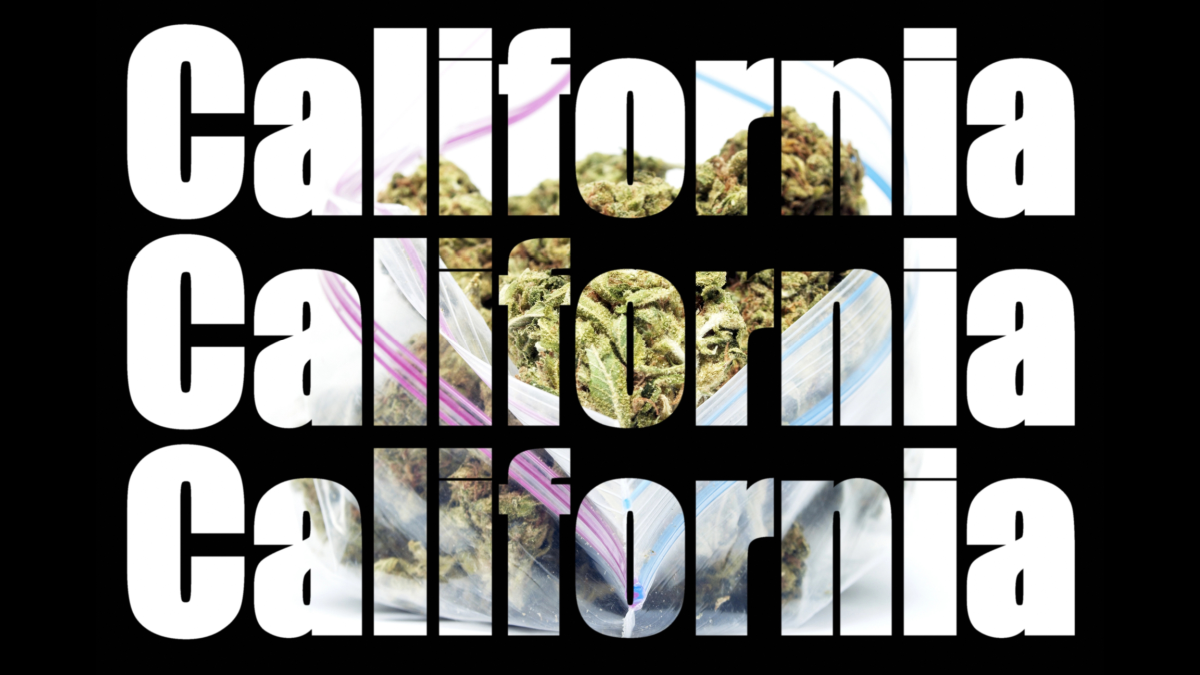
So, the evidence is clear and not surprising: alcohol is toxic to the human body. And, gratefully, the evidence is now widely available. Recently, I met a woman at a meeting, and we were talking about how much more information there is now regarding women’s health and drinking. And we were both grateful that the info is so widely available now. But then she said something I was not expecting: that she smokes weed almost daily. That surprised me. I hadn’t read much about how cannabis is affecting people’s health, so I did a bit of research. It seems as if my friend from the meeting is not alone. As cannabis becomes more widely legalized and socially accepted, many people in alcohol recovery believe that using marijuana is a safer alternative to drinking. It even has a nickname: California Sober. But is it actually safer?
An interesting article in the New York Times outlined some of the ways it is not safer. Unsurprisingly, legalization has led to wider use of marijuana. And with this wider use, more problems are arising:
This wider use has caused a rise in addiction and other problems. Each year, nearly 2.8 million people in the United States suffer from cannabinoid hyperemesis syndrome, which causes severe vomiting and stomach pain. More people have also ended up in hospitals with marijuana-linked paranoia and chronic psychotic disorders. Bystanders have also been hurt, including by people driving under the influence of pot.
A big part of the problem is the potency: Today’s cannabis is far more potent than the pot that preceded legalization. In 1995, the marijuana seized by the Drug Enforcement Administration was around 4 percent THC, the primary psychoactive compound in pot. Today, you can buy marijuana products with THC levels of 90 percent or more. As the cliché goes, this is not your parents’ weed.
So, what is actually happening to our bodies when we smoke or consume cannabis now?
In the brain, the effects are far reaching:
Neuroimaging studies show THC disrupts activity in the hippocampus and prefrontal cortex; it alters neurotransmitter release in brain regions responsible for memory, coordination, and judgment. The effects include: Impaired short-term memory, altered judgment, impaired motor coordination, and often increased anxiety or paranoia. And long-term or heavy use can lead to: Persistent cognitive impairment, Increased risk of psychiatric disorders, including psychosis, and even structural and functional brain changes.
In the lungs, cannabis smoke can cause major problems. Cannabis smoke contains many of the same toxins and carcinogens as tobacco smoke. Smoking marijuana can lead to: Chronic bronchitis, airway inflammation, increased cough and sputum production. And there is substantial evidence linking long-term cannabis smoking with chronic bronchitis, and even an increased risk of lung cancer.
In the heart, the risks that cannabis pose are not dissimilar to the risks posed by alcohol. THC can: Increase heart rate (tachycardia), cause vasodilation, and increase cardiac workload.
The immune system is also impacted. Some studies suggest it may suppress certain immune responses. It may also affect hormone levels, potentially influencing: Reproductive hormones, fertility and menstrual cycle regulation.
But the question for me remains – are people recovering from alcohol use disorder (AUD) at greater risk of developing cannabis addiction than the general population?
Research suggests the answer is probably yes — for several biological, psychological, and behavioral reasons. First of all, there is a shared addiction vulnerability.
Addiction is not simply about a single substance. It involves underlying changes in brain circuitry related to reward, impulse control, stress response, and decision-making. Those of us with a history of alcohol use disorder often have: Heightened reward sensitivity, reduced impulse control, altered dopamine signaling, and stronger stress-reactivity.
Lane Kennedy wrote a brilliant piece about weed, DNA and addiction:
When you stop drinking but keep smoking weed, you’re not necessarily in the clear; you may just be talking to the same brain circuits in a different chemical language. Some people carry gene changes (single‑letter “spelling” changes in their DNA) in their cannabis receptors and brain‑signaling genes that make THC hit harder, feel more intense, and carry a higher risk for anxiety, paranoia, or even psychosis. For example, small variations in the cannabinoid receptor gene CNR1 (like a SNP called rs1049353) and in a signaling gene called AKT1 (rs2494732) have been linked to stronger mood changes, anger, and much higher psychosis risk in regular cannabis users, especially daily users. In plain English: the same joint that your friend uses to “relax” may flip your brain into red‑alert mode, depending on your blueprint.
Alcohol has its own genetic story, which helps explain why some people move from the bottle to the bong. Genes like ADH1B and ALDH2 control how fast your body breaks alcohol into acetaldehyde (the nasty, toxic part) and then clears it; some versions of these SNPs (like ADH1B rs1229984 and ALDH2 rs671) cause acetaldehyde to spike quickly, leading to flushing, nausea, and a built‑in “yuck, never again” response that actually lowers alcoholism risk, while other versions keep drinking feeling smoother and are linked to heavier use and more alcohol‑related disease. When someone with a “smooth” alcohol genotype gets sober but has a cannabis‑sensitive genotype in CNR1 or AKT1, switching to weed can keep the addiction circuitry alive and well—just with a different substance at the wheel. This is where your DNA becomes a powerful flashlight: understanding your personal variants can help you see that “only smoking now” might still be stressing your brain, nervous system, and long‑term recovery, and opens the door to using food, supplements, peptides, and mindfulness instead of THC to bring your body back toward homeostasis.
So, if you or your friends in recovery are considering joining the California Sober movement, I hope you’ll think again. Your body will thank you!

The Sober Curator’s MENTAL HEALTH + WELLNESS section is your go-to guide for nurturing emotional well-being—especially for those in recovery. Explore resources, expert insights, and personal stories that connect the dots between mental health, sobriety, and self-care. From managing anxiety and depression to building mindfulness and emotional resilience, we provide practical tools and inspiration to help you thrive alcohol-free. By fostering open, stigma-free conversations, we empower our community to make emotional wellness a cornerstone of long-term recovery.
Dedicated columns on this TSC channel:
- Break Free Foundation – Scholarships & Support for Recovery with Sober Curator Contributor Alexandra Nyman
- Codependency – Insights & Recovery with Sober Curator Contributor Dr. Sarah Michaud
- Mastering Mental Fitness with Sober Curator Contributor James Gwinnett
- Mental Health – Emotional Wellness in Recovery
- Relationships – Love, Connection & Boundaries in Sobriety
- Sober Not Subtle with Sober Curator Contributor Jason Mayo
- Sober Poetry – Recovery in Verse
- Speak Out! Speak Loud! – Stories & Creative Expression in Recovery
- Spiritual Substance – Mindfulness, Science & Soul with Senior Sober Curator Contributor Lane Kennedy
- Wellness As A Way of Life – Sustainable Health for Powerful Women with Senior Sober Curator Contributor Megan Swan

The SOBER LIFESTYLE hub at The Sober Curator is your destination for all things bold, creative, and alcohol-free. We’re here to smash the clichés about sobriety, proving that life without booze is vibrant, stylish, and full of possibility.
Inside you’ll find curated #ADDTOCART shopping picks, DIY Curated Crafts, and Coming Out Sober -a look at recovery through the LGBTQ lens. Plus, you’ll find inspiring Sober Spotlight interviews, fashion features, official Sober Curator merch, practical Sober Content Creation how-to’s, and the addictive Sober Unbuzzed Feed—perfect for list lovers. Whether you’re newly sober or thriving in long-term recovery, this space celebrates the creativity, connection, and joy that define the modern sober lifestyle.
Resources Are Available
If you or someone you know is experiencing difficulties surrounding alcoholism, addiction, or mental illness, please reach out and ask for help. People everywhere can and want to help; you just have to know where to look. And continue to look until you find what works for you. Click here for a list of regional and national resources.

Follow The Sober Curator on Facebook
1. Is smoking weed safer than drinking alcohol?
Not necessarily. While cannabis and alcohol affect the body differently, both carry significant health risks. Modern high-potency THC products can impact brain function, heart health, lung health, and mental health — especially with frequent use. For people in recovery, substituting cannabis for alcohol may still activate addictive pathways in the brain.
2. What does “California Sober” mean?
“California sober” refers to someone who avoids alcohol but continues to use cannabis (and sometimes psychedelics). The idea is that marijuana is a safer or more manageable alternative to drinking — but research suggests it may still carry risks, particularly for people with a history of substance use disorder.
3. Is today’s marijuana stronger than it used to be?
Yes. Cannabis products today are significantly more potent than in the 1990s. THC levels have increased dramatically, with some products reaching 90% THC. Higher potency is linked to greater risks of anxiety, paranoia, cognitive impairment, and psychosis — especially with daily use.
4. Can cannabis affect your brain long term?
Yes. Research shows THC can disrupt areas of the brain responsible for memory, judgment, and impulse control. Heavy or prolonged use has been associated with persistent cognitive impairment and an increased risk of psychiatric disorders in some individuals.
5. Does smoking weed impact your DNA?
Cannabis does not change your genetic code directly, but it may influence gene expression through epigenetic changes. These changes can affect how certain genes are turned on or off, potentially influencing mood regulation, stress response, and long-term health.
6. Are people in alcohol recovery at higher risk for cannabis addiction?
Research suggests they may be. Individuals with a history of alcohol use disorder often have heightened reward sensitivity and altered dopamine signaling, which can increase vulnerability to other substance dependencies, including cannabis.
7. Can using cannabis trigger relapse into alcohol use?
For some people, yes. Using cannabis can lower inhibitions, alter judgment, and re-engage addictive brain circuitry. For individuals in recovery, this may increase the risk of cross-addiction or a return to drinking.
8. Is cannabis addiction real?
Yes. Cannabis use disorder is recognized as a medical diagnosis. Symptoms can include cravings, withdrawal, increased tolerance, difficulty cutting back, and continued use despite negative consequences.