There’s a space you land in when you get sober.
Not the chaos.
Not the glow.
The quiet numbness.
You’re no longer numbing out with alcohol, but you realize you’re still numb. You’ve done the work. You’ve peeled off the alcohol-induced bubble wrap. You can feel the clarity.
And yet.
Everything feels beige.
Before you decide that beige is going to be your default new-normal (and honestly there’s nothing wrong if it is), let’s work with it.
The Practice: Layer the Numb
Grab:
- One page in your sketchbook
- Any neutral paint (beige, gray, white, even watered-down brown)
- Old magazines or junk mail
- Glue
Step 1: Cover the page.
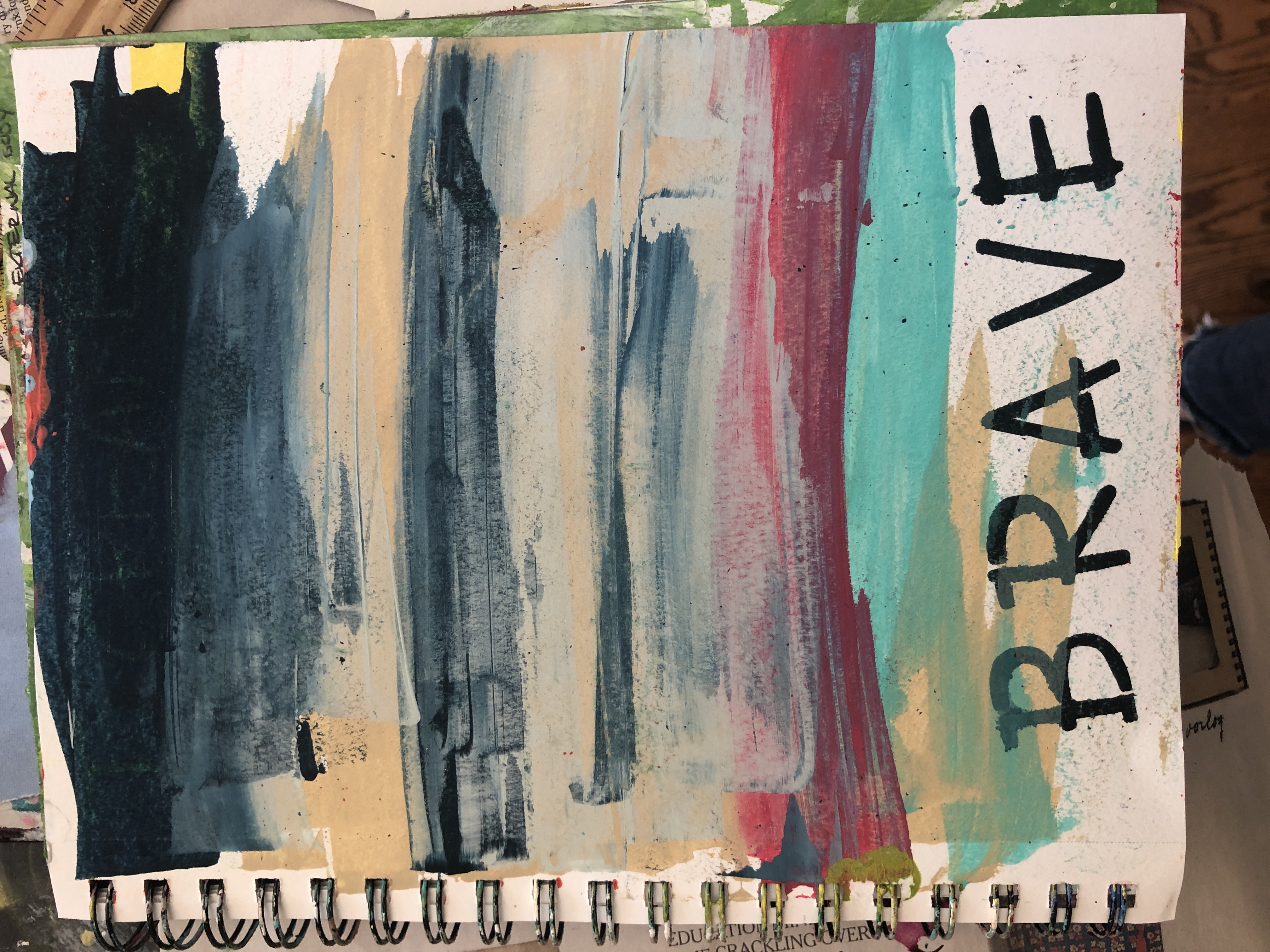
Paint the whole thing in a neutral wash. Don’t make it pretty. Just coat it. Let it be flat. Let it be dull.
Step 2: Tear, don’t cut.
Flip through magazines and tear out words or images that feel like:
- “Should”
- “Fine”
- “I’m okay”
- Anything that feels polite, muted, acceptable
Glue them into the beige. Press them down. Let them disappear a little.
Step 3: Disrupt it.
Now choose one color that feels alive. One.
Make a mark. A streak. A scribble. A thumbprint. A rip through the paper.
Don’t overthink it.
Reflection
Look at the page.
Where did you hesitate?
Was it harder to make the beige, or to interrupt it?
Did the bold mark feel reckless, or relieving?
Write one sentence at the bottom:
“The numb part of me is protecting ______.”
That’s it.
You don’t have to rush through the beige. It might be the primer.
UNPOLISHED: A Bi-Weekly Creative Practice for Sober & Sober-Curious Women

The SOBER LIFESTYLE hub at The Sober Curator is your destination for all things bold, creative, and alcohol-free. We’re here to smash the clichés about sobriety, proving that life without booze is vibrant, stylish, and full of possibility.
Inside you’ll find curated #ADDTOCART shopping picks, DIY Curated Crafts, and Coming Out Sober -a look at recovery through the LGBTQ lens. Plus, you’ll find inspiring Sober Spotlight interviews, fashion features, official Sober Curator merch, practical Sober Content Creation how-to’s, and the addictive Sober Unbuzzed Feed—perfect for list lovers. Whether you’re newly sober or thriving in long-term recovery, this space celebrates the creativity, connection, and joy that define the modern sober lifestyle.
Resources Are Available
If you or someone you know is experiencing difficulties surrounding alcoholism, addiction, or mental illness, please reach out and ask for help. People everywhere can and want to help; you just have to know where to look. And continue to look until you find what works for you. Click here for a list of regional and national resources.

Follow The Sober Curator on Instagram
1. What is Unpolished?
Unpolished is a creative sobriety column offering art therapy journaling practices for sober and sober-curious individuals. Each piece includes a reflection and a simple, hands-on creative prompt.
2. What is “Numb the Beige” about?
“Numb the Beige” explores emotional numbness that can surface after quitting alcohol. The practice invites you to visually represent that “beige” feeling and gently disrupt it through color and creative expression.
3. Is this art therapy?
This is a creative journaling practice inspired by art therapy principles, but it is not a substitute for professional therapy. It’s designed to help you explore emotions safely and privately.
4. Why do people feel numb after getting sober?
After removing alcohol, many people experience a period of emotional flatness or disconnection. Alcohol suppresses feelings, and when it’s gone, the nervous system recalibrates. Numbness can be part of that transition.
5. Do I need to be artistic to try this practice?
No. This exercise is not about artistic skill. It focuses on expression, not aesthetics. Simple materials like paint, paper, and torn magazine pieces are enough.
6. What materials do I need for this journaling practice?
You’ll need a sketchbook page, neutral paint, old magazines or junk mail, glue, and one bold color for disruption. No special supplies are required.
7. How can creative journaling support sobriety?
Creative journaling builds emotional awareness, self-trust, and presence. It offers a nonverbal way to process feelings that might otherwise feel overwhelming or hard to name.
8. What does “The numb part of me is protecting ____” mean?
This reflection prompt helps you explore what your emotional numbness may be shielding — such as grief, fear, anger, or vulnerability. It invites curiosity rather than judgment.
9. Is emotional numbness in recovery a sign of failure?
No. Numbness is common in recovery. It doesn’t mean sobriety isn’t working. It may be a transitional phase as your nervous system and emotional patterns adjust.