I have a habit of turning my job into my identity.
If I am employed, I am stable. If I am earning well, I am valuable. If I lose a job, I do not just lose income. I lose a sense of self.
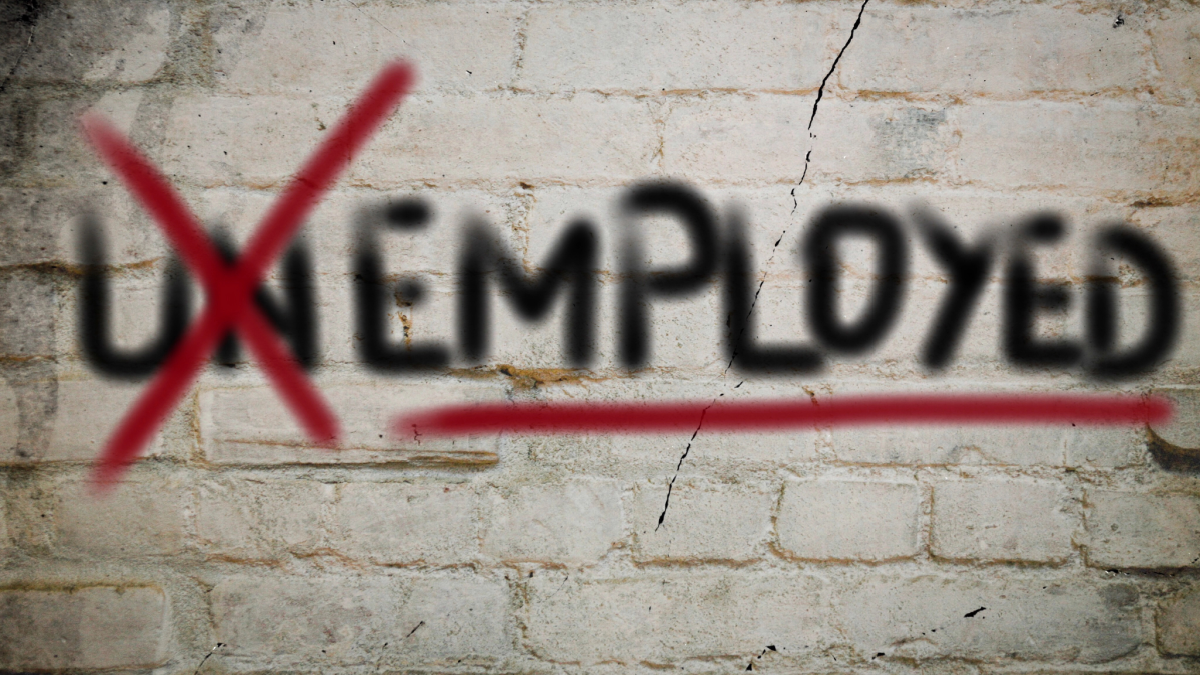
Unemployment has a way of exposing that flaw quickly. The paychecks stop, and so does the illusion that my worth can be measured in dollars per hour. The silence between job applications grows loud. Shame creeps in. I start to feel like I am failing not just financially, but morally.
I equate productivity with virtue. I measure my value by what I contribute economically. And when that contribution disappears, I feel smaller.
But that thinking is flawed.
Recovery taught me long ago that I cannot do life alone. Yet somewhere along the way, I started believing I should be able to carry everything myself — especially financially. I told myself that needing help meant weakness. That relying on others meant I had somehow regressed.
Unemployment has forced me to confront that lie.
My wife and I have made ends meet not through my individual strength, but through the generosity of our support network. Through family. Through community. Through people who love us and want us to succeed. The same people I would help without hesitation if the roles were reversed.
And still, my pride resists.
There is a particular kind of shame in depending on others when you are used to being the dependable one. It whispers that you are behind, that you are less than, that you should be further by now.
But recovery interrupts that narrative.
Recovery reminds me that connection is not a fallback plan. It is the plan. The entire structure of my healing has been built on admitting I cannot do this alone. Why would employment be any different?
My higher power has been teaching me something uncomfortable but necessary: I am safe. I am loved. I am more than my title, more than my résumé, more than what someone is willing to pay me per hour.
Recovery never promised that life would become easy. It promised that I would not have to face it alone. There are hills and valleys. Employment and unemployment. Momentum and stagnation. The work is not to eliminate the valleys. The work is to walk through them without isolating.
When I am employed, I forget this lesson. When I am unemployed, I am forced to relearn it.
I am not my job. I am not my income bracket. I am not my LinkedIn profile.
I am a husband. A man in recovery. A person learning — sometimes reluctantly — that worth is not transactional.
The valley is uncomfortable. It tests my ego. It stretches my faith. But it also reminds me that support is not charity. It is love in action.
And if recovery has taught me anything, it is this: reaching out is not failure. It is survival.
Unemployment may shake my identity.
But it does not define my value.
SPEAK OUT! SPEAK LOUD! at The Sober Curator is a celebration of authentic voices in recovery—echoing Madonna’s call to “Express yourself!” Here, readers and contributors take the spotlight, sharing transformative sobriety journeys, creative talents, and new avenues of self-expression discovered along the way. Through videos, poems, art, essays, opinion pieces, and music, we break the silence that often surrounds addiction, replacing it with connection, hope, and inspiration.
Your story matters—and we want to hear it. Submit your work to thesobercurator@gmail.com or DM us on social media.
Disclaimer: All opinions expressed in the Speak Out! Speak Loud! Section are solely the opinions of the contributing author of each individual published article and do not reflect the views of The Sober Curator, their respective affiliates, or the companies with which The Sober Curator is affiliated.
The Speak Out! Speak Loud! posts are based upon information the contributing author considers reliable. Still, neither The Sober Curator nor its affiliates, nor the companies with which such participants are affiliated, warrant its completeness or accuracy, and it should not be relied upon as such.

SOBERSCRIBE NOW!
Resources Are Available
If you or someone you know is experiencing difficulties surrounding alcoholism, addiction, or mental illness, please reach out and ask for help. People everywhere can and want to help; you just have to know where to look. And continue to look until you find what works for you. Click here for a list of regional and national resources.
Follow The Sober Curator on X, the artist formerly known as Twitter