Red light therapy has moved well beyond niche wellness circles and into mainstream health, recovery, and clinical environments. For people who identify as sober or in recovery from substance use disorders, interest in non-invasive, supportive wellness tools is often rooted in a desire to care for the body and nervous system without introducing substances or quick fixes. As demand grows, so does the importance of understanding device quality, safety standards, and emerging technology. For Australians in particular, TGA-approved red light therapy has become a critical benchmark when choosing a system that supports long-term wellbeing rather than empty marketing promises.
From home users looking to support recovery routines and daily regulation to clinics investing in professional-grade equipment, the market now offers a wide range of options. Among the most advanced solutions are full-body red light therapy panels, designed to deliver consistent coverage across large treatment areas, and newer wavelengths such as 1060nm red light therapy, which is gaining attention for its deeper tissue penetration.
This article explores how red-light therapy works, why TGA approval matters, what differentiates full body systems from smaller devices, and how advanced wavelengths are shaping the future of light-based wellness for people prioritizing sustainable, substance-free care.
Why TGA Approval Is Important
The Therapeutic Goods Administration regulates therapeutic devices in Australia to ensure they meet strict safety and performance standards. When a red-light therapy device is TGA approved, it has been assessed for electrical safety, manufacturing quality, and intended therapeutic use.
This matters because red light therapy is often used regularly and over long periods. Devices that lack proper approval may deliver inconsistent wavelengths, insufficient output, or poor heat management. In some cases, claims made by unregulated products are not supported by testing or evidence.
For clinics and commercial operators, TGA approval also supports compliance and professional credibility. For home users, it offers reassurance that the device has been evaluated for safe, ongoing use.
How Red-Light Therapy Supports the Body
Red light therapy works through a process known as photo-biomodulation. Specific wavelengths of red and near-infrared light are absorbed by cells, particularly within the mitochondria. This interaction can support increased cellular energy production, improved circulation, and reduced inflammation.
The effectiveness of treatment depends on several factors, including wavelength accuracy, light intensity, treatment distance, and session consistency. Devices that are poorly designed or underpowered may fail to deliver meaningful results, even if they appear similar on the surface.
This is why professional-grade systems focus on precise wavelength delivery and stable output rather than simply increasing the number of LEDs.
The Role of Full Body Red Light Therapy Panels
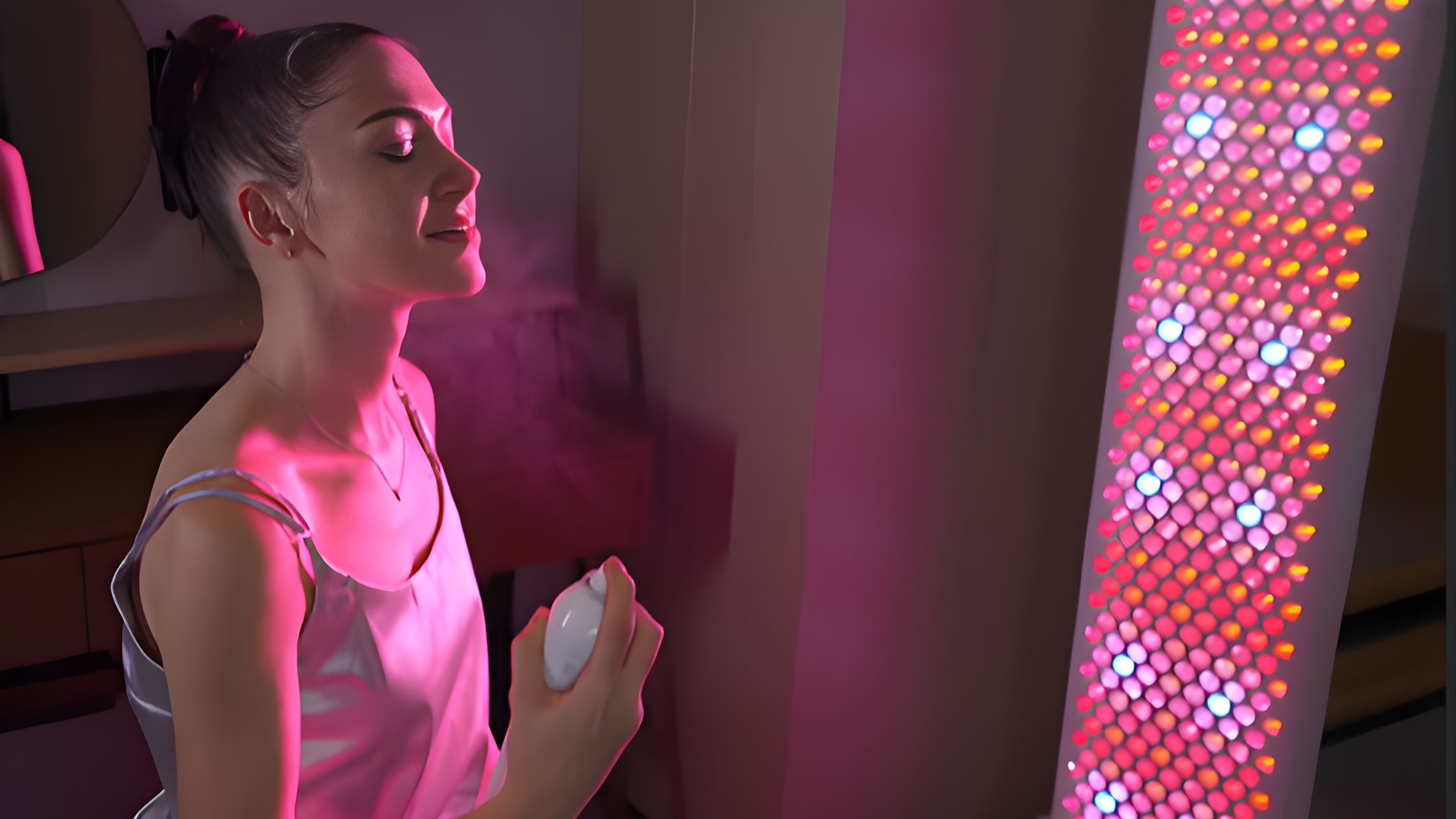
As red-light therapy has evolved, larger systems have become increasingly popular. Full-body red light therapy panels are designed to treat multiple areas simultaneously, delivering consistent exposure across the entire body in a single session.
This approach offers both practical and physiological benefits. Sessions are more time-efficient, and whole-body exposure can support systemic effects, including overall recovery, circulation, and nervous system regulation. These panels are commonly used in physiotherapy clinics, sports recovery centers, wellness studios, and medical environments.
High-quality full-body panels feature even light distribution, controlled heat output, and modular designs that support half- or full-body configurations. Because these systems operate at higher power levels, regulatory approval becomes especially important for long-term safety.
Understanding 1060nm Red Light Therapy
Most red-light therapy devices focus on wavelengths between 630nm and 880nm, which are well established for skin health, muscle recovery, and inflammation support. 1060nm red light therapy represents a newer advancement aimed at deeper tissue penetration.
This wavelength lies further into the near-infrared spectrum and is designed to penetrate deeper into muscle layers and joints. It is gaining interest for applications involving chronic discomfort, stiffness, and deeper musculoskeletal recovery.
Because deeper penetration requires higher energy transfer, device quality and calibration are critical. Systems incorporating 1060nm technology are typically positioned at the premium end of the market and are often combined with more traditional wavelengths to provide layered treatment within a single session.
Choosing the Right Red Light Therapy System
The right device depends on how it will be used. Home users often prioritize footprint, ease of use, and flexibility, while clinics and commercial operators focus on durability, output consistency, and treatment efficiency.
Key considerations include treatment coverage, wavelength accuracy, real-world output at treatment distance, and certification status. Transparent manufacturers will provide clear specifications and test data rather than relying solely on marketing claims.
Scalable systems are also worth considering. Modular setups allow users to start with a smaller configuration and expand to a full-body solution as needs grow, which is particularly valuable in professional settings.
Safety, Consistency, and Results
Red light therapy is non-invasive and generally well-tolerated when used correctly. Consistency plays a larger role in results than session intensity. Regular, moderate exposure over time is typically more effective than infrequent high-output sessions.
TGA-approved devices are designed with this in mind, offering stable performance, thermal management, and components suited to repeated use. Following manufacturer guidelines on session length and distance helps ensure both safety and effectiveness.
Final Thoughts
For people in sobriety or recovery, wellness tools are most valuable when they support consistency, regulation, and respect for the body’s natural healing processes. Red light therapy continues to evolve as both research and technology advance, offering a non-invasive option that aligns with many recovery-centered lifestyles. Choosing TGA-approved red light therapy devices ensures safety and compliance, while full-body red light therapy panels provide an efficient way to support whole-body wellness. Emerging options such as 1060nm red light therapy indicate premium systems designed for deeper, more targeted support.
Understanding these factors enables sober and recovery-minded consumers and professionals to make informed decisions rooted in long-term well-being rather than short-term results. In recovery, progress is built through steady, intentional care, and the tools we choose should support that same philosophy.

The Sober Curator’s MENTAL HEALTH + WELLNESS section is your go-to guide for nurturing emotional well-being—especially for those in recovery. Explore resources, expert insights, and personal stories that connect the dots between mental health, sobriety, and self-care. From managing anxiety and depression to building mindfulness and emotional resilience, we provide practical tools and inspiration to help you thrive alcohol-free. By fostering open, stigma-free conversations, we empower our community to make emotional wellness a cornerstone of long-term recovery.
Dedicated columns on this TSC channel:
- Break Free Foundation – Scholarships & Support for Recovery with Sober Curator Contributor Alexandra Nyman
- Codependency – Insights & Recovery with Sober Curator Contributor Dr. Sarah Michaud
- Mastering Mental Fitness with Sober Curator Contributor James Gwinnett
- Mental Health – Emotional Wellness in Recovery
- Relationships – Love, Connection & Boundaries in Sobriety
- Sober Not Subtle with Sober Curator Contributor Jason Mayo
- Sober Poetry – Recovery in Verse
- Speak Out! Speak Loud! – Stories & Creative Expression in Recovery
- Spiritual Substance – Mindfulness, Science & Soul with Senior Sober Curator Contributor Lane Kennedy
- Wellness As A Way of Life – Sustainable Health for Powerful Women with Senior Sober Curator Contributor Megan Swan

WELLNESS AS A WAY OF LIFE is a coaching practice and podcast by Senior Sober Curator Contributor Megan Swan dedicated to helping powerhouse women create sustainable, joyful health habits. Embracing a “less is more” philosophy, each episode blends modern science with timeless wellness wisdom—offering insights that energize, boost confidence, and keep you focused on your goals without burnout. Through authentic conversations, expert guidance, and inspiring stories, we help you design personalized practices that seamlessly fit into your lifestyle. Think of it as a wellness mocktail—fresh, uplifting, and naturally sweet—crafted to bring clarity, calm, and lasting vitality.
Megan will guide you in finding personalized wellness practices that fit seamlessly into your lifestyle, making wellness a joyful habit rather than a task. Imagine a sparkling blend of vitality, like a mocktail of fresh berries and mint—refreshing and naturally sweet. Tune in and transform your wellness journey with clarity and calm, inspired by authentic stories and expert guidance.

Resources Are Available
If you or someone you know is experiencing difficulties surrounding alcoholism, addiction, or mental illness, please reach out and ask for help. People everywhere can and want to help; you just have to know where to look. And continue to look until you find what works for you. Click here for a list of regional and national resources.