Skip to content
Close Menu
The Sober CuratorThe Sober Curator
    Facebook X (Twitter) Instagram Pinterest YouTube LinkedIn TikTok
    The Sober CuratorThe Sober Curator
    • HOME
    • ABOUT
      • DEAR READERS
      • MEET THE SOBER CURATOR
      • CONTRIBUTOR DIRECTORY
      • BUSINESS DIRECTORY
      • CONTACT
      • CONTENT PILLARS
      • PRESS
      • SOBEES
      • START A PODCAST
      • WRITE A BOOK
    • BACKSTAGE
    • NA DRINKS
      • NA BEERS & CIDERS
      • NA SPIRITS
      • NA WINES
      • READY TO DRINK
      • NA EVENTS
    • HEALTH & WELLNESS
      • CODEPENDENCY
      • MENTAL HEALTH
      • OPINION
      • SPIRITUAL SUBSTANCE
      • WELLNESS
      • YOGA & PILATES
    • LIFESTYLE
      • #ADDTOCART
      • COMING OUT SOBER
      • CONTENT CREATION
      • CURATED CRAFTS
      • FASHION
      • POETRY
      • SOBER SPOTLIGHT
      • UNBUZZED FEED
    • ENTERTAINMENT
      • #QUITLIT
      • EVENTS
      • GAME ROOM
      • MOVIES
      • PODCASTS
      • POP CULTURE
      • SOBER CURATOR PODCAST
      • SPORTS
      • TV SHOWS
    • TRAVEL
      • EVENTS
      • RETREATS
      • CRUISING GUIDE
      • WHAT A TRIP
      • SOBRIETY IN THE CITY
        • MINNEAPOLIS
        • NYC
        • SEATTLE
    • SPIRITUALITY
      • THE CARD DIVO
      • SPIRITUAL SUBSTANCE
      • STOICISM
      • THIRSTY FOR WONDER
      • YOGA + PILATES
    • RESOURCES
      • FAMILY RESOURCES
      • GLOSSARY
      • LGBTQ RESOURCES
      • NONPROFIT GUIDE
      • WE DO RECOVER
    The Sober CuratorThe Sober Curator
    Home - Sober Sweat: The Thermic Effect Of Food
    SOBER SWEAT

    Sober Sweat: The Thermic Effect Of Food

    Ashley SunderlandBy Ashley SunderlandJune 29, 20225 Mins Read
    Share
    Facebook Twitter LinkedIn Pinterest Email

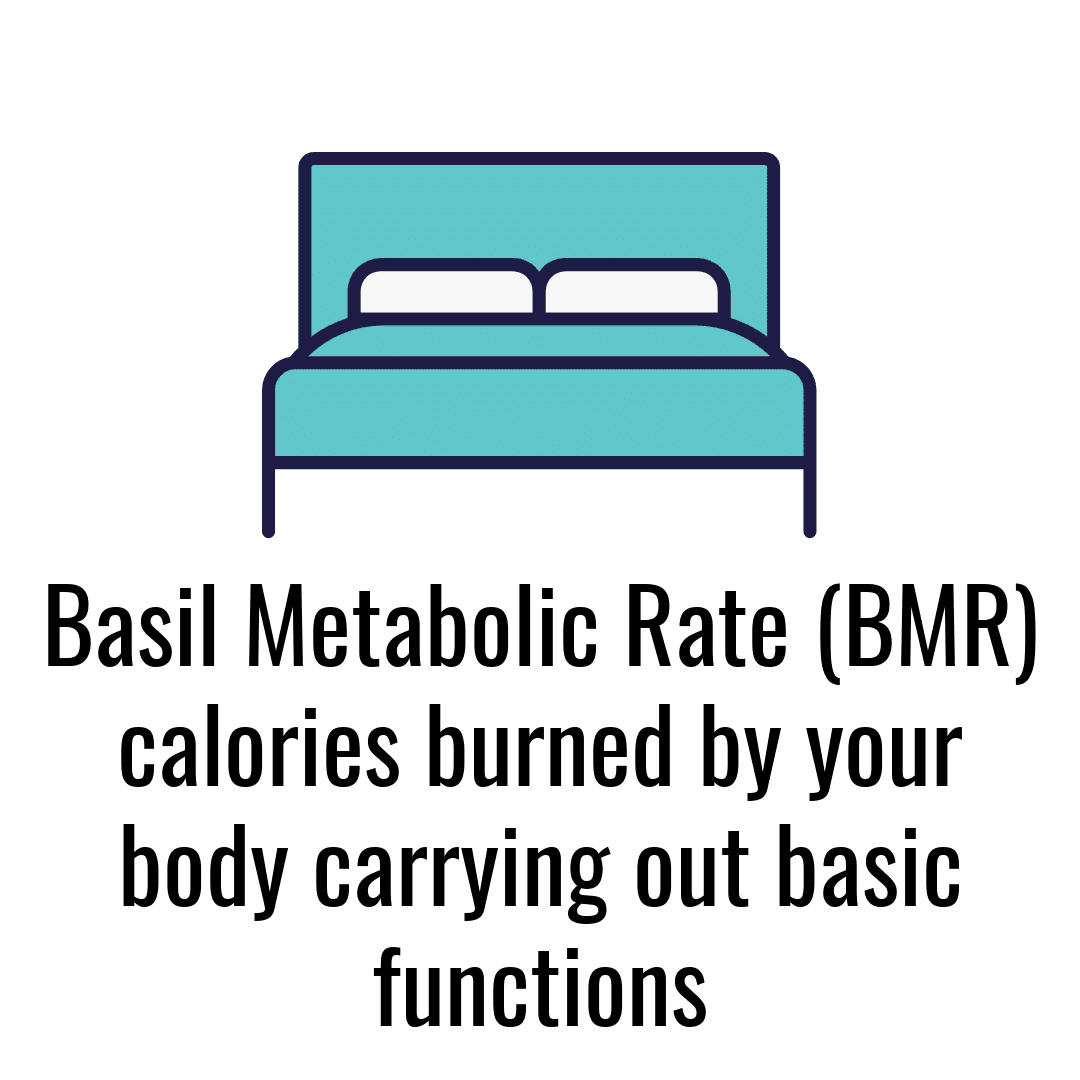
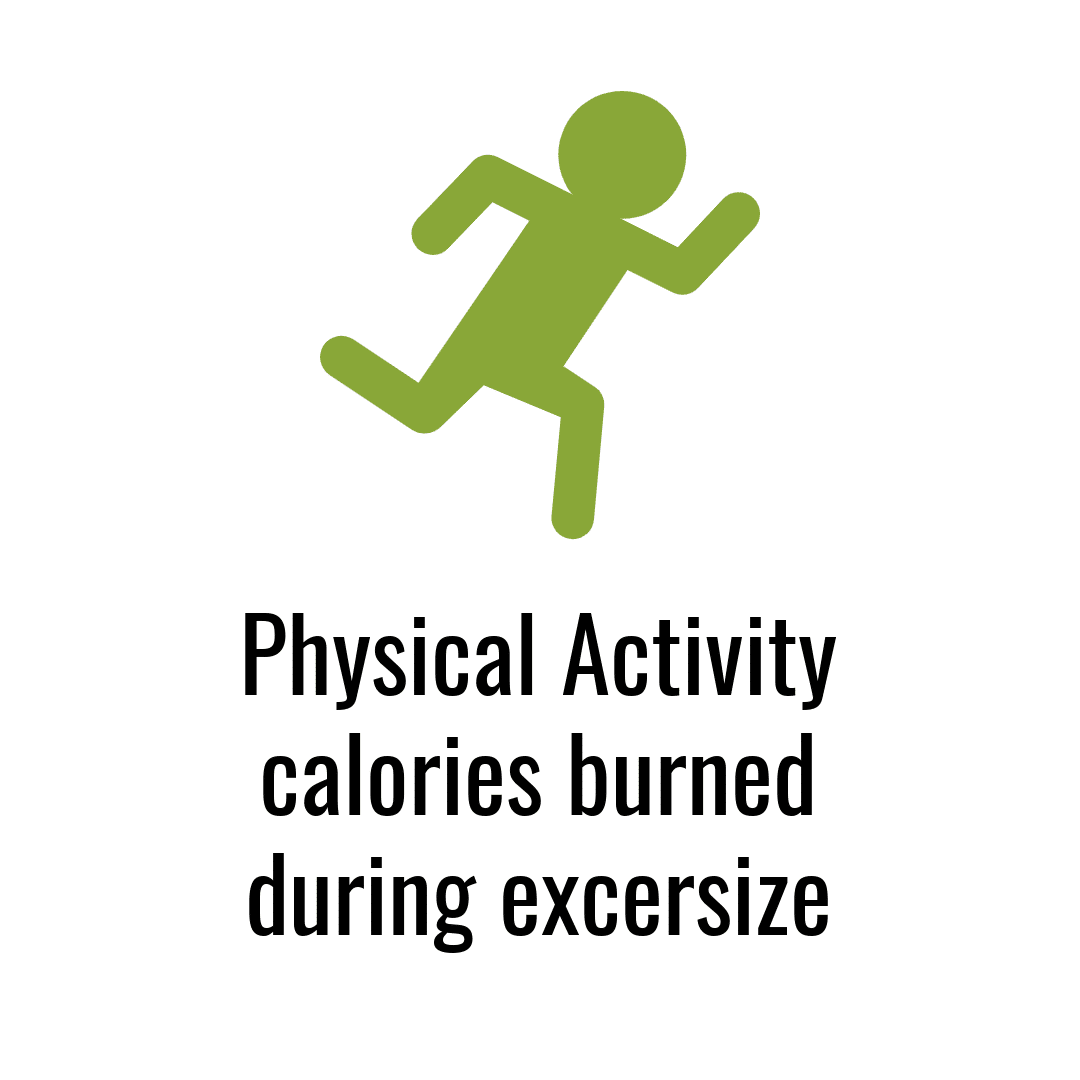
    What exactly is Total Daily Energy Expenditure? (TDEE) Your TDEE is how many calories you burn in a day. It is affected by many things.
    Thermic Effect of Food 

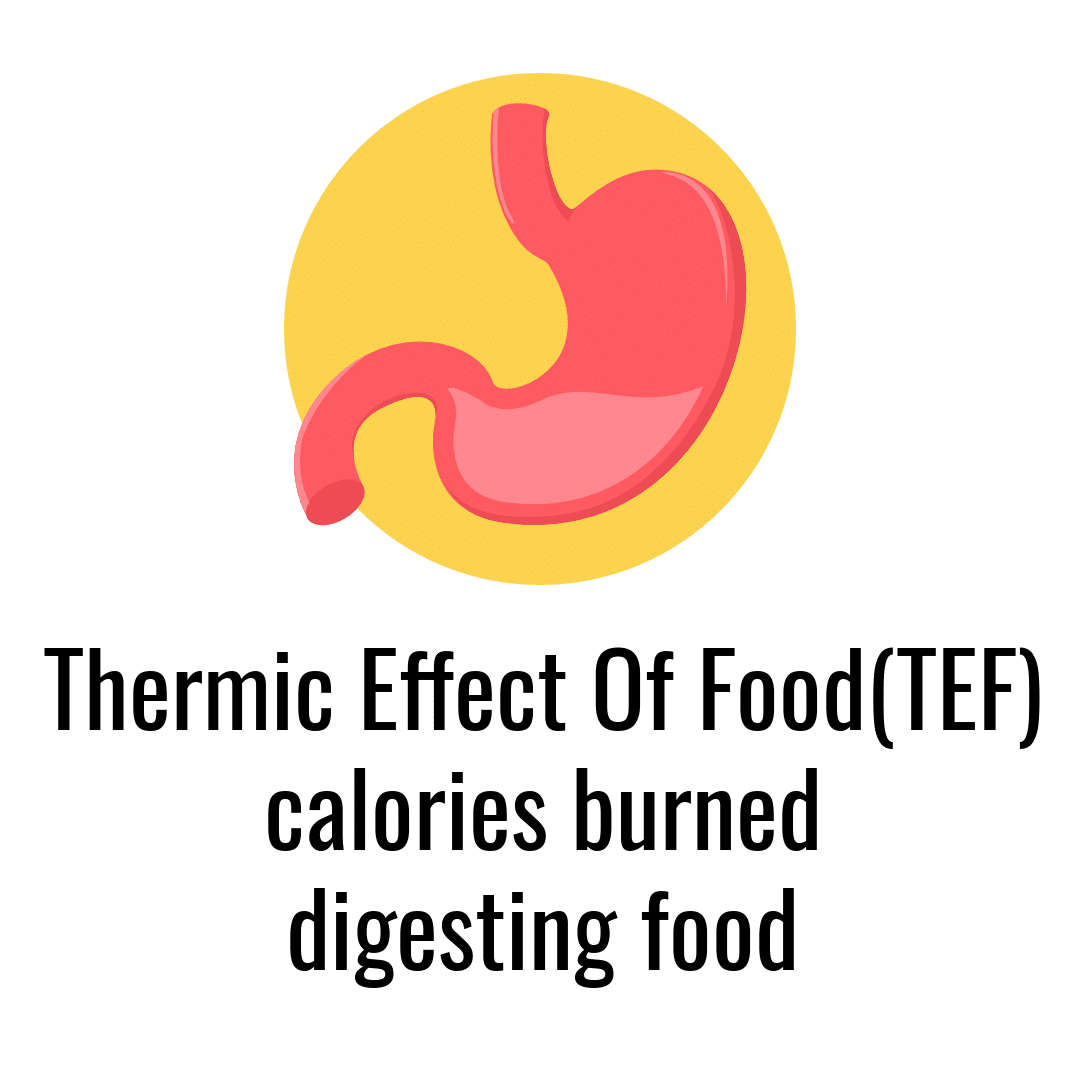
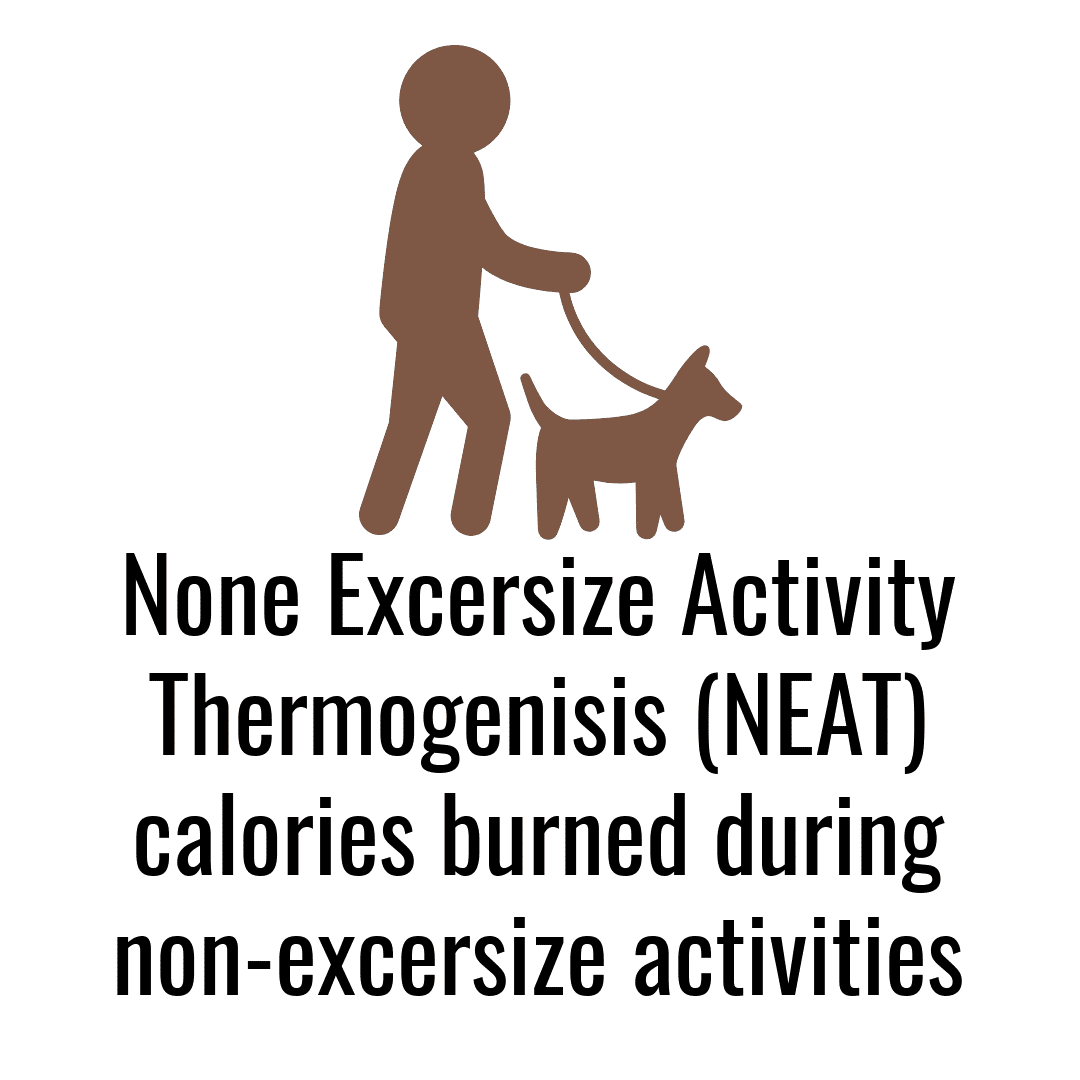
    Thermogenesis or the thermic effect of food (TEF) can be defined as the energy needed to digest, absorb, and dispose of the food you eat. A high thermic food is a food that requires your body to use more energy to digest than it takes to eat. Through a process called diet-induced thermogenesis, high thermic foods cause an increase in metabolic rate, the rate at which your body burns calories. 

    TEF accounts for approximately 10% of our total daily energy expenditure.

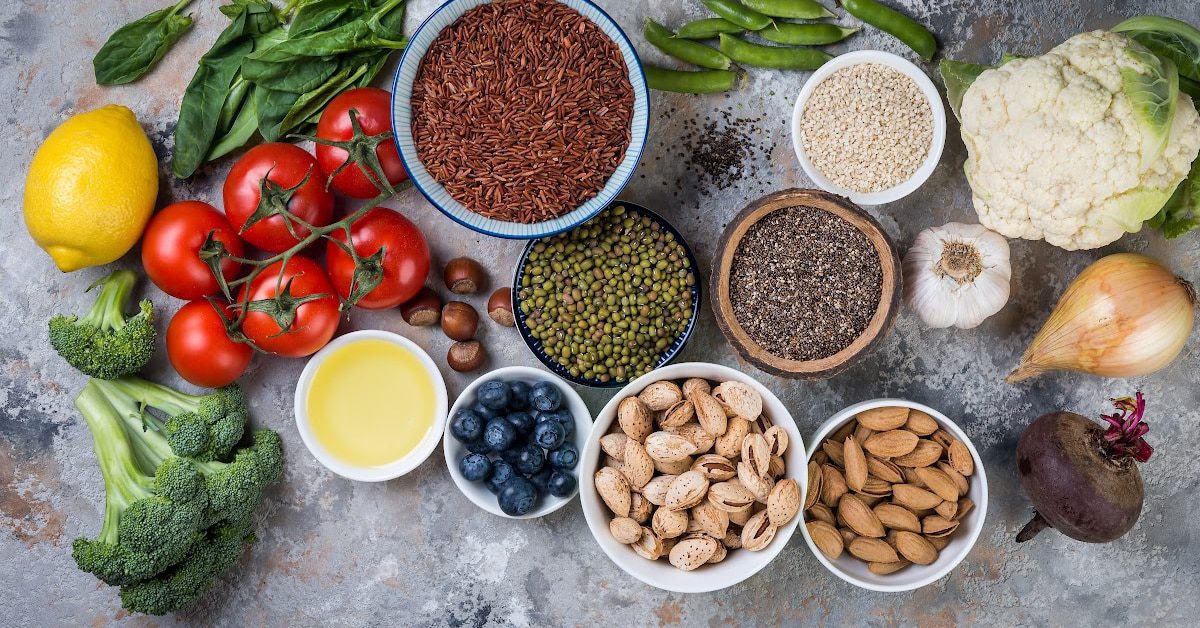
    Certain food groups have higher thermic effects than others. Lean protein foods, such as chicken breast, egg whites, and fish, have the highest thermic effect at almost 30%. This means that if you eat 100 calories of chicken breast, almost 30 of those calories are burned off just to digest it. High fiber and complex carbohydrates, such as fibrous vegetables, brown rice, and oatmeal, have a high thermic effect of around 10%. Fats have the lowest thermic effect at only 3%. Along with fats, simple carbohydrates, such as white rice, bread, pasta, etc. also have a low thermic effect and store easily as fat.
    Carbohydrates

    Barley

    Oats

    Buckwheat

    Quinoa

    Bulgar wheat

    Couscous

    Rice

    Chickpea

    Kidney bean

    Pea


    Protein

    Chicken or turkey

    Tilapia

    Beef

    Eggs 

    Pork tenderloin

    Mutton (fat removed)

    Tuna

    Bison

    Venison

    Cottage cheese or Greek yogurt (low-fat)


    Fats

    Almond

    Peanut 

    Walnut

    Cashew

    Pistachio

    Avocado

    Pecan

    Pumpkin seed

    Flax seed

    Chia seed


    Vegetables

    Broccoli

    Asparagus

    Cauliflower

    Celery

    Lettuce

    Cucumber

    Kale

    Spinach

    Carrot

    Beetroot


    Fruits 

    Orange

    Lemon

    Grapefruit

    Pear

    Mango

    Blueberries

    Raspberries

    Strawberries

    Apple

    Banana 


    Foods with Capsaicin

    Capsaicin is the chemical compound that makes chilies and paprika spicy.

    Sober Sweat Tip: Don’t like spicy foods? Try an over-the-counter Capsaicin supplement!

    Coconut Oil

    Unlike most foods that are made of long-chain fatty acids, this miracle oil is rich in Medium Chain Triglycerides, which are sent to the liver to be converted into energy right away. This increases the rate of metabolism. Consuming coconut oil actually burns energy during digestion compared to other fats.

    Coffee

    Studies have shown that regular coffee consumption can increase the calories you burn while at rest by up to 11%.

    Garlic

    Garlic produces heat in the body causing it to burn off energy during the digestion process.

    Grapefruit 

    This citrus fruit is rich in enzymes and phytochemicals which break down sugar, burn fat in the body, and improves your metabolism.

    Green Tea

    Antioxidants in green tea help break down fat and boost metabolism.

    Water

    Every part of your body needs water to function at its best, including your metabolism. When you’re dehydrated, your body burns up to 2% fewer calories. My daily water goal is 100-120 ounces. 

    Sober Sweat Tip: Drink cold water – your body has to work to increase the liquid to body temperature, which helps you burn more calories!


    Why A Healthy Diet Matters To Those In Recovery

    A recovery diet plan is important because it provides the individual with energy, helps reduce sickness, reduces cravings, and helps the person look and feel better. Because those who struggle with drug and alcohol addiction typically do not take care of their bodies through healthy diets, transitioning to a balanced diet will yield drastic results from the first day.

    The diet of someone in recovery should be hearty enough to provide the energy needed for a day full of activity and rehab, and filled with vitamins and nutrients to help heal and sustain the body. Excessive substance use over months or years attacks the body’s immune system and makes it difficult for the person to absorb the nutrients they do get, and it hinders the person’s ability to process foods. The results are poor appetite, weight loss or gain, gastrointestinal ailments, and mood swings. If poor eating habits are carried into recovery, they can actually impact the person’s ability to stay clean.

    As the individual cleanses their body of the toxic substances they have been using, they need reparative nutrition to rebuild their health. A balanced diet of protein, fresh fruits and vegetables, and whole grains, as well as limited sugar and caffeine, will provide the vitamins and amino acids the body needs to heal and stay energized.

    Benefits of a healthy diet during recovery include:

    • 1. Repair of damage to organs and tissues
    • 2. Improved immune defenses
    • 3. Increased energy
    • 4. Improved mood
    • 5. Reduced risk of relapse due to fatigue or depressed mood

    #ADDTOCART: Shop Ashley’s favorite fitness picks!
    Pull Up Assist Band – Stretch Resistance Band – Mobility Band – Powerlifting Bands – Extra Durable Pull-Up
    Pull Up Assist Band – Stretch Resistance Band – Mobility Band – Powerlifting Bands – Extra Durable Pull-Up
    Farrell’s eXtreme Bodyshaping LEANME Vanilla Bean Protein Powder
    Farrell’s eXtreme Bodyshaping LEANME Vanilla Bean Protein Powder
    Muscle Egg
    Muscle Egg
    CLIF® BLOKS® Energy Chews
    CLIF® BLOKS® Energy Chews
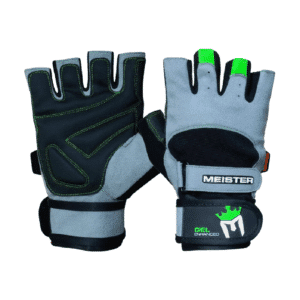
    Meister Men’s Wrist Wrap Weightlifting Gloves w/ Gel Padding
    Meister Men’s Wrist Wrap Weightlifting Gloves w/ Gel Padding
    Meister Women’s Fit Weightlifting Gloves
    Meister Women’s Fit Weightlifting Gloves
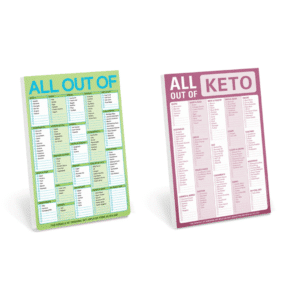
    Knock Knock Brand All Out Of® Pad with Magnet
    Knock Knock Brand All Out Of® Pad with Magnet
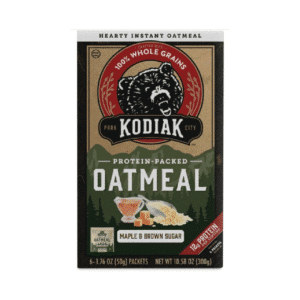
    Kodiak Protein-Packed Oatmeal Single Packs
    Kodiak Protein-Packed Oatmeal Single Packs
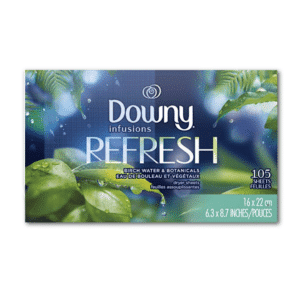
    Downy Infusions Refresh Birch Water & Botanicals Fabric Softener Sheets
    Downy Infusions Refresh Birch Water & Botanicals Fabric Softener Sheets
    My Fitness Pal
    My Fitness Pal
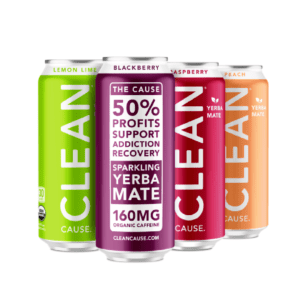
    Clean Cause
    Clean Cause
    Hayabusa T3 Boxing Gloves
    Hayabusa T3 Boxing Gloves
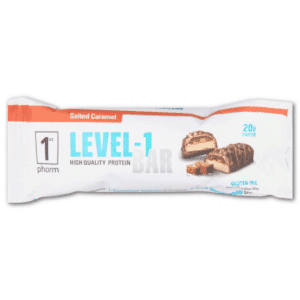
    1stPhorm Salted Carmel Pretzel Protein Bar
    1stPhorm Salted Carmel Pretzel Protein Bar

    SOBER SWEAT: Every Wednesday with Sober Curator Ashley Sunderland bring you the weekly pump to get you over the weekly hump. Quick workouts and nutrition tips that are too legit. (Too legit to quit!)


    Resources Are Available

    If you or someone you know is experiencing difficulties surrounding alcoholism, addiction, or mental illness, please reach out and ask for help. People everywhere can and want to help; you just have to know where to look. And continue to look until you find what works for you. Click here for a list of regional and national resources.

    follow the sober curator on linkedin

    Follow The Sober Curator on LinkedIn

    Share. Facebook Twitter Pinterest LinkedIn WhatsApp Reddit Tumblr Email
    Ashley Sunderland
    • Website
    • Facebook
    • X (Twitter)
    • Pinterest
    • Instagram
    • LinkedIn

    Ashley Sunderland is a Twin Cities-based Licensed Alcohol and Drug Counselor, Certified Prevention Professional, and Peer Recovery Specialist who brings both professional expertise and personal experience to her work. Through compassionate advocacy and evidence-based education, she empowers clients to achieve lasting transformation on their unique recovery journeys. Ashley is at the forefront of normalizing alcohol-free living and advancing wellness-focused lifestyles through her specialized work in the rapidly growing non-alcoholic beverage industry. As a non-alcoholic beverage consultant, she collaborates with brands and influencers to expand quality options for individuals embracing sobriety or mindful consumption, helping to reshape social drinking culture. As a contributing writer and content creator at The Sober Curator, Ashley provides valuable resources and authentic storytelling that makes zero-proof living vibrant, accessible, and celebrated. Her work demonstrates that an alcohol-free lifestyle is both fulfilling and joyful. Ashley is expanding her therapeutic practice to include holistic healing modalities and is currently pursuing certification in Equine-Assisted Therapy. In partnership with Serenity Farm & Stables in Watertown, Minnesota, she is integrating innovative recovery approaches that harness the transformative power of the human-animal bond, providing clients with unique pathways for healing and personal growth. Connect with Ashley to explore her initiatives in the recovery community, the transformative power of equine therapy, her dedication to the non-alcoholic movement, and her mission to raise the bar on what it means to celebrate, socialize, and thrive sans alcohol!

    Related Posts

    Saturday Yoga Series at Union Depot_Sobriety in the City Minneapolis/St. Paul

    Saturday Yoga Series at Union Depot | Sobriety in the City Minneapolis/St. Paul

    June 21, 2024

    Sober Climb Club: Empowering Recovery through Rock Climbing

    May 3, 2024

    SOBER IN ST. PAUL? Recovery Fitness Classes on Mondays + Fridays

    April 14, 2024

    Comments are closed.

    The Sober Curator
    Facebook Instagram X (Twitter) TikTok YouTube Pinterest
    • PRIVACY POLICY
    • LINKS DISCLAIMER
    • EDITORIAL GUIDELINES
    • TERMS OF SERVICE
    • REFUND POLICY
    • DON’T SELL MY INFO
    • DATA SUBJECT REQUEST FORM
    • CONTACT US
    © 2026 The Sober Curator - Benefits of a Alcohol Free Lifestyle

    Type above and press Enter to search. Press Esc to cancel.