
Recovery from addiction deserves recognition. So why doesn’t Hallmark have a section for that yet?
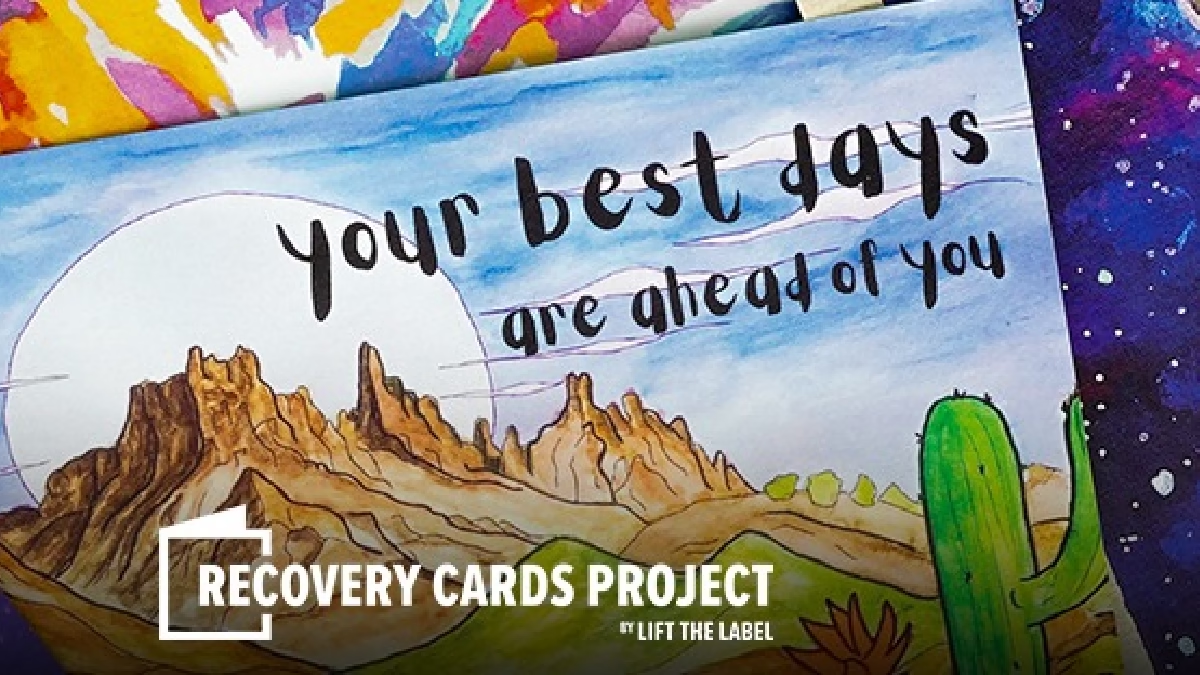
Think about it. There’s a card for every occasion imaginable — your dog’s birthday, your coworker’s retirement, your cousin’s gender reveal (congrats, it’s a boy, again). But when someone you love hits 30 days sober? Or a year? Or five? Or when they’re in the trenches of early recovery and just need to know someone sees them? Good luck finding something in the greeting card aisle that says that.
Enter the Recovery Cards Project, and honestly, I’m kind of obsessed.
What Is the Recovery Cards Project?
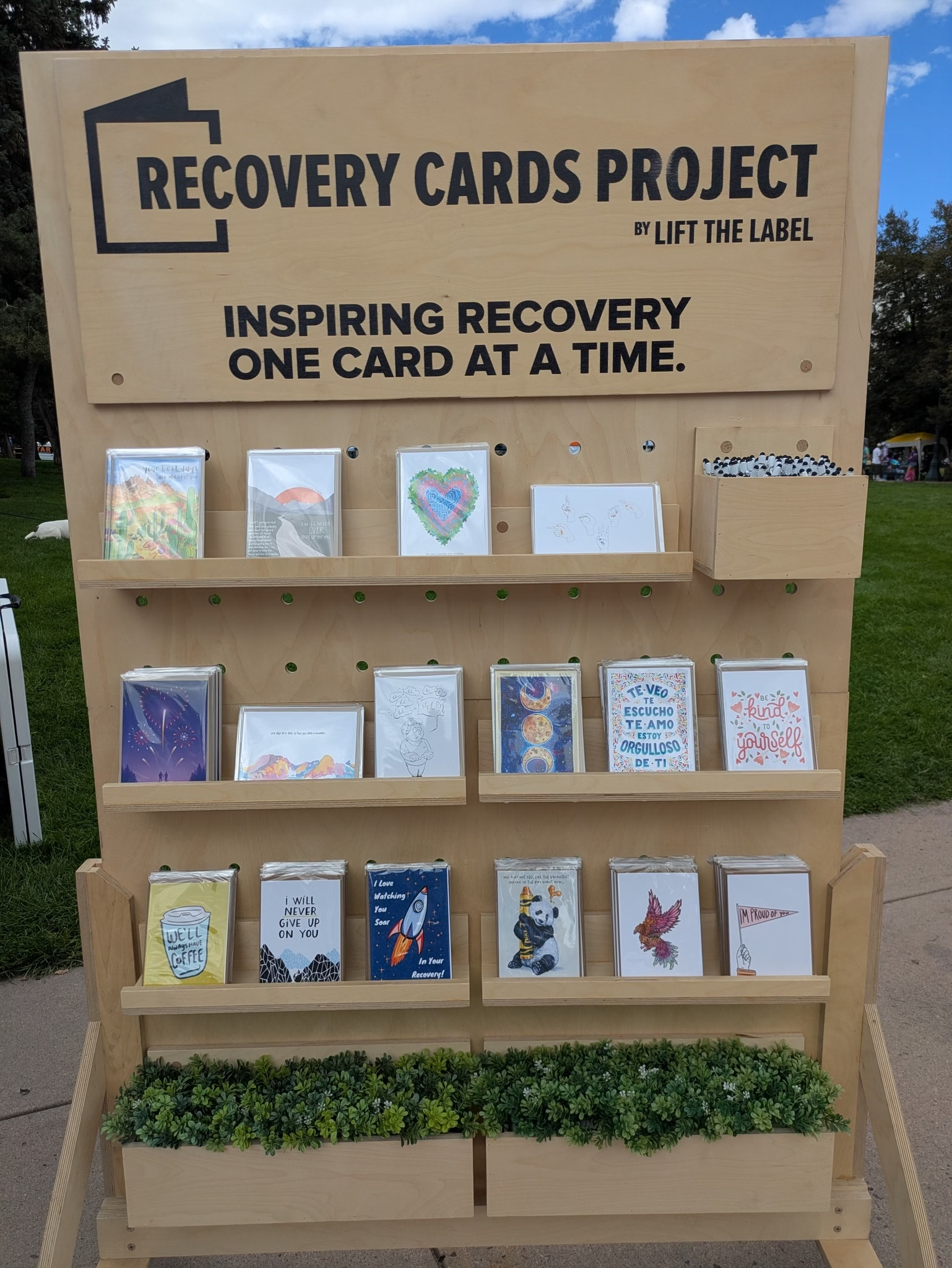
Recovery Cards Project was created to spotlight the importance of recovery from addiction. Working with artists in Colorado and nationwide, the project designed a collection of cards that celebrate recovery, honor the efforts of those working to achieve it, and recognize the people who show up to support and encourage them every single day.
Here’s the part that makes my heart happy: each card is designed by a real artist, and the project features their name, a short bio, and even a video so you can get to know the creative human behind the artwork. It’s not just a card — it’s a connection. And I am HERE for it.
The project is run by Lift The Label, a public awareness campaign that strives to remove the damaging labels and stigma that prevent those with a substance use disorder from seeking effective treatment. The campaign launched in May 2018 and created the Recovery Cards Project in September 2019.
One important note: As a State of Colorado-funded project, physical cards are only available to Colorado residents. BUT — and this is the good news — they have digital options available for everyone. So no matter where you are, you can still send some love.
For more information about the campaign, to request campaign materials, or to request cards for an organization, reach out to cdhs_bha_outreach@state.co.us.
Meet the Artists
One of my favorite things about the Recovery Cards Project is how they spotlight the artists behind the cards. These aren’t mass-produced designs from a corporate art department. These are real people with real stories, and each one brings something deeply personal to their work. Be sure to check out each artist’s video feature on the site — their stories are powerful.
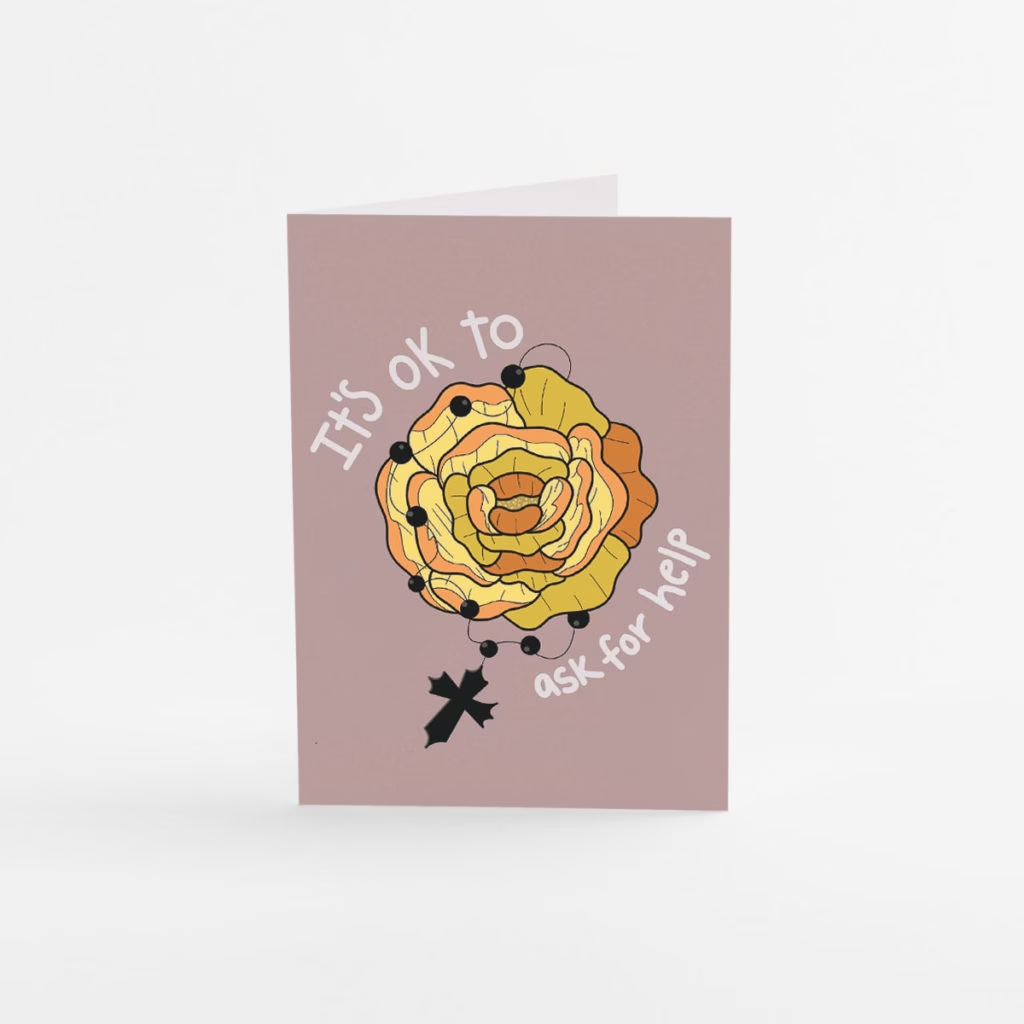
Lo Gomez
Lo blends Renaissance art and gothic elements to express the life experiences that influence their art. Their work has a depth and intensity that feels like it’s telling you something important before you even read the card. Check out their video to hear their story, what the Recovery Cards Project means to them, and how they got involved. Watch their video HERE.
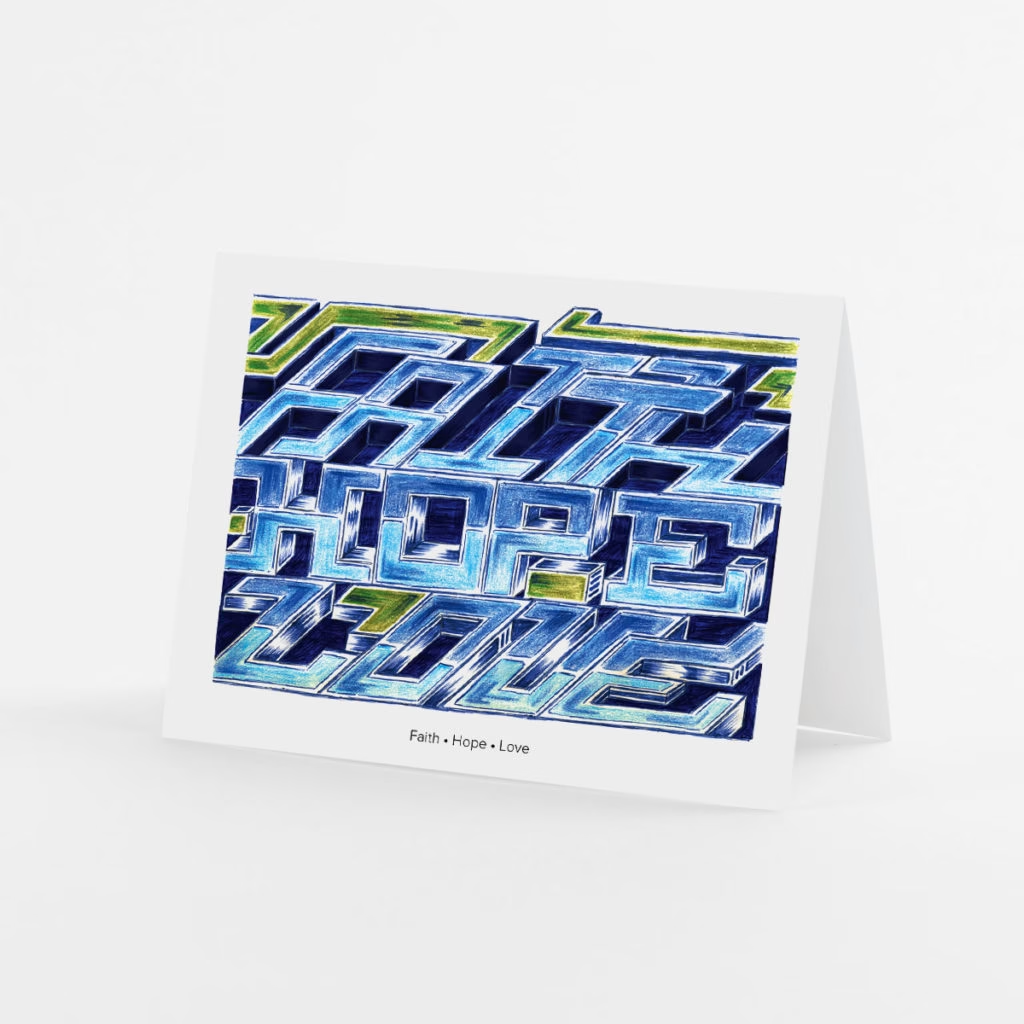
Joseph Stromayer
Joseph is from Gunnison and now lives in Firestone, Colorado. He’s an artist, abstract thinker, and artistic inspiration to his kids and grandkids. There’s something really beautiful about the multigenerational impact of creativity and recovery happening in the same family. Check out his video to learn more about his story and what it means to get involved. Watch his video HERE.
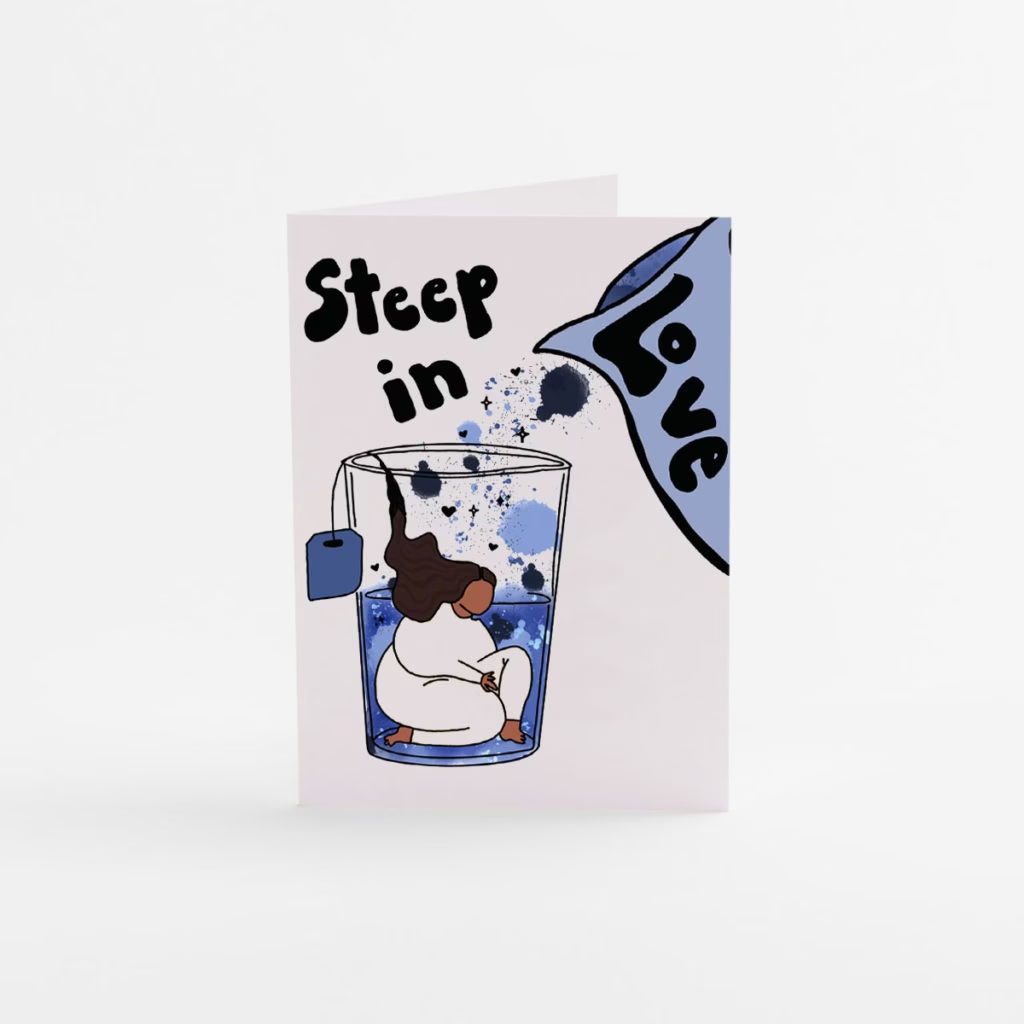
Madison Magor
Madison is an artist, activist, and Denver native. Her passion for harm reduction comes through both in her work and her art, which is exactly the kind of alignment you love to see. Her cards for the project include “Shine Your Light,” “Mira Hasta,” and “Rear View.” Watch her feature to see it all come to life. Watch her video HERE.
Joana Segura
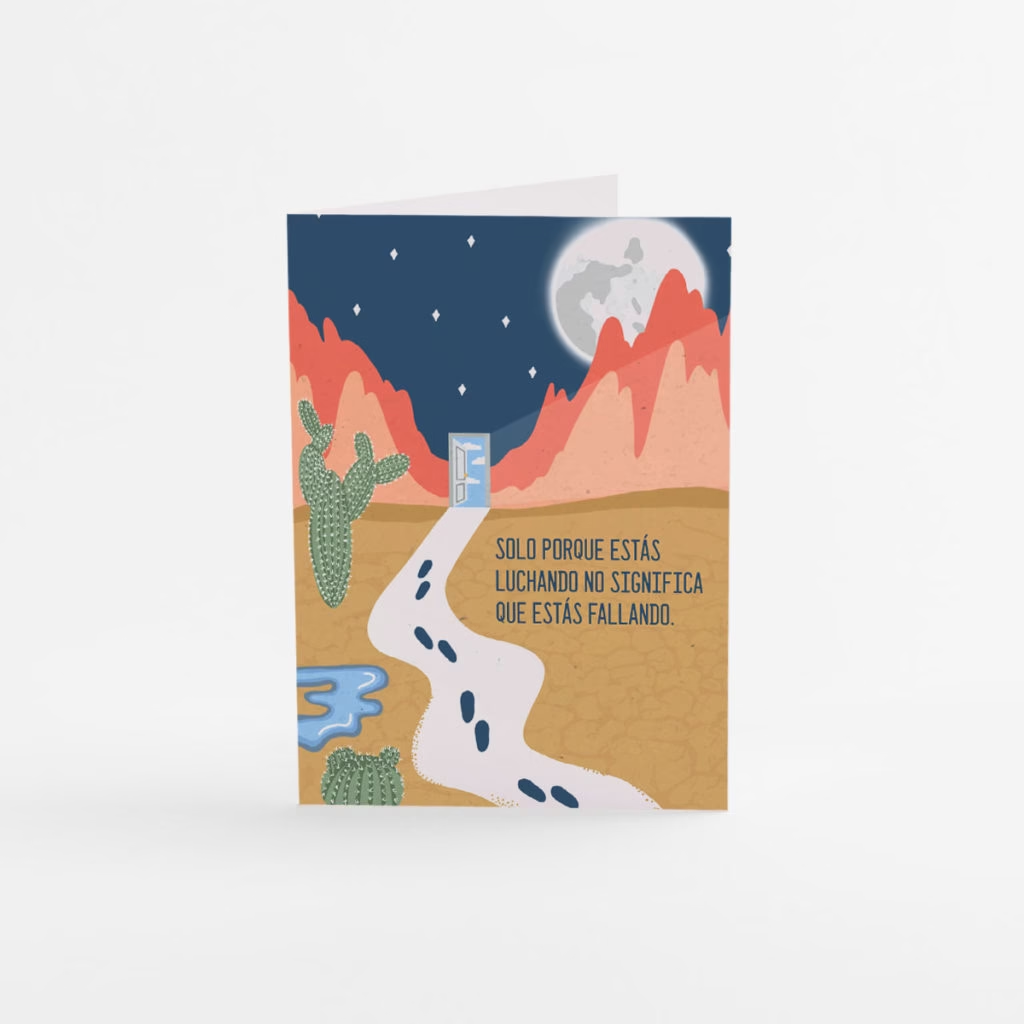
Joana is a local Denver artist, multilingual creative, chicken owner (yes, really), and all-around inspiration. Her card “Un Dia” is available in the gallery, and her video is one of those watch-it-and-smile situations. Find out what the Recovery Cards Project means to her and how she got involved. Watch her video HERE.
Why This Project Matters to Me (and Why It Should Matter to You)
OK, here’s where it gets personal.
Lately, a bunch of my friends have been sending me postcards and letters the good old-fashioned way, and I’m not going to lie — it has really lifted my spirits. There’s something about going to the mailbox and finding something that ISN’T a bill or an advertising insert that just hits different. You know what I mean?
And it got me thinking. Finding cool projects and organizations like the Recovery Cards Project reminds me that I just need to block the time on my calendar — like one hour a week — and make it happen. Write a note. Send a card. Let someone know I’m thinking about them.
One of the things I started doing in recovery years ago was giving three strangers a compliment every day. This was easy to do before COVID changed everything and I started working from home. I still do it whenever I leave the house, but that’s now only a few days a week. Getting back into the practice of mailing notes and postcards feels like a way to fill this need to be in active gratitude — even from my home office.
And since I want to start a Sober Sticker Club (read more about that here), it seems like the stars are aligning. Stickers, cards, snail mail, community — it’s all connected.
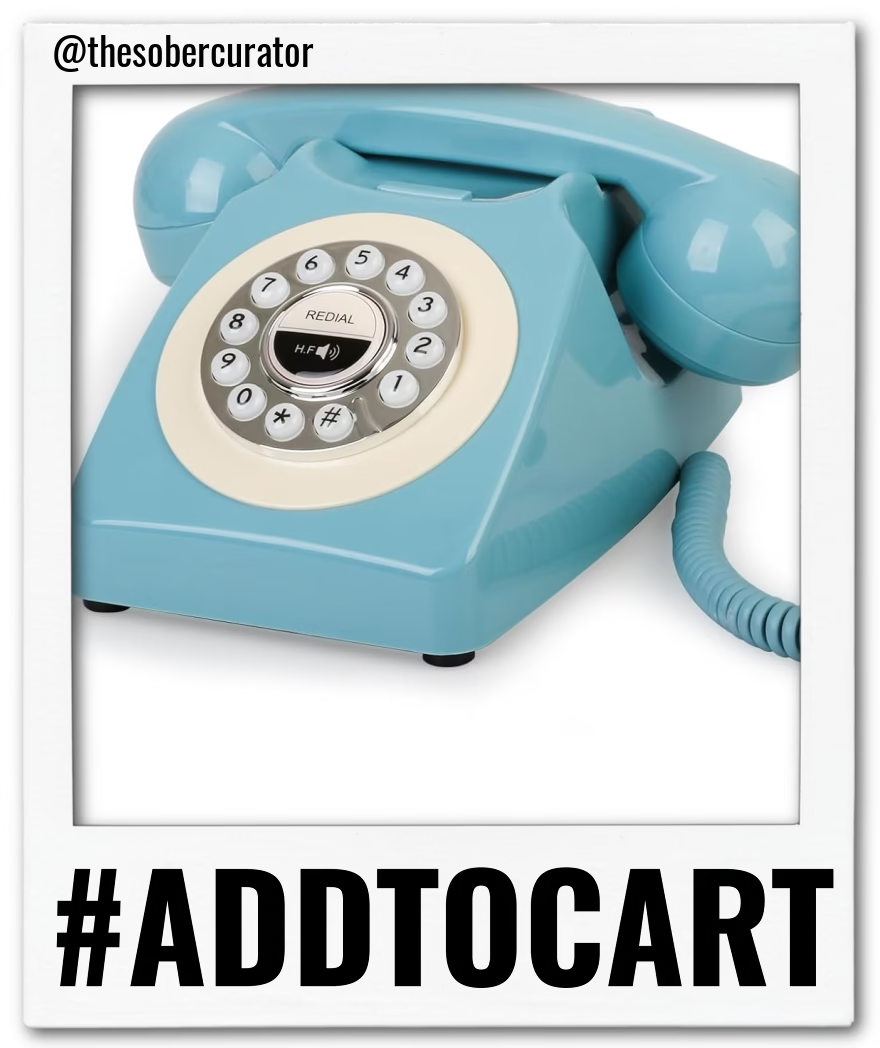
Plus, with everything rolling back to the way it was — Gen Z going to flip phones with no screens (yeah, that’s a thing), IKEA carrying rotary phones that connect to your iPhone (yeah, that’s a thing too – however, I could NOT find it on their actual website, only this Facebook Watch video documentary someone experiencing it in real time) — don’t you think it’s time to go back to mailing cards to the people you care about?
You can even surprise (and embarrass) them by handing it to them in public, like at a coffee shop or a church basement. #IYKYK
For the Artsy Folks Outside of Colorado
For those of you creative types feeling SUPER inspired but you live outside of Colorado (so you can’t order physical cards), don’t let that stop you. The digital options are available to everyone, and honestly, this could be the push you need to start making your own recovery-themed cards or art. If that’s your jam, reach out to the Recovery Cards Project — they’re not currently accepting formal artist applications, but if you’re interested in being an artist for the project, you can contact them and they’ll add you to their list for future outreach.
Colorado, You’re Doing It Right
As the person who’s been curating events across the country for the sober community for the past year, I can tell you that sobriety and recovery is alive and well in the great state of Colorado. I am always finding cool events and experiences there — from music festivals and sporting events to wellness retreats, drag bingo, sober karaoke, and more. The Recovery Cards Project is just one more reason Colorado continues to show up for the recovery community in a big way.
Recovery deserves to be celebrated. And sometimes, all it takes is a simple card to make all the difference.
Have you sent or received a recovery card? We’d love to hear about it. Tag us @thesobercurator and let us know.
Getting sober is hard enough. Finding kick-ass content shouldn’t be.
Resources: Recovery Cards Project | Lift The Label | Contact: cdhs_bha_outreach@state.co.us
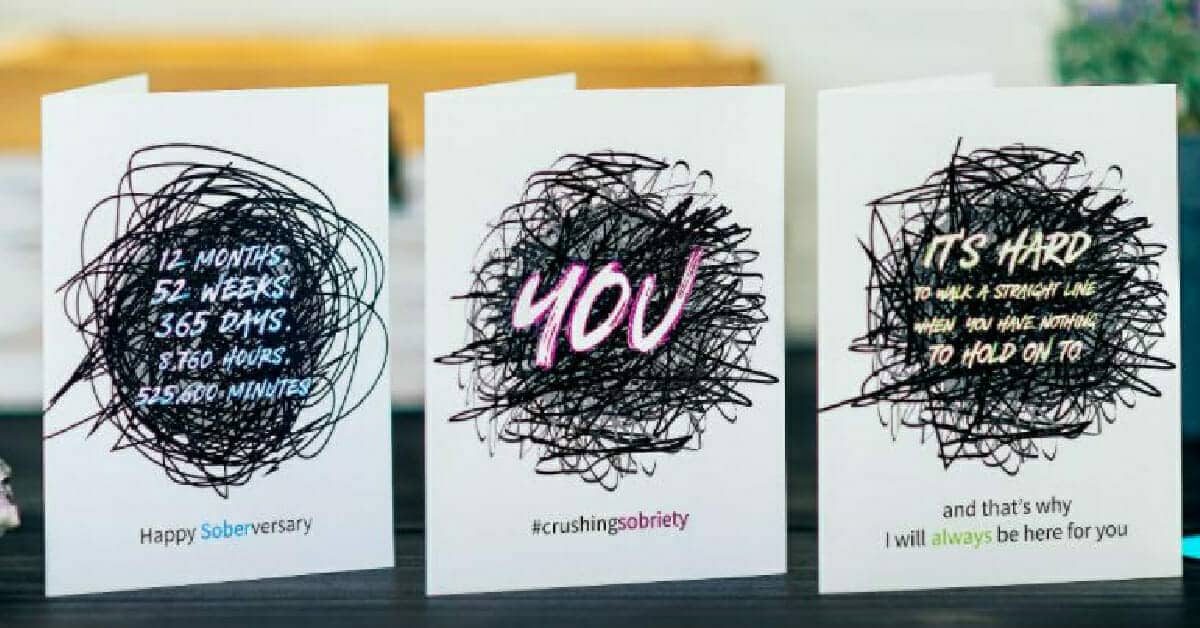
#ADDTOCART: Meet The People Behind Sobriety Cards, Makers Of Irreverent Greeting Cards & Gifts For People In Recovery From Addiction

God, grant us the serenity to #ADDTOCART! Sober retail therapy is our favorite kind of workout—mindful, fun, and community-focused. In this section, you’ll discover unique sobriety gifts, premium recovery swag, and must-have merch we can’t stop raving about. We love featuring small businesses founded by people in recovery, sober creators, and brands that champion mental health and the sober lifestyle. From #QUITLIT reads to stylish glassware and meaningful recovery keepsakes, our curated picks make every purchase a celebration of sober living.
Shop our classic Sober Curator merch on SHOPTHESOBERCURATOR.COM for and explore our TSC Amazon Storefront featuring curated lists packed with gifts, books, and sober essentials.
Resources Are Available
If you or someone you know is experiencing difficulties surrounding alcoholism, addiction, or mental illness, please reach out and ask for help. People everywhere can and want to help; you just have to know where to look. And continue to look until you find what works for you. Click here for a list of regional and national resources.