
Excessive alcohol use leads to significant health risks, including liver damage and sleep disruption. Because of these risks, health and wellness data show that a growing number of adults are actively trying to consume less alcohol. Many people search for sober books when they start lifestyle changes, join alcohol-free challenges, experience burnout, or enter recovery transitions. These books usually cover emotional regulation, alcohol dependency patterns, habit loops, social pressure, and daily routines.
The structure of this guide is based on expert recovery reading lists and bestseller analyses. We also used insights from research on the summary library to select the most impactful titles. Many people use short nonfiction summaries during recovery periods because concentration and emotional energy fluctuate during habit change. The summary of ‘The Mountain Is You‘ helps readers understand these mental shifts. Let’s check and review which books fit you!
1. ‘Quit Like a Woman’ by Holly Whitaker Helps You Examine Drinking Culture
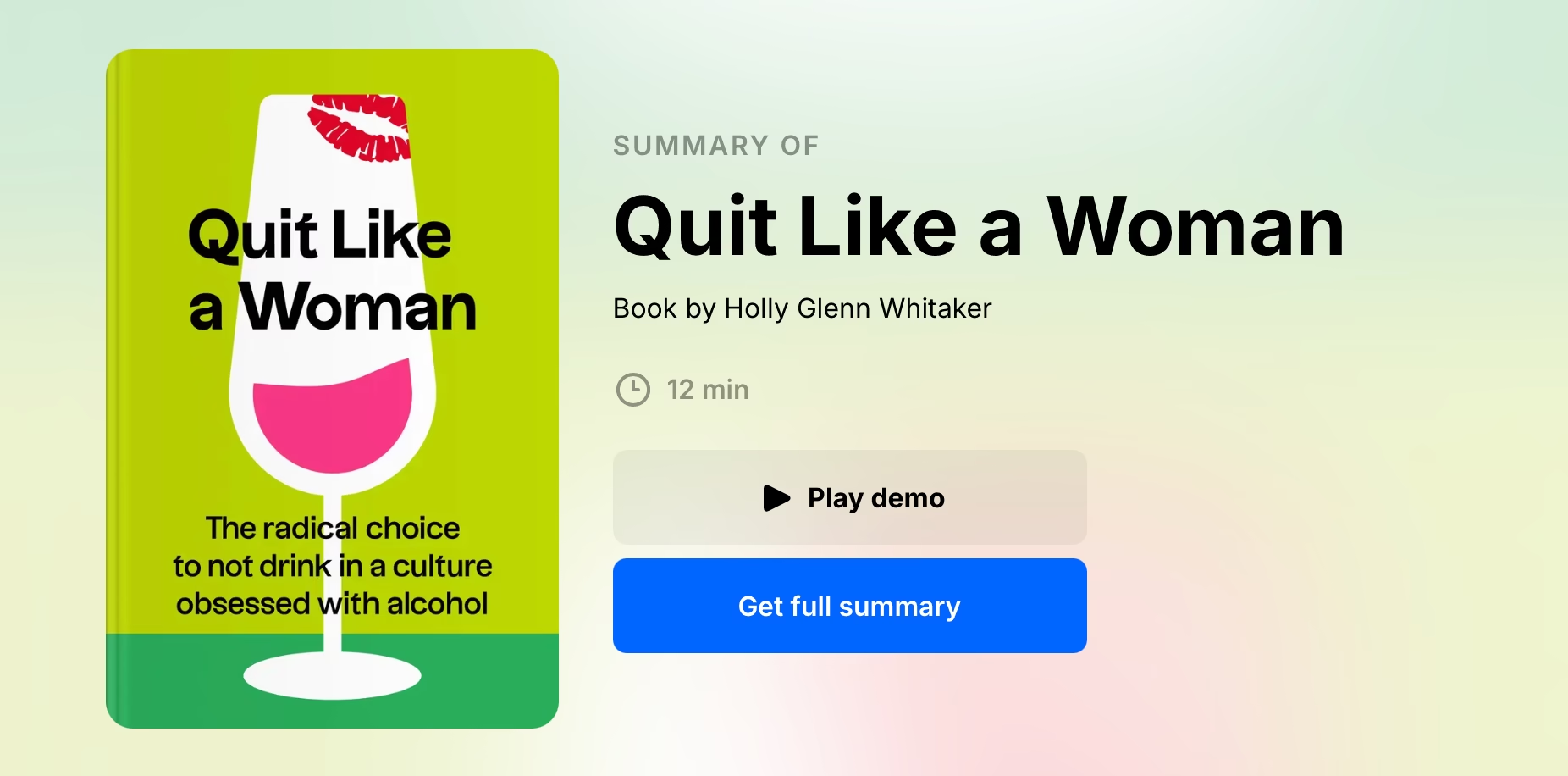
This book discusses how the alcohol industry targets marketing directly toward women. Holly Whitaker explains the social pressure to drink that many women face in professional settings. She examines how wellness culture combines with alcohol habits, which causes emotional exhaustion.
The text includes data from the Centers for Disease Control and Prevention regarding female alcohol consumption trends. This connects with the sobriety trend, showing a rise in non-alcoholic beverage sales. You can read short sections of this book during your morning routine resets.
Readers often highlight sections about emotional triggers and habit cues. This practice helps you identify repeated drinking environments and behavioral patterns in your own life. The structure of the book supports gradual reading sessions:
- Personal recovery narrative with a documented sobriety timeline
- Cultural analysis connected to the advertising and wellness industries
- Exercises focused on emotional awareness
- Discussion prompts for journaling routines
2. ‘This Naked Mind’ by Annie Grace Helps You Reframe Alcohol Habits
Annie Grace focuses on the subconscious associations people have with alcohol. The text uses cognitive reframing methods to alter deep-seated beliefs about drinking. It incorporates research on behavior repetition to show how habits form in the brain.
Because concentration fluctuates during withdrawal or stress periods, some readers combine audiobook listening with sobriety reading routines. You can check Speechify reviews to see how audio tools assist with focus during habit changes.
Additionally, this book is useful during early sobriety periods when cravings appear after work or during weekends. Many readers return to specific chapters repeatedly to reinforce the concepts. After reading, you will become more aware of automatic drinking thoughts. The chapters use short explanations and repetitive reinforcement:
- Cognitive behavior framing
- Repeated alcohol association analysis
- Reflection questions after chapters
- Simple chapter length for short reading sessions
3. ‘The Unexpected Joy of Being Sober’ by Catherine Gray Gives You Daily Perspective Shifts
Catherine Gray describes the emotional transitions that occur after you quit alcohol. She addresses:
- Loneliness
- Social identity shifts
- The process of rebuilding routines
The book uses sober community context from UK recovery surveys. It also includes data from mental health organizations regarding life satisfaction after alcohol. This helps readers see the positive outcomes of sobriety. The book is helpful during the first months of alcohol-free living. The humor and conversational tone reduce reading fatigue, which keeps you engaged. The structure moves between memoir and practical observations:
- Recovery memoir format
- Social habit discussions
- Emotional adjustment examples
- Practical observations about alcohol-free routines
4. ‘Atomic Habits’ by James Clear Helps You Build Alcohol-Free Routines
James Clear explains habit loops in practical terms that apply to sobriety. He connects behavior change with:
- Cue removal
- Environment shaping
- Repetition tracking
The book can help you replace drinking habits with healthy routines by changing your environment. Also, many readers use habit tracking systems during alcohol-free challenges. Your morning routines become easier to stabilize when you use visible repetition systems.
You can apply one behavior adjustment per week to avoid overwhelm. This system helps you become more consistent with sleep and planning routines. The book organizes behavior change into short frameworks and offers examples.
The book also acknowledges that sobriety looks different for different people. Some readers explore fully alcohol-free lifestyles, while others research approaches like the California sober meaning. It is a term commonly used to describe avoiding alcohol while still using cannabis in moderation. Many people also look to public figures and sober celebrities for examples of how long-term habit change can improve focus, health, creativity, and emotional stability.
5. ‘The Mountain Is You’ by Brianna Wiest Helps You Understand Self-Sabotage
Brianna Wiest explains self-sabotage in emotional and behavioral terms. She connects alcohol habits with emotional avoidance patterns, showing how drinking is often a coping mechanism. Many readers use this reflective nonfiction book during recovery journaling sessions. The text helps you face uncomfortable feelings without resorting to substances.
The material is useful after your first sobriety milestone when emotional patterns become more visible. Readers often revisit highlighted sections repeatedly when they feel stuck. You can pair the journaling prompts with your existing therapy exercises. This process helps you identify repeated emotional triggers connected to alcohol habits. Additionally, the book combines short reflection sections with behavior observations:
- Emotional pattern discussions
- Self-awareness exercises
6. ‘Dry’ by Augusten Burroughs Shows the Messier Side of Recovery
This memoir focuses on chaotic recovery experiences and relapse realities. Augusten Burroughs shares his personal rehab experience without hiding the difficult parts. Memoir-based recovery books help readers feel grounded during difficult periods because they show real struggles.
The storytelling structure keeps your reading momentum steady. Readers often pick memoirs when clinical recovery books feel emotionally distant. While reading, you can pause to reflect on personal parallels in your own life. Also, the book helps normalize imperfect recovery paths, which reduces shame. When reading a book, you will find personal rehab experiences, family relationship dynamics descriptions, workplace drinking culture observations, and more. You can connect sober reading with your morning routine checklist, wellness tracking, alcohol-free challenges, and emotional regulation.
Build a Routine Around Sober Books
This sober books list helps you compare memoir-style recovery books, habit-focused books, neuroscience explanations, and emotional healing frameworks. You can read these books during your commute as they provide guidance during alcohol-free tracking periods.
Many readers combine full books with shorter nonfiction formats and microlearning sessions because attention and energy fluctuate during lifestyle changes. You can also save sober quotes and highlights from the books that help you stay focused during difficult days. Short reminders often make routines easier to maintain, especially during the first months without alcohol.
You can start with one title that matches your current energy level and daily routine. A short, practical book usually feels easier to finish, and finishing one book helps build momentum for the next one!
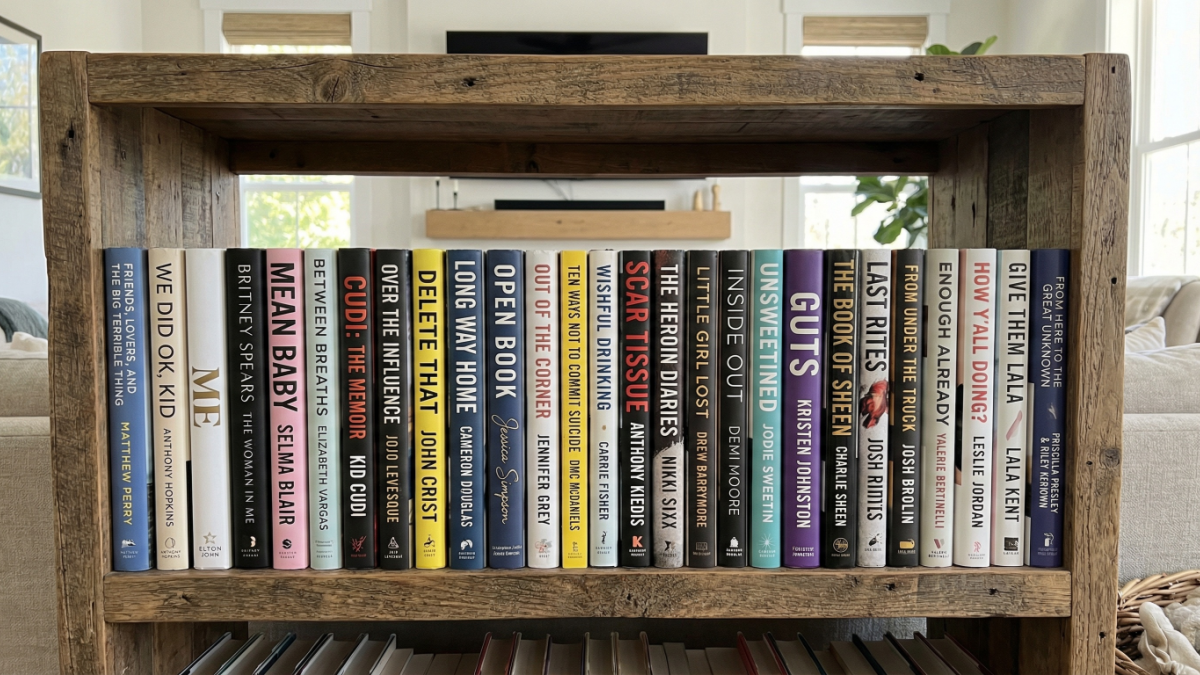
#QUITLIT: Sober Celebrity Memoirs Worth Reading: Books Written by People Who’ve Actually Been There
TSC LIBRARY: Welcome to The Sober Curator Library! This isn’t your average stack of books—we’re talking full-on story immersion, Audible binges, and reviews with personality. Browse our four go-to genres: #QUITLIT, Addiction Fiction, Self-Help, and NA Recipe Books. And if you’re collecting recovery reads like rare trading cards, check out our Amazon #QUITLIT list—Early Sobriety Survival: Books for Your First 90 Days.
📘 Submit a Book for our #QuitLit Library: Welcome to the largest culturally-driven sober book collection on the internet. Memoir, fiction, criticism, quit lit, anything that fits a Gen X or Millennial sober reader past initiation. Submit your book →

God, grant us the serenity to #ADDTOCART! Sober retail therapy is our favorite kind of workout—mindful, fun, and community-focused. In this section, you’ll discover unique sobriety gifts, premium recovery swag, and must-have merch we can’t stop raving about. We love featuring small businesses founded by people in recovery, sober creators, and brands that champion mental health and the sober lifestyle. From #QUITLIT reads to stylish glassware and meaningful recovery keepsakes, our curated picks make every purchase a celebration of sober living.
Shop our classic Sober Curator merch on SHOPTHESOBERCURATOR.COM for and explore our TSC Amazon Storefront featuring curated lists packed with gifts, books, and sober essentials.
🛍️ Submit a Product for Review NA beverages, sober-friendly tools, alcohol-free brands, and products built for the way our audience actually lives. Submit your product →
Resources Are Available
If you or someone you know is experiencing difficulties surrounding alcoholism, addiction, or mental illness, please reach out and ask for help. People everywhere can and want to help; you just have to know where to look. And continue to look until you find what works for you. Click here for a list of regional and national resources.

Follow The Sober Curator on Facebook
Disclosure: This is a sponsored post. The Sober Curator may receive compensation for publishing this content, but all editorial decisions remain our own.
What are sober books?
Sober books are books that explore sobriety, alcohol-free living, recovery, habit change, drinking culture, emotional regulation, and personal transformation. They may include memoirs, self-help books, neuroscience-based guides, or practical lifestyle books.
What are some essential sober books for beginners?
Popular sober books for beginners include Quit Like a Woman by Holly Whitaker, This Naked Mind by Annie Grace, and The Unexpected Joy of Being Sober by Catherine Gray. These books help readers understand drinking culture, alcohol habits, cravings, social pressure, and the emotional shifts that can happen when choosing an alcohol-free lifestyle.
Is Atomic Habits a sober book?
Atomic Habits by James Clear is not specifically a sobriety book, but it can be very useful for sober and sober-curious readers. Its lessons on cue removal, environment design, habit loops, and repetition can help people build alcohol-free routines and replace old patterns with healthier ones.
Why do people read quit lit during sobriety?
People often read quit lit during sobriety because it helps them feel less alone. These books can offer personal stories, practical tools, emotional insight, and language for experiences that may be difficult to explain. Quit lit can also support motivation during alcohol-free challenges, early recovery, or long-term lifestyle changes.
What sober book helps with drinking habits?
This Naked Mind by Annie Grace is often recommended for readers who want to reframe their relationship with alcohol. The book focuses on subconscious beliefs, alcohol associations, and the thought patterns that keep drinking habits in place.
What sober book explores women and drinking culture?
Quit Like a Woman by Holly Whitaker examines alcohol marketing, wellness culture, gender expectations, and the social pressure many women experience around drinking. It is a strong choice for readers interested in the cultural side of sobriety.
What book helps with self-sabotage in recovery?
The Mountain Is You by Brianna Wiest can help readers explore self-sabotage, emotional avoidance, and recurring behavioral patterns. While not only about sobriety, it can be useful for recovery journaling and self-reflection.
What is a good recovery memoir to read?
Dry by Augusten Burroughs is a recovery memoir that explores the messier side of sobriety, rehab, relapse, relationships, and personal change. Memoirs like this can help readers feel grounded because they show that recovery is not always neat or linear.
How can sober books support a healthier lifestyle?
Sober books can support a healthier lifestyle by helping readers understand their habits, recognize emotional triggers, build routines, improve self-awareness, and stay connected to recovery-focused ideas. They can also provide encouragement during periods of stress, burnout, or major lifestyle change.
Should I read full sober books or shorter summaries?
Both can be useful. Full books offer deeper context and storytelling, while shorter summaries can help when attention, time, or emotional energy is limited. During recovery or lifestyle change, many readers benefit from mixing full books with short, manageable reading sessions.