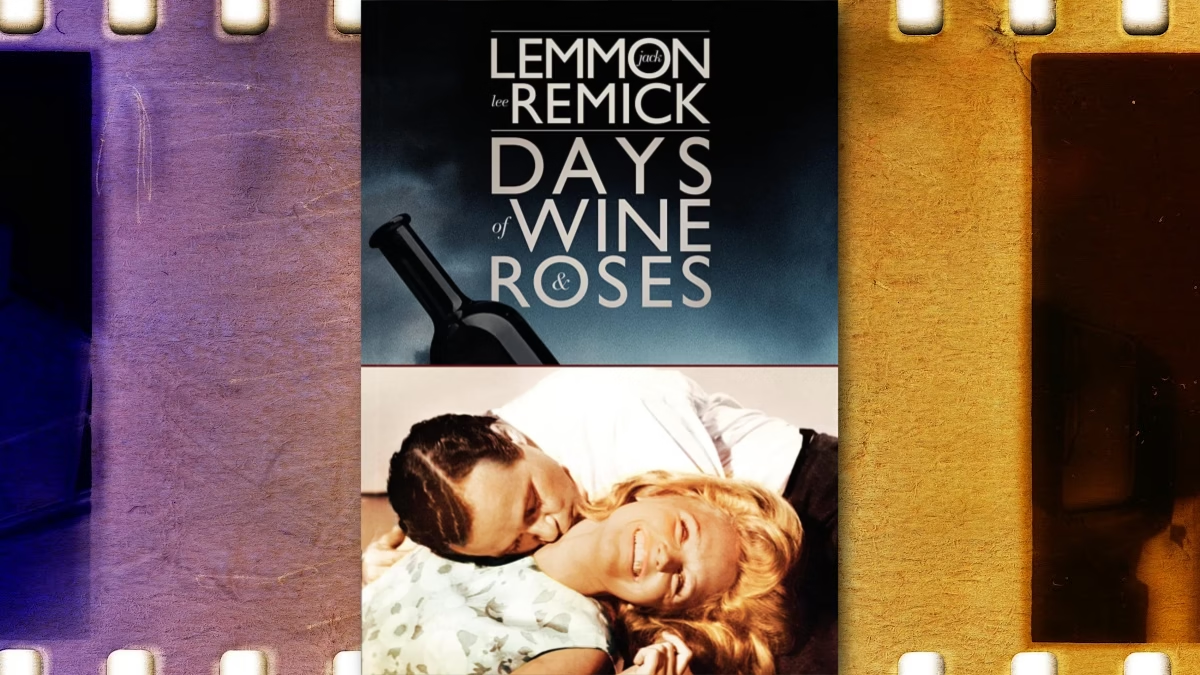
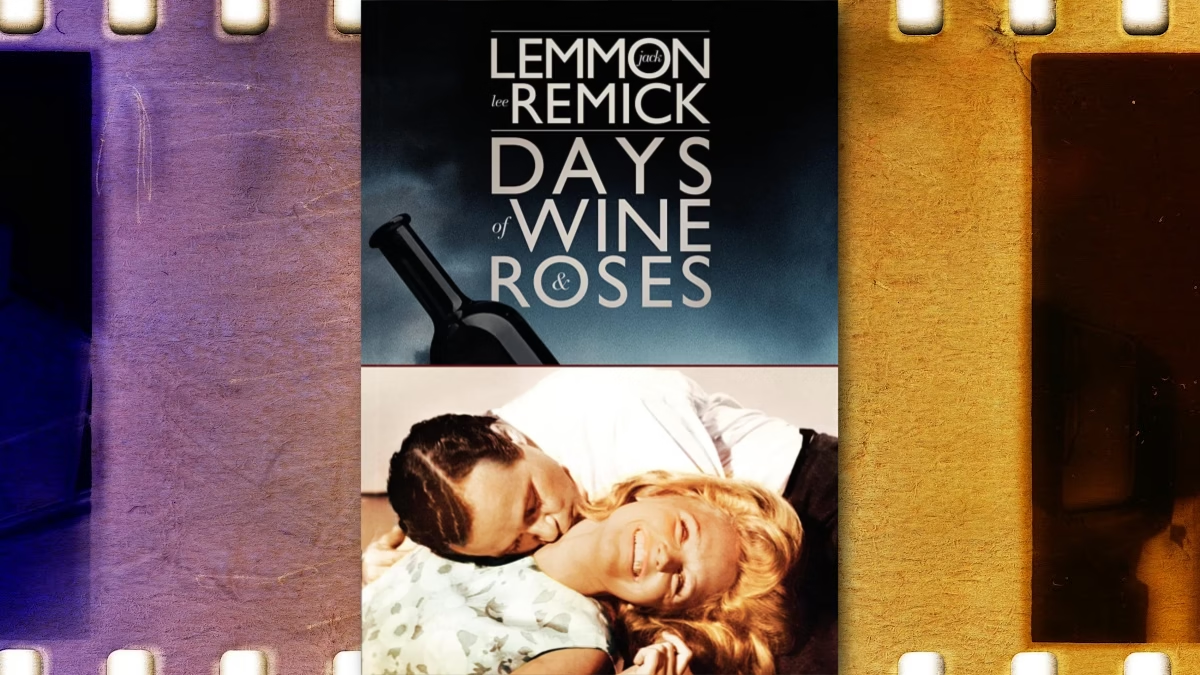
I was thirteen, watching Jack Lemmon destroy his life in black-and-white on our old RCA TV while my mother drank Jim Beam in the next room. I considered it an old movie, but the power of it was palpable … and painful, as I was watching my own mother slowly dying ofthe disease.
‘Days of Wine and Roses’ is widely considered one of the definitive classic films addressing alcoholism: A bare-knuckled drama offers a devastating look at the impact of substance abuse on a marriage and personal lives.
The movie remains one of the most unflinching portrayals of alcoholism ever committed to film. Jack Lemmon and Lee Remick are startling in their portrayal of two people being consumed by addiction. Even as an adolescent, I watched with a quiet, creeping dread, as the couple tumble toward hollow-eyed addiction with devastating realism. Henry Mancini’s haunting title song provides an almost cruel irony against the wreckage onscreen. I still get a knot in my stomach when I hear that song.
What made the film extra painful for me to watch was its refusal to romanticize or simplify. I wanted hope for my mother, but I only witnessed the characters’ self-destruction. The film also showed the painful asymmetry of recovery – showing a couple that love each other deeply, but cannot save each other. I had a friend then, whose own mother was in recovery. I asked her mother if she could help my mother, but she said that my mother had to ask for it herself. And I knew that she would never do that. The film magnified the pain of knowing that my own love couldn’t save her, it was unbearable. My mother died three years after I saw the film, when I was sixteen years old.
What gives the film an added layer of poignancy, in retrospect, is what we now know about Lemmon himself. During production, Lemmon was a heavy drinker, and he sought help from Alcoholics Anonymous long after the film wrapped. Years later, on Inside the Actors Studio, Lemmon publicly admitted he was a recovering alcoholic and was regularly attending AA.
Over fifty years later, and I still mourn the fact that I couldn’t save my mother. Unlike Lemmon … and unlike me, my mother never found the life-saving support of AA.
Movie Night with The Sober Curator Sobees Score: 3.5 out of 5

Days of Wine and Roses (1962) Official Trailer – Jack Lemmon Movie

SOBRIETY IN THE CITY: Review of “Days of Wine and Roses” on Broadway for The Sober Curator

MOVIE NIGHT WITH THE SOBER CURATOR: is your go-to guide for films and documentaries that intricately weave addiction, recovery, and mental health into powerful storytelling. Think of us as your bee-zy movie critics, curating a hive of must-watch titles that inspire, educate, and spark conversation.
Our review archives are neatly organized into Drama, Dramedy, and Documentary categories, making it easy to find your next captivating watch. Whether you’re in the mood for a heartfelt indie, a laugh-through-the-tears comedy, or a thought-provoking doc, we’ve got you covered.

SOBER ENTERTAINMENT: The Raw Reality of the Spiral: Portraying Addiction and Alcoholism in Modern Theatre

SOBERSCRIBE NOW!
Resources Are Available
If you or someone you know is experiencing difficulties surrounding alcoholism, addiction, or mental illness, please reach out and ask for help. People everywhere can and want to help; you just have to know where to look. And continue to look until you find what works for you. Click here for a list of regional and national resources.

Follow The Sober Curator on TikTok
What is Days of Wine and Roses about?
Days of Wine and Roses is a classic film about alcoholism, marriage, and the devastating impact addiction can have on two people who love each other but cannot save each other. Starring Jack Lemmon and Lee Remick, the film is widely regarded as one of cinema’s most unflinching portrayals of substance abuse.
Why is Days of Wine and Roses important in recovery culture?
Days of Wine and Roses is important because it refuses to romanticize alcoholism. The film shows addiction as progressive, destructive, and deeply painful, not only for the person drinking but also for the people who love them. For many viewers affected by addiction, the film remains emotionally difficult but powerfully honest.
How does Patti Clark connect Days of Wine and Roses to her own life?
Patti Clark writes about watching the film at age thirteen while her mother was drinking in the next room. The movie’s depiction of alcoholism felt painfully close to her own reality, especially because her mother died from the disease three years later, when Patty was sixteen.
Does Days of Wine and Roses show recovery?
Yes, but not in a simple or easy way. The film shows the painful asymmetry of recovery, especially when one person seeks help and another person cannot or will not. Patti reflects on the heartbreaking truth that love alone cannot save someone from addiction if they are not ready or able to ask for help.
Was Jack Lemmon in recovery?
Jack Lemmon later publicly shared that he was a recovering alcoholic and attended Alcoholics Anonymous. This adds another layer of poignancy to Days of Wine and Roses, given his powerful performance as a man being consumed by alcohol.
Who should watch Days of Wine and Roses?
Days of Wine and Roses may resonate with people in recovery, Adult Children of Alcoholics, family members affected by addiction, classic film fans, and anyone interested in honest portrayals of alcoholism on screen. Because the film is emotionally intense, viewers with personal experience around addiction may want to watch with care.