

There’s a sobriety moment, months or years in depending, when fog lifts: clear thinking, sharp memory, steady emotions… and I remember thinking: “This is what my brain is supposed to feel like.” And immediately after that thought came another: “What else have I been missing? What else could feel this good?”
That sparked cellular health exploration, where sobriety synergizes with mitochondrial support, amplifying benefits for women over 40 amid hormonal shifts and accelerated aging. That is to say, if you haven’t already quit at 40, it is a real damn good time to consider it before the hormonal seasons start to shift so to speak.
That question launched me into exploring cellular health, arguably the foundational level of wellness that determines how we age, how we feel, and how vibrantly we move through our lives. What I discovered is that sobriety and cellular optimization aren’t just compatible; they’re synergistic. The mental clarity that comes from removing alcohol amplifies the benefits of every other health practice, while supporting your cells creates the energy and resilience needed to maintain sobriety long-term.
For women over 40, this connection becomes particularly powerful. We’re at a life stage where cellular aging accelerates, hormones shift, and the body’s regenerative capacity begins to decline. But we’re also at a stage where we finally have the wisdom, resources, and self-knowledge to invest in our health meaningfully. When you combine midlife awareness with sobriety’s clarity, you create optimal conditions for cellular transformation.
Understanding Cellular Health: The Foundation of Everything
Before we dive into specific protocols, it’s worth understanding what we mean by “cellular health.” Every function in your body: energy production, immune response, hormone synthesis, detoxification, tissue repair, happens at the cellular level. Your approximately 37 trillion cells are constantly working, and how well they function determines how you feel and age.
Mitochondria, often called the powerhouses of your cells, are particularly crucial. These organelles convert nutrients into ATP (adenosine triphosphate), the energy currency your body uses for everything from thinking to moving to healing. When mitochondria function optimally, you have sustained energy, mental clarity, efficient metabolism, and robust recovery capacity. When they’re compromised by toxins, inflammation, nutrient deficiencies, or chronic stress you experience fatigue, brain fog, slower healing, and accelerated aging.
Alcohol is particularly damaging to mitochondria. It creates oxidative stress, depletes essential nutrients needed for mitochondrial function (like B vitamins and magnesium), disrupts cellular membranes, and impairs the body’s natural detoxification processes. Over years of drinking, even moderate amounts, this cellular damage accumulates.
The extraordinary news is that cells are remarkably resilient. When you remove the insult (alcohol) and provide the right support (nutrients, practices, rest), they can repair and regenerate pretty quickly. This is why many people in sobriety report feeling better in their 40s or 50s than they did in their 20s or 30s when they were drinking. You’re not just maintaining cellular function, you’re actively reversing damage and optimizing performance.
Protocols for Cellular Optimization in Sobriety
Cacao and Targeted Supplementation: Feeding Your Mitochondria
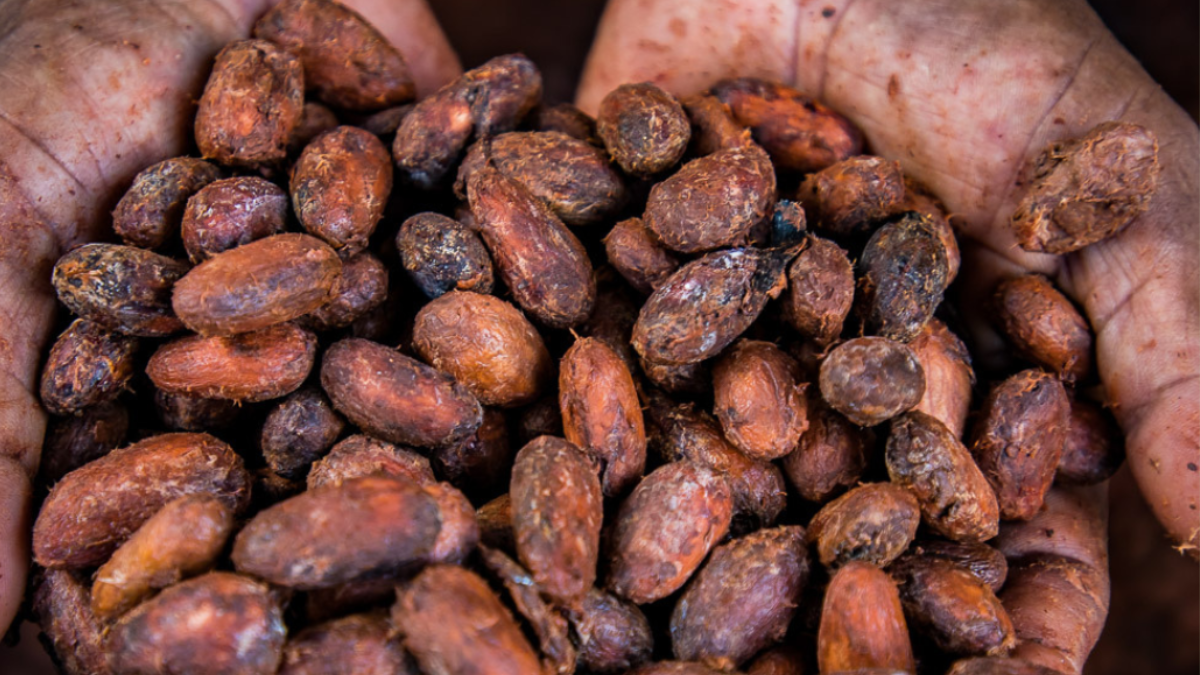
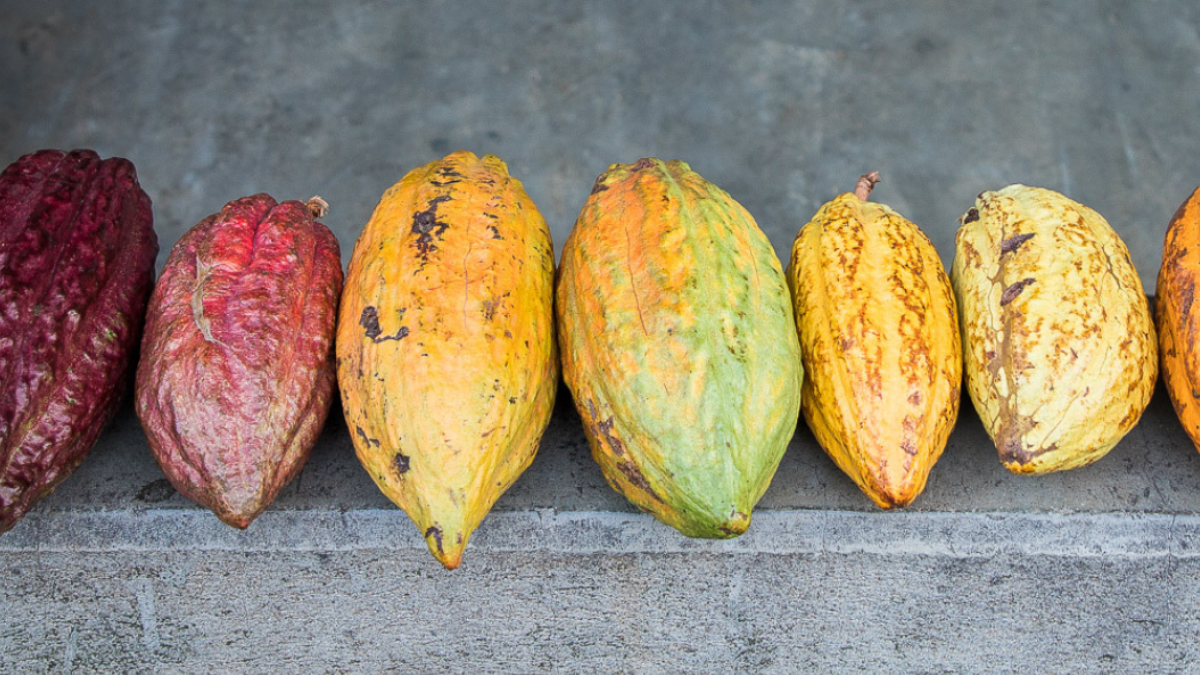
One of my favorite discoveries in sobriety has been raw cacao. I recommend you try it as a coffee substitute, something warm and comforting to drink in the mornings or afternoon because it gives you a calm mood boosting energy. What I didn’t realize until recently was how profoundly it would support my cellular health.
Real cacao (not the heavily processed cocoa powder in most chocolate products) is extraordinarily nutrient-dense. It’s one of the highest plant-based sources of magnesium, a mineral that’s crucial for over 300 enzymatic reactions in your body, including ATP production in mitochondria. Most people, especially those with a history of alcohol use, are magnesium deficient. Alcohol depletes magnesium stores, disrupts absorption, and increases urinary excretion. Replenishing magnesium through whole food sources like cacao supports energy production, nervous system regulation, sleep quality, and muscular relaxation.
Cacao is also rich in flavonoids which are powerful antioxidants that protect cells from oxidative damage, improve blood flow, support cardiovascular health, and even promote the growth of new mitochondria (a process called mitochondrial biogenesis). There’s emerging research suggesting that the compounds in cacao can enhance cognitive function and mood, which makes it particularly valuable for people navigating the emotional landscape of sobriety.
Beyond cacao, several supplements specifically support mitochondrial health:
Coenzyme Q10 (CoQ10): Essential for ATP production, CoQ10 levels naturally decline with age and are further depleted by alcohol use and certain medications. Supplementation supports energy production and acts as a powerful antioxidant. The ubiquinol form is generally better absorbed, especially for people over 40.
B-Complex Vitamins: Alcohol significantly depletes B vitamins, particularly B1 (thiamine), B6, B9 (folate), and B12. These vitamins are crucial for energy metabolism, nervous system function, and cellular repair. Many people notice dramatic improvements in energy and mental clarity when they address B-vitamin deficiencies.
Omega-3 Fatty Acids: These essential fats are critical for cellular membrane health, brain function, and inflammation regulation. Quality matters so look for supplements that are third-party tested for purity and provide adequate amounts of both EPA and DHA.
N-Acetyl Cysteine (NAC): This precursor to glutathione, your body’s master antioxidant, supports liver detoxification and cellular protection. It’s particularly valuable in early sobriety when the liver is recovering from alcohol’s effects.
The key with supplementation is personalization. While these nutrients broadly support cellular health, your specific needs depend on your history, current diet, stress levels, and genetic factors. This is where comprehensive testing becomes invaluable.
Nutrient Testing: Taking the Guesswork Out
One of the most empowering steps I took in my sobriety journey was getting comprehensive nutrient testing. After years of alcohol affecting my absorption and depleting my stores, I wanted to know exactly what my body needed rather than guessing.
The testing revealed several deficiencies I wouldn’t have suspected: low vitamin D (despite living in a sunny climate), borderline B12, significantly depleted magnesium, and suboptimal omega-3 levels. Armed with this information, I could create a targeted supplementation plan that addressed my specific needs rather than taking random supplements and hoping for the best.
For women in midlife sobriety, I particularly recommend testing:
- Complete Blood Count and Comprehensive Metabolic Panel: Baseline markers of overall health, liver function, kidney function, and blood sugar regulation
- Vitamin D: Crucial for immune function, mood, bone health, and cellular communication
- B Vitamins: Especially B12 and folate, which are commonly depleted by alcohol
- Magnesium: Though serum magnesium doesn’t always reflect intracellular levels, it’s a starting point
- Omega-3 Index: Measures the percentage of EPA and DHA in red blood cell membranes
- Iron Panel: Including ferritin, especially important for menstruating or perimenopausal women
- Thyroid Panel: Full panel including TSH, Free T3, Free T4, and thyroid antibodies, as thyroid function significantly impacts cellular metabolism
These tests remove the guesswork and create a baseline you can track over time. Watching your nutrient levels improve as your sobriety continues provides tangible evidence of your body’s healing, which can be incredibly motivating. This testing is something we do on our Altavita Retreats – both the cacao tasting ritual and the personalized blood panels to ensure you are not supplementing in the dark.

Cold Plunge Therapy: Hormetic Stress for Cellular Resilience
If someone had told me in my drinking days that I’d willingly immerse myself in ice-cold water regularly, I would have questioned their sanity. I mean I used to jump off bridges naked into the river drunk but it’s not quite the same thing. Cold plunge therapy has become one of the most valuable tools in my cellular health toolkit.
The science behind cold exposure is fascinating. When you immerse your body in cold water (typically 50-59°F or 10-15°C), you trigger a cascade of beneficial stress responses. This is called hormesis—the principle that mild stressors can strengthen the body’s adaptive responses. Dr. Stacy Sims emphasizes women vasoconstrict faster than men, reaping metabolic/mental gains at cooler (50°F) vs. ice-cold (38°F) temps, avoiding hormonal shutdown; ideal for midlife without extremes. Start showers, build to 2-3x/week 3-5min. So make sure you check the temperature of the water if you are going to a place that does these. I personally love places that have you going from the sauna to the plunge and back.
Cold exposure activates brown adipose tissue (brown fat), which burns calories to generate heat and improves metabolic health. It stimulates mitochondrial biogenesis which is the creation of new mitochondria, enhancing cellular energy production. It triggers the release of norepinephrine, improving focus, mood, and pain tolerance. It reduces systemic inflammation, a root cause of many chronic diseases and accelerated aging. And it strengthens the immune system by promoting the circulation of white blood cells.
For people in sobriety, cold plunging offers additional benefits. It provides a natural, intense experience that creates the “rush” many of us once sought through alcohol or other substances. It teaches you to be present with discomfort and breathe through it, a skill that translates directly to navigating cravings or difficult emotions. And it creates a profound sense of accomplishment; when you emerge from cold water, you feel capable and strong. Polar dip here we come!
I started with 30-second cold showers and gradually worked up to 3-5 minute cold plunges. Now I aim for 2 sessions per week. The first few seconds are always challenging—your body screams at you to get out, but you take a deep breath in and then something shifts. Your breathing steadies, your mind quiets, and you settle into the sensation. When you emerge, there’s a warmth and aliveness that’s hard to describe.
One important note: Cold plunging isn’t for everyone. People with cardiovascular issues, Raynaud’s syndrome, or certain other conditions should consult with healthcare providers before starting cold therapy. And even for healthy individuals, it’s important to build up gradually and listen to your body.
Protocols for Cellular Optimization Summary
Cacao & Targeted Supplementation
Raw cacao (not processed cocoa) replaces wine rituals while delivering magnesium (300+ reactions, alcohol-depleted for ATP/nerves/sleep) and flavonoids (antioxidants, blood flow, mitochondrial biogenesis, cognition/mood).
Add: CoQ10 (ubiquinol for age/alcohol-depleted ATP/antioxidant), B-complex (energy/repair, alcohol-stripped), omega-3s (membranes/inflammation), NAC (glutathione detox).
Nutrient Testing
Post-alcohol tests often reveal gaps (e.g., vitamin D, B12, magnesium, omega-3 index, thyroid panel, iron) so ideally you want to check that you are not vitamin deficient. Multivitamins are thought to be a good solution, but often give you 30+ vitamins in trace amounts vs. a full daily dose for someone who is deficient. You also need to consider your gut health, because if your microbiome isn’t optimal you might not be absorbing the supplements you are taking much or at all.
Cold Plunge Therapy
50-55°F (10-13°C) hormesis sparks mitochondrial biogenesis, norepinephrine (focus/mood), reduced inflammation, brown fat, immunity and ultimately builds craving resilience. Dr. Stacy Sims emphasizes women vasoconstrict faster than men, reaping metabolic/mental gains at cooler (50°F) vs. ice-cold (38°F) temps, avoiding hormonal shutdown; ideal for midlife without extremes. Start showers, build to 2-3x/week 3-5min.
Sobriety Synergy
Alcohol blocks gut absorption, deep/REM repair (growth hormone/mitochondria), spikes inflammation, disrupts HPA/hormones, whereas sobriety unlocks full protocol power, steady energy, consistency.
Phased Plan
- Months 1-3: Sleep, hydration, B/magnesium basics.
- 3-6: Test, cacao/supps, movement.
- 6+: Cold plunges, optimize. Retest yearly.
This empowers midlife women: vitality, not decline. What cellular practices fuel your sobriety—cacao, plunges?