


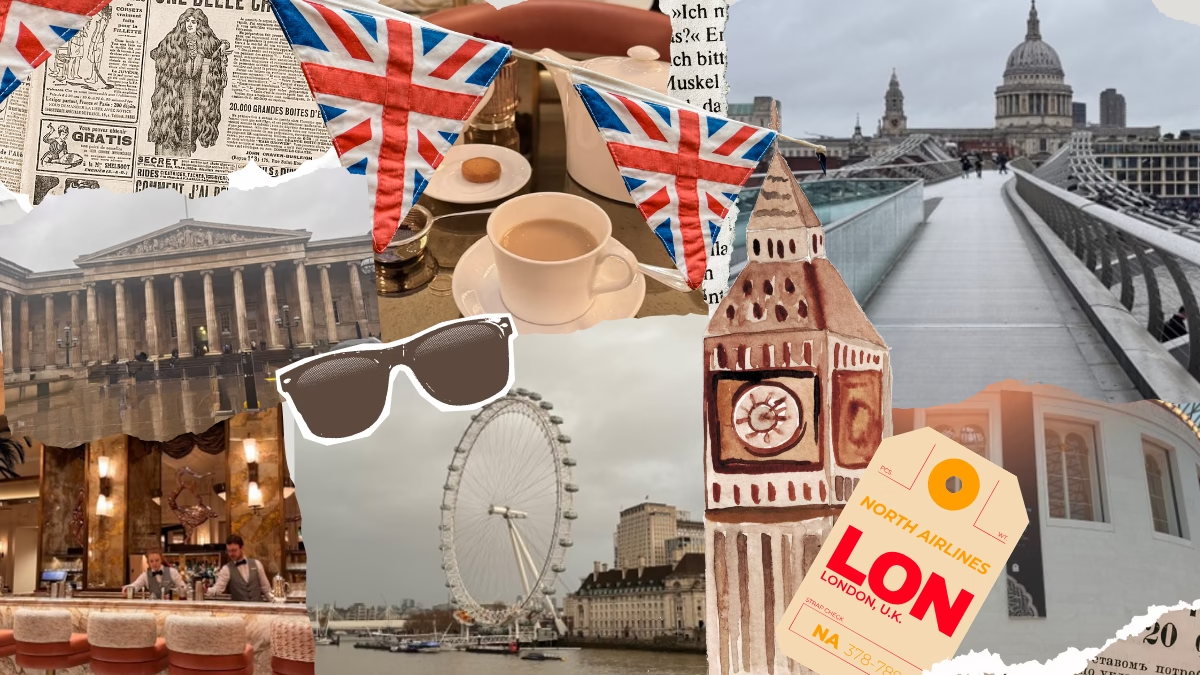

Staying Grounded, Curious, and Present in One of the World’s Great Cities
London is one of the world’s most rewarding cities to explore, especially when you’re sober. Beyond the pubs and nightlife, the city reveals itself to those who walk, wander, and pay attention: the curve of a bridge, the shimmer of the Thames, the echo inside a cathedral.

For sober travellers, London offers quiet corners, bustling markets, world-class museums, and welcoming communities. This isn’t a guide to “avoiding alcohol”; it’s a guide to experiencing the city fully — grounded, present, and attentive.
Whether you’re new to sobriety or have been on the path for years, London provides countless opportunities to connect with supportive spaces and fellow travellers. Along the way, you’ll discover moments of calm, chances to reflect, and places to feel centered before stepping into the rhythm of the city.
Walking London Sober: Presence at Every Step
If there’s one thing London rewards, it’s walking. And if there’s one thing sobriety allows, it’s noticing what’s right in front of you.
The South Bank is a classic route: the Thames on your left, the Globe Theatre, Tate Modern, book stalls, and buskers along the way. Lively, but not overwhelming, it’s easy to spend hours wandering without stepping into a bar.
St. James’s Park offers a calmer pace. Stand on the bridge and look one way toward Buckingham Palace, the other toward Horse Guards Parade. It’s a city of contrasts: ceremony and chaos, history and reinvention.
The City of London, the old Roman heart, has narrow lanes, hidden gardens, and centuries beneath your feet. For quiet, Regent’s Park or Greenwich Park give space to breathe and reflect. Walking becomes a sober practice in itself: slowing the mind, noticing details, and moving with intention.
Exploring Museums and Galleries: Fully Present in Recovery
One of the joys of sober travel is clarity: you notice more. London’s free museums make it easy to experience this.
- The British Museum: Stand before the Rosetta Stone or the Parthenon sculptures and feel the weight of human history.
- The National Gallery: Quiet rooms allow slow reflection on Van Gogh, Turner, and centuries of human expression.
- Tate Modern: Bold, challenging, alive — a modern counterpoint to London’s historic architecture.
Arrive early, when galleries are waking up. Wander without crowds. Sobriety isn’t just avoiding alcohol — it’s making space for experiences that nourish you.
Evenings Without Alcohol: Theatre, Tea, and Markets
London at night doesn’t have to revolve around pubs. Some of the city’s best experiences are entirely alcohol-free.
The West End is a gift. Sit in a theatre as the lights dim, knowing you’re about to be transported elsewhere for a few hours. Booking through TodayTix is simple, reliable, and often more affordable than you’d expect.
Afternoon tea offers another kind of calm indulgence. The Savoy afternoon tea is extraordinary, but a simple pot of tea and a cake can be equally memorable, reminding you that presence matters more than pomp.
Markets add colour and energy:
- Borough Market – food and flavours
- Portobello Road – antiques and history
- Camden – eclectic energy
- Columbia Road – flowers and community
All alive, none requiring alcohol.
The Quiet Pleasures: Bookshops, Cafés, and Stillness

Sober travel returns small, overlooked joys. Wander Foyles Books, sip coffee in Bloomsbury, or spend a slow morning in a park with a notebook.
These moments are amplified by sobriety: noticing details, soaking in atmosphere, and connecting with yourself.
Where to Stay: Calm, Connected, Central
I often choose Covent Garden: central, lively without chaos, and within walking distance to recovery meetings, museums, theatres, and cafés.
Pick a place where you can return at the end of the day, exhale, and feel grounded. Calm, accessible accommodation supports your experience in a way alcohol never could.
Navigating Alcohol-Heavy Spaces
London includes alcohol — it’s part of the culture. Sobriety equips you to navigate it gracefully:
- Order a non-alcoholic drink early to remove awkwardness.
- Choose cafés and restaurants where you feel comfortable.
- Avoid late-night bars unless necessary.
You’re not missing out — you’re choosing presence, clarity, and experiences that truly matter.
The Gift of Connection
One of the unexpected joys of sober travel is people. London’s recovery community is warm, diverse, and full of stories. You can enter a meeting as a stranger and leave feeling connected.
The comfort and camaraderie extend beyond the rooms — a shared glance on a park bench, a coffee conversation, a quiet laugh with a fellow traveller.
London Seen Through Sober Eyes
London rewards attention. Sobriety sharpens it: the curve of a bridge, a violinist on the South Bank, the light on St. Paul’s dome at dusk. You feel the city rather than rushing through it.
Being alcohol-free doesn’t limit your experience — it deepens it. Every street, park, gallery, and market is richer. Every encounter and quiet moment resonates.
Sobriety gives clarity, presence, and the joy of truly seeing the world. London, walked mindfully, becomes more than a city — it becomes a companion on the journey of recovery.
SOBRIETY IN THE CITY: “The Fifth Step” by David Ireland: A Raw, Funny, and Honest Look at Sobriety
SOBER TRAVEL – WHAT A TRIP! is The Sober Curator’s guide to exploring the world alcohol-free. From insider travel tips and honest destination reviews to our curated Sober Retreats Calendar, we help you plan trips that are fun, fulfilling, and booze-free. Whether your jet-setting overseas or planning a weekend getaway, our stories and resources prove that sober travel is anything but boring. Looking for a sober getaway? We’ve got your back with our Sober Retreat Calendar. Need a night out on the town? Check out our Sober Events Calendar.
We also recommend soberscribing to The Sober Sip for weekly and monthly travel + events updates. Have a life-changing sober trip to share? Send your tips and photos to thesobercurator@gmail.com—we’d love to feature your journey.

Recovery is hard 24/7, 365 – Please know that resources are available
If you or someone you know is experiencing difficulties surrounding alcoholism, addiction, or mental illness, please reach out and ask for help. People everywhere can and want to help; you just have to know where to look. And continue to look until you find what works for you. Click here for a list of regional and national resources. If your life or someone else’s is in imminent danger, please call 911. If you are in crisis and need immediate help, please call: 988.

