


Problems. I have them. You might have them. Jay-Z famously had ninety-nine of them (though at least a woman wasn’t one). In truth, everyone has problems entering their lives at one time or another.
And often, they arrive at the worst possible moment, digging their claws into our lives when we are least prepared. Most of the time, they don’t appear as a single, solitary issue. Instead, they stack themselves up—one after another after another—until we suddenly find ourselves staring down an entire heap of problems, all demanding to be faced at once.
The Stoics understood that we need a way to confront the impact problems have on our lives. If their philosophy calls for maintaining a rational, level-headed perspective in every moment of the day, then it also demands a response when challenges and adversity arrive at our doorstep. There must be a way—some deliberate shift in perspective—that allows us to meet unexpected problems without being overwhelmed by them.

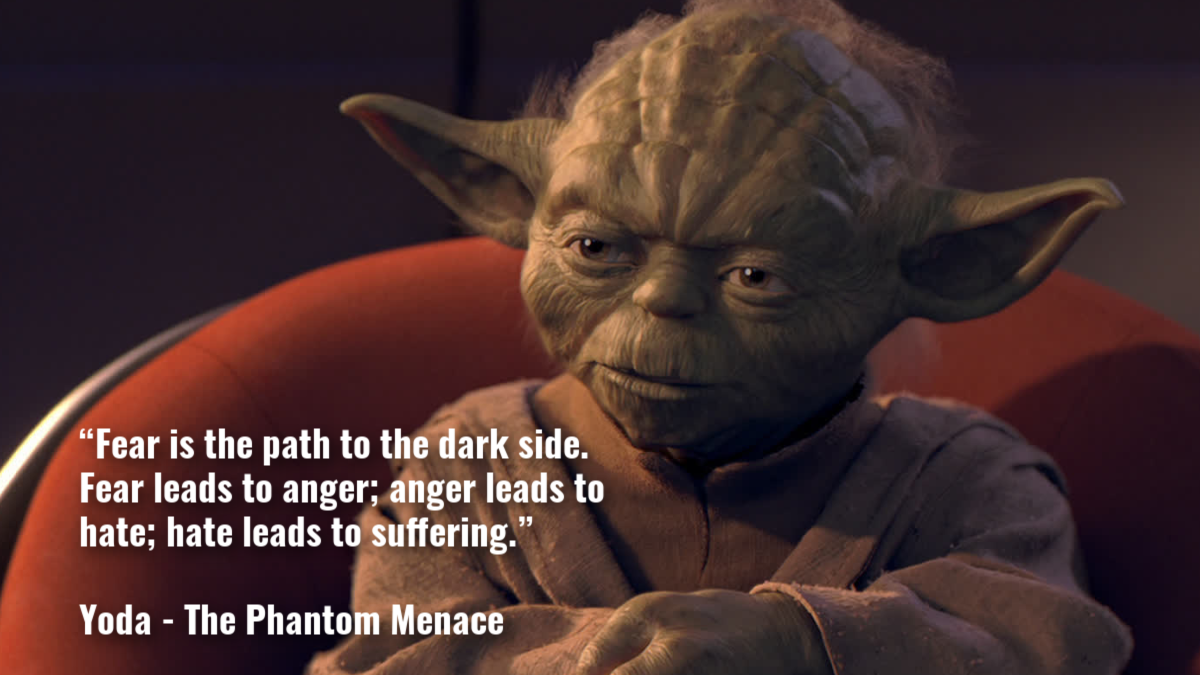
“Fear is the path to the dark side. Fear leads to anger; anger leads to hate; hate leads to suffering.”
Yoda – The Phantom Menace
The Stoics recognized that the true danger of problems and adversity lies in the effect they have on our emotions. Depending on the nature of the challenge, we may experience a wide range of feelings—fear and anxiety, anger and resentment, depression and sadness.
When we become entangled in these emotions, we loosen our grip on reason. Our rational mind gives way to impulsive thinking and poorly considered actions—choices we might never make if we were calm and clear-headed. For those of us in recovery, moments like these are especially dangerous. Sobriety itself can be put at risk, and stories of relapse in the face of adversity are, unfortunately, all too common within recovery communities.
This can trigger a vicious cycle: irrational actions taken in the face of adversity create new problems, which in turn generate even more negative emotions. As one problem stacks onto another, it becomes difficult to see that some of these burdens were born from our own responses to the very first challenge we faced.
Consumed by fear, anger, or despair, we lose the perspective needed to recognize our role in the damage. In those moments, blinded by emotion, we become our own worst enemy—unaware of how deeply we are contributing to the struggle we are trying to escape.
Therefore, the Stoics realized that we need to do something about that first problem or piece of adversity that we face. There has to be a way that we can change our perspective before finding ourselves in a chain reaction of negative emotions and irrational actions that was all sparked by that original one.
One of the practices the Stoics recommend for reshaping our perspective on the problems and adversities we face is known as the View from Above. And in this article I will take you through this practice and how it is used.
To begin, take a moment to picture a problem or challenge you are facing right now—whether it involves another person or is the result of a situation unfolding around you. Hold it in your mind and observe it for a moment. Notice the feelings it stirs, the emotions it awakens. Sit with it. Recognize it.
Now, move back—outside of yourself. Hover above your own head and observe the problem from just beyond you. See it there, along with the thoughts and emotions twisting and writhing through your mind.
Then, grow wings. Evolve. Transform. Become a bird and rise into the sky. Hover above your city. Take in the lives unfolding below you. Watch cars stream along highways and side streets. See people walking the sidewalks, others absorbed in their work, and some paused in moments of rest. Notice the smiles on a few faces. Hear the laughter of others. And see the sorrow too—the quiet sadness etched into some expressions, the tears tracing paths down bare skin.
Do you think some of these people might be facing the same problems you are, or perhaps even heavier burdens? How do you imagine they are handling them—are some struggling more than you, or meeting their challenges with greater calm and resilience? And what about those enduring far more than you—how do you think they manage to carry it?
Now shift once more. Let go of the wings. Transform—become an astronaut rising into space. Watch as you leave the city behind, the state, the country. Climb higher and higher, escaping the atmosphere until you float above the Earth.
From this vantage, look at the world in its entirety—the billions of lives on this planet. See new life entering the world with each passing second, and lives releasing their final breath at the same moment. Notice the accomplishments unfolding everywhere: marriages, first days at work, works of art completed, new technologies created, dreams realized. And alongside them, witness the struggles: divorces, lost jobs, war, disease, famine, dreams that never come to fruition. Take it all in. The lives of all the people that exist on this same planet with you and all that they are dealing with in this one single moment.
Amid all of this—everything happening at once across the globe—find your own problem. See it as a single blip, one of countless challenges occurring at this very moment. In the vastness of the Earth, it is only one of many, fleeting and small.
Now remain in the rocket and continue drifting through the void of space. Watch the Sun grow smaller as you pass the planets of our solar system, moving farther and farther outward until you reach its edge. Observe the planets tracing their paths around the Sun, asteroids drifting between them like scattered debris, and moons circling their planets, held fast by gravity. See the Sun now as a small point of light—just one of countless stars in the galaxy.
From this point of view, notice how even the billions of actions, emotions, problems, and triumphs on our planet seem almost invisible—tiny, almost minuscule—compared to the immensity surrounding you at the edge of the solar system.
Don’t stop there—not yet. Keep moving. Drift past the infinite stars of our galaxy. Move beyond them. Pass the countless galaxies that fill the universe. Arrive at the edge of all that exists—all that is known, and so much more that remains unknown. So many galaxies. So many stars. So many planets circling them. A symphony of cycles, moving and flowing, all interconnected across space and time.
From this vantage, look through the entirety of it and try to find the problem you have been holding onto. See it for what it is: a tiny fragment within a far greater, grander picture—the vastness of existence itself. What can seem so overwhelming and large to us in the moment is actually just a small snippet in the grand scheme of all that exists.
Universe, your harmony is my harmony: nothing in your good time is too early or too late for me. Nature, all that your seasons bring fruit to me: all comes from you, exists in you, returns to you.
Marcus Aurelius – Meditations: 4.23
Yet even within the vastness of space and time, do not diminish yourself or what you are experiencing. Your life—and everything within it—exists in this precise moment for a reason. You are part of the unfolding cycles of the universe, and what you face now is woven into the greater flow of all that is happening. This problem, too, is part of that design, and it is within your power to transform it into growth and triumph.
The Stoics believed that every challenge carries the potential to strengthen us—that through confronting adversity, we become more complete. You were not given this problem by accident. It is yours to meet, to work through, and to use as a means of becoming wiser and more resilient. As you navigate these difficult waters, you are not isolated; you are participating in the countless cycles that shape the universe itself.
This practice—the View from Above—is meant to restore perspective. When we become consumed by our problems, they can overtake our lives, isolating us from others and from meaning. By stepping back and seeing ourselves as part of something far greater, we regain clarity. From that broader lens, we remember who we are, where we stand, and how to move forward with intention.
The STOICISM section of The Sober Curator explores how ancient philosophy can become a powerful guide in modern recovery. Led by contributors Derek Castleman and Tony Harte, this space unpacks the principles of Stoicism—reason, virtue, and acceptance—and shows how they can help navigate the challenges of sobriety.
Derek, the Sober Stoic, is a writer, educator, scientist, and data analyst, battled addiction and bipolar disorder for over 15 years before finding lasting recovery in 2018. While 12-Step programs gave him a foundation, Stoicism became the key to his sobriety and mental stability.
Tony, Founder of A Stoic Sobriety, with 35 years sober, discovered Stoicism after a lifetime of recovery work and spiritual exploration. A self-proclaimed “spiritual gangster,” he blends ancient philosophy with lived experience, offering practical, grounded wisdom.
Together, Derek and Tony prove that no matter where you are on your recovery journey, the timeless wisdom of Stoicism can lead to strength, peace, and purpose.

SOBER CURATOR PODCAST: The Hero’s Journey in Sobriety – Lessons from Star Wars, Stoicism, and the Sober Community
SPIRITUAL GANGSTER: at The Sober Curator is a haven for those embracing sobriety with a healthy dose of spiritual sass. This space invites you to dive into meditation, astrology, intentional living, philosophy, and personal reflection—all while keeping your feet (and your sobriety) firmly on the ground. Whether you’re exploring new spiritual practices or deepening an existing one, Spiritual Gangster offers inspiration, insight, and a community that blends mindful living with alcohol-free fun.
Resources Are Available
If you or someone you know is experiencing difficulties surrounding alcoholism, addiction, or mental illness, please reach out and ask for help. People everywhere can and want to help; you just have to know where to look. And continue to look until you find what works for you. Click here for a list of regional and national resources.

Follow The Sober Curator on Facebook
What is stoicism?
Stoicism is a philosophy that originated in Ancient Greece but gained greater prominence when it spread to Rome. Its aim is to help people live the best lives possible by striving to be the best person they can be each day.
How does the View from Above relate to Stoicism?
Stoicism encourages us to use our rational minds in everything we do. The philosophy also seeks to reduce negative emotions by helping us view situations more clearly. The View from Above is a practice designed to help us gain perspective on our problems so that we can maintain our rational thinking and lessen their emotional impact.
How does the View from Above help reduce stress or negative emotions?
The View from Above can help reduce stress and negative emotions by placing our problems within the larger perspective of the world as a whole. By doing this, we begin to see that our problems may not be as significant as we initially believe, allowing us to develop a healthier and more balanced perspective on what we are facing.
