

American Pain by John Temple is a captivating and deeply unsettling account of one of the most significant contributors to the opioid epidemic in America—Florida’s pill mills. Temple’s storytelling is sharp and immersive, pulling readers into the chaotic world of Chris George, a 27-year-old convicted felon who turned a small pain clinic into the notorious “American Pain,” a multimillion-dollar operation that fueled the country’s addiction crisis.
Temple brilliantly traces the clinic’s transformation from a business exploiting regulatory loopholes into a criminal empire, all while maintaining a fast-paced, almost cinematic narrative. From muscle-bound security guards to doctors with guns under their lab coats, Temple paints a vivid picture of the wild, lawless atmosphere at American Pain. The scenes feel ripped from a crime novel, with larger-than-life characters and moments of jaw-dropping audacity, like doctors handing out prescriptions for oxycodone by the handful.

Yet, the book is much more than a true-crime story. Temple skillfully weaves in the broader context of how the clinic’s massive distribution of opioids exacerbated the national crisis, leaving devastation in its wake. He explores the lives of addicts and traffickers, the shady business practices that allowed the clinic to thrive, and the relentless federal agents who worked tirelessly to bring it all down. Through Temple’s meticulous research, readers gain insight into the deeper systemic failures that contributed to the opioid epidemic, including the complicity of pharmaceutical companies and regulatory bodies like the DEA.
American Pain is equal parts fascinating and horrifying, a gripping read that exposes the greed, corruption, and negligence behind the deadliest drug epidemic in U.S. history. Whether you’re familiar with the opioid crisis or learning about it for the first time, this book is a must-read. Temple has crafted an unflinching look at how an operation like American Pain was allowed to flourish—and how its impact is still felt in communities across the nation today.
I give American Pain 4 out of 5 Sobees.
#QUITLIT Sobees Score: 4 out of 5


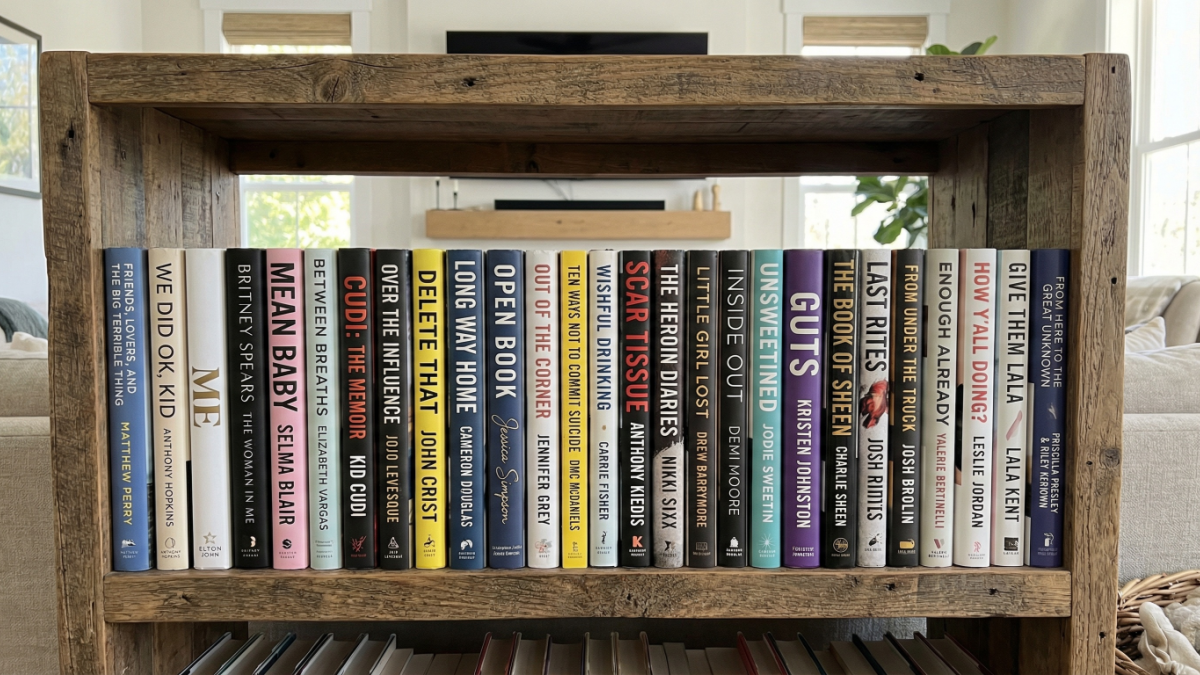
TSC LIBRARY: Welcome to The Sober Curator Library! We don’t just read books; we immerse ourselves in literary journeys, tune in on Audible, and craft insightful reviews. Our digital shelves are organized into four genres: #QUITLIT, Addiction Fiction, Self-Help, and NA Recipe Books

Sober Say What?
GLOSSARY OF ADDICTION + RECOVERY TERMS: Welcome to The Sober Curator’s ultimate guide to the language of sobriety, recovery, and alcohol-free living—where words hold power, knowledge, and the keys to a vibrant, substance-free life. This comprehensive glossary shines a light on essential terms that offer wisdom, clarity, and connection for anyone navigating recovery.
From the first spark of curiosity to the joyful celebration of milestones, our glossary helps demystify the terminology of sobriety and recovery. Each definition is designed to empower, educate, and support you on your journey toward wellness, self-discovery, and lasting freedom.
If you or someone you know is experiencing difficulties surrounding alcoholism, addiction, or mental illness, please reach out and ask for help. People everywhere can and want to help; you just have to know where to look. And continue to look until you find what works for you. Click here for a list of regional and national resources. If you or someone you love is in immediate danger, call 911. If you are in crisis and need immediate help, call 988.

Follow The Sober Curator on LinkedIn
1. What is American Pain about?
American Pain by John Temple is a nonfiction book that examines the origins, rise, and human impact of the opioid epidemic in the United States, blending historical research with personal narrative.
2. Who is John Temple?
John Temple is a journalist and author whose work focuses on America’s drug culture and the systemic forces behind addiction. In American Pain, he combines reporting with cultural insight to tell the story of the opioid crisis.
3. Is American Pain a memoir or nonfiction history?
It’s a blend of investigative nonfiction and memoir — Temple uses his own experiences to illuminate the broader history of pain management, pharma influence, and addiction in America.
4. What themes does American Pain explore?
The book explores themes such as the opioid crisis, the pharmaceutical industry’s role in addiction, pain culture, recovery, public health, and the human cost of dependency.
5. Who should read American Pain?
This book is ideal for readers interested in addiction history, public health, sociology, policy, or anyone seeking a deeper understanding of how pain, medicine, and culture intersect.
6. What makes American Pain different from other addiction books?
Unlike purely personal memoirs or clinical histories, American Pain weaves individual experience with comprehensive reporting on how America’s healthcare, culture, and pain management practices contributed to the opioid epidemic.
7. Does the book discuss recovery or sobriety?
While the focus is primarily on the epidemic’s cultural and historical dimensions, the narrative also touches on pathways to healing, the lived experience of addiction, and recovery challenges.
8. How does American Pain relate to the opioid epidemic?
It provides both context and analysis for the rise of opioid addiction in the U.S., tracing pharmaceutical marketing tactics, prescription practices, and societal attitudes toward pain and medication.
9. Is American Pain based on research?
Yes — Temple’s book draws on extensive reporting, interviews, and historical research to paint a comprehensive picture of addiction, policy, and medicine in America.
10. Where can I get American Pain?
The book is available through major booksellers, independent bookstores, and libraries.