A Celtic offering for welcoming the returning light
Twice a year the earth pauses in a moment of near balance. Day and night stand almost equal, light and dark sharing the sky for a brief stretch before the season tips forward again. We are nearing the spring equinox, the quiet hinge between winter and the growing season.
In Ireland and across the Celtic lands, seasonal awareness shaped daily life. People watched the lengthening light, the thaw of the ground, the swelling of streams after winter rains. Spring was more than a date on the calendar. It was something you could hear in birdsong, feel in the softening soil, and see in the way water began moving again through the landscape.
Water holds a particularly meaningful place in Celtic spirituality. Wells, springs, and rivers were long understood as places of blessing and renewal. Pilgrims traveled to sacred sites like St Brigid’s Well to pray, leave offerings, and seek healing. The land itself was seen as alive with wisdom, and water often marked the places where that wisdom surfaced.
The Spring Equinox arrives at a moment when water is especially present in the natural world. Snowmelt feeds streams. Rain softens fields preparing for planting. The earth begins to drink deeply again.
In recovery, this season carries a similar energy. Early recovery can feel like winter—quiet, stripped down, focused on survival. Over time something begins to move again. Clarity returns. Curiosity returns. Life begins to flow through places that once felt stuck or frozen.
The equinox reminds us that growth often begins with subtle shifts like light returning a few minutes earlier each morning, or water moving slowly through the soil.
Water rituals at the equinox can be a gentle way to mark that turning.
Here are three simple practices inspired by Celtic traditions of water and renewal.
1. Washing Away the Weight of Winter
Water has long been used as a symbol of cleansing and beginning again. In early spring, pilgrims visiting holy wells often washed their hands or face before prayer, acknowledging both physical and spiritual renewal.
You might try a simple version of this practice at home.
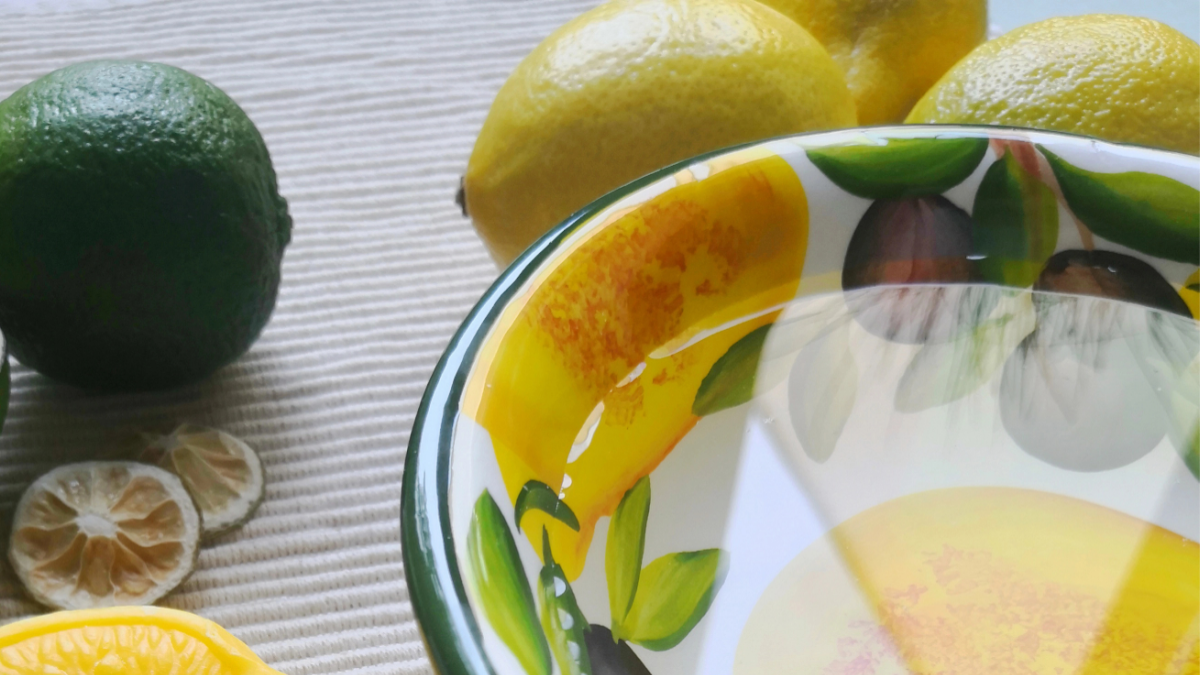
Fill a bowl with cool water. If you’d like, add a slice of lemon, a few herbs, or a drop of essential oil—something that smells like spring to you.
Before washing your hands, pause for a moment and reflect on the winter that is ending. What felt heavy during these past months? What are you ready to set down as the season shifts?
Wash your hands slowly, letting the water carry away what no longer belongs to this new season.
Dry your hands gently and take a breath before continuing your day.
2. Visiting Moving Water
In Celtic landscapes, flowing water—streams, rivers, springs—often became places of prayer and reflection. People believed the movement of water carried intention outward into the world.
If possible, take a short walk to a place where water is moving. It could be a river, creek, lake shoreline, or even a fountain in your neighborhood.
Spend a few quiet minutes watching the movement of the water. Notice how it travels around obstacles, how it keeps moving even when the path curves or narrows.
As you stand there, consider one thing in your life that is beginning to move again. It might be something small: a creative idea, a relationship softening, a new rhythm of self-care in recovery.
Let the movement of the water remind you that life has a way of finding its path forward.
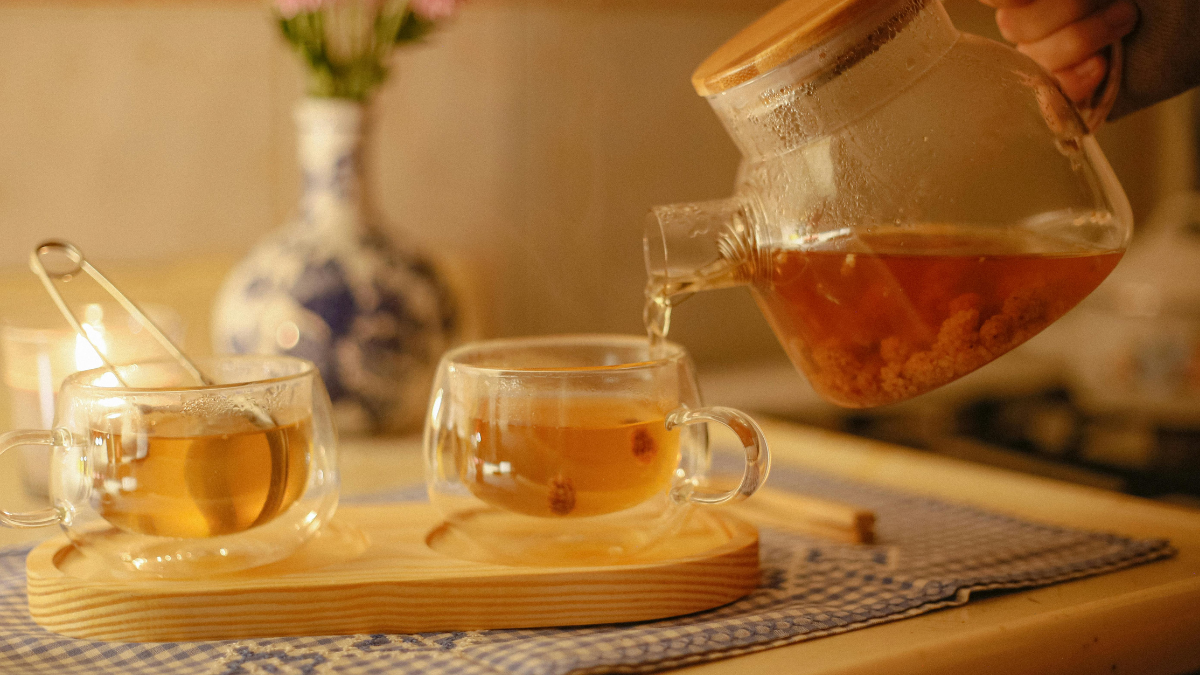
3. A Spring Tea for Renewal
Water also carries nourishment. In many Celtic households, the first fresh herbs of spring signaled that the land was waking up again.
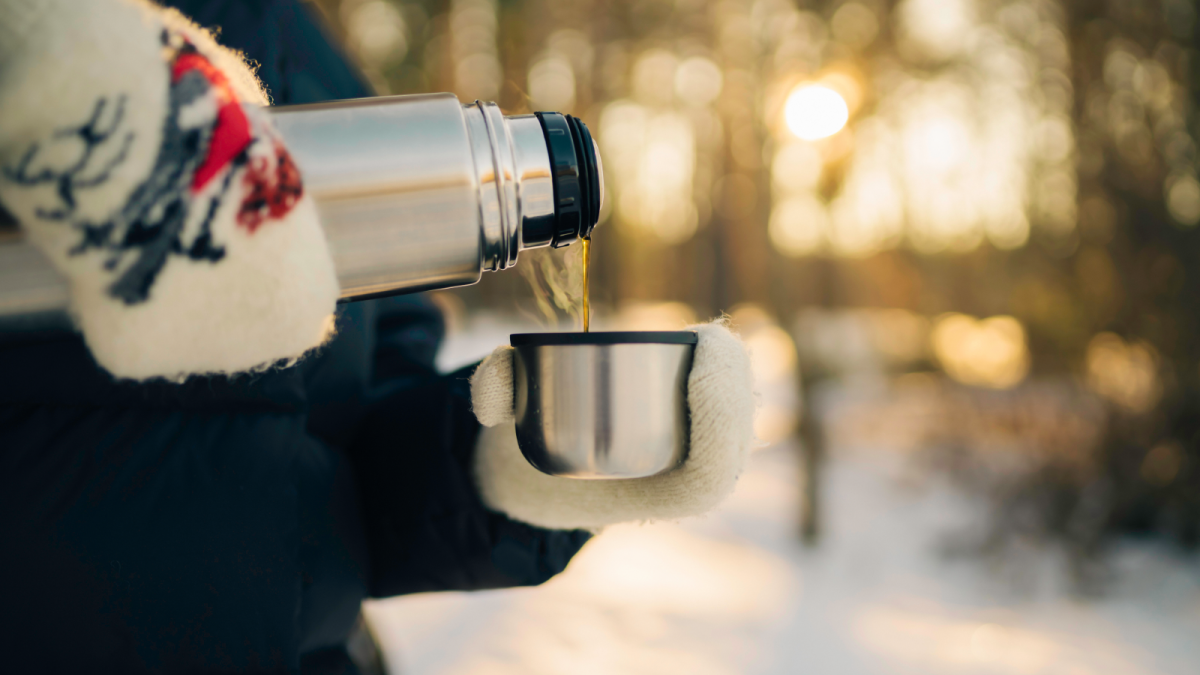
For this ritual, prepare a simple cup of herbal tea. Choose something that feels bright and seasonal—mint, lemon balm, nettle, or chamomile.
As the water boils, take a moment to acknowledge the returning light of the season. The equinox marks the point where days will now grow steadily longer, bringing warmth and new growth with them.
Pour the tea slowly and take the first sip with intention.
You might ask yourself a simple question while you drink:
What in my life is ready to grow this spring?
You don’t need to force an answer. Sometimes the practice itself is enough.
The Spring Equinox reminds us that change unfolds gradually, in small shifts we might miss if we aren’t paying attention.
A few extra minutes of daylight. A bird returning to the same branch each morning. Water moving again through the earth.
Recovery often follows a similar rhythm. Healing comes quietly at first. Then one day we realize something inside us has begun to flow again.
And that is how spring begins.

THIRSTY FOR WONDER: at The Sober Curator, led by Anne Marie Cribben—a passionate recovery coach and spiritual companion based in Washington, DC—offers 1:1 coaching, spiritual guidance, and recovery support rooted in compassion and empowerment. As the creator of The Wellspring: A Celtic Recovery Journey, Anne Marie blends the Celtic calendar with sobriety, connecting participants to ancient wisdom and the rhythms of nature.
A fierce advocate for sobriety as liberation and self-love, she challenges the targeted marketing of alcohol to women and champions authentic, joyful living. Her work goes beyond addiction recovery, fostering a life of vibrancy, purpose, and connection.

SPIRITUAL GANGSTER: at The Sober Curator is a haven for those embracing sobriety with a healthy dose of spiritual sass. This space invites you to dive into meditation, astrology, intentional living, philosophy, and personal reflection—all while keeping your feet (and your sobriety) firmly on the ground. Whether you’re exploring new spiritual practices or deepening an existing one, Spiritual Gangster offers inspiration, insight, and a community that blends mindful living with alcohol-free fun.
A Disco Ball is Hundreds of Pieces of Broken Glass, Put Together to Make a Magical Ball of Light. You are NOT Broken, Friend. You are a DISCO BALL!

Resources Are Available
If you or someone you know is experiencing difficulties surrounding alcoholism, addiction, or mental illness, please reach out and ask for help. People everywhere can and want to help; you just have to know where to look. And continue to look until you find what works for you. Click here for a list of regional and national resources.

Follow The Sober Curator on Facebook
What is the Spring Equinox?
The Spring Equinox arrives in March when day and night are nearly equal in length. After this point in the northern hemisphere, daylight begins to stretch longer than darkness.
There’s another equinox in September, but the spring one carries the feeling of emergence. The long inward season of winter begins to loosen its grip. Light returns earlier each morning, the ground softens, and the growing season begins to stir.
For people who lived close to the land, this shift in light was one of the clearest signs that the year had turned.
Did the Celts celebrate the Spring Equinox?
The equinox wasn’t one of the four major Celtic fire festivals, but people in Celtic lands were deeply attentive to seasonal changes in light and weather.
Ancient sites like Knowth are aligned with the equinox sunrise and sunset, which tells us that these shifts in daylight mattered long before modern calendars.
Even when there wasn’t a formal festival attached to the equinox itself, the turning of the season would have been noticed in everyday life—in farming rhythms, travel, and preparation for planting.
Why is water such an important symbol in Celtic spirituality?
Water has long been associated with healing and blessing in Celtic tradition. Wells, rivers, and springs were places where people prayed, left offerings, and asked for healing.
Pilgrimage traditions grew around sites such as St Brigid’s Well, where visitors would often wash their hands or face before prayer.
In many ways it makes sense. Water moves, cleanses, nourishes, and makes growth possible. It’s a natural symbol for renewal.
Do I have to follow Celtic spirituality to try these rituals?
Not at all. Think of these practices as invitations rather than rules.
Celtic spirituality grew out of people paying attention to the land, the weather, and the turning of the seasons. You don’t need a sacred well or a formal tradition to pause and mark a seasonal shift.
A bowl of water in your kitchen, a walk by a stream, or a quiet cup of tea can be enough.