



On my first cruise, my bar bill ran to nine pages. I didn’t need to see the total. The pages themselves were enough.
When I stopped drinking 22 years ago, cruising sounded frightening. I pictured floating bars, loud music by the pool, and people drinking from mid-morning onwards. In fairness, there is some of that. What I didn’t realise at the time was that cruising can represent very good value, but only if you understand what you’re signing up for financially.
The headline price in the brochure is rarely the full story; it is simply the entry point. Once you add flights, hotels, gratuities and the various onboard temptations, the number shifts. That doesn’t mean cruising is poor value. It just means you need to look at the whole picture rather than the promotional price.
For those of us who don’t drink, one large expense disappears automatically. But that alone doesn’t make a cruise cheap — it simply changes where the money goes.
For those comparing cruise lines, the differences in atmosphere and pricing matter more than people realise. If you’re still choosing a cruise line, I’ve written a separate guide on how to decide which line is best for you — including the differences in atmosphere, pricing, and alcohol‑free options.
What Is Included in a Cruise Fare?

Most cruise fares include your cabin, meals in the main dining rooms and buffet, onboard entertainment, access to pools and fitness facilities, and transport between ports. When you compare that with booking hotels, restaurants and transport separately across several cities, cruising can stack up well.
You unpack once. Your room is cleaned daily. There is always something happening in the evening, whether you join in or not. For many travellers — especially those who prefer structure and predictability — that bundled model works well. For people travelling sober, that structure can also remove many of the small decisions that once revolved around drinking.
Where people get caught out is assuming that “all-inclusive” means everything is covered. It doesn’t.
The Costs Before You Even See the Ship
Flights to/from the Port City

For many travellers, flights cost as much as the cruise itself. Prices to major cruise hubs such as Miami, Barcelona or Rome can climb quickly during school holidays or peak travel periods. Booking late almost always means paying more.
Arriving the day before departure is strongly recommended. Ships do not wait for delayed passengers, and the cost of missing embarkation dwarfs the price of one extra hotel night. Factoring flights into the cruise budget from the beginning avoids the illusion that the holiday is cheaper than it really is.
Pre-Cruise Hotel and Transfers
A hotel stay the night before sailing is part of the real cost. Add dinner, breakfast and transfers to the port, and you may have increased the “cheap” cruise by a few hundred pounds or dollars before you even step onboard.
Cruise line transfers are convenient but often more expensive than taxis or ride-shares. It’s less about cutting corners and more about understanding what you’re paying for.
Cabin Upgrades

The advertised fare is typically for an inside cabin. Balconies are appealing, and suites more so, but the price increases accordingly. If you plan to spend most of your time on deck or ashore, an inside cabin is perfectly adequate. If you value private outdoor space, a balcony may be worth the premium.
The important thing is to decide consciously rather than being nudged into upgrading because the photos look inviting.
Travel Insurance
Travel insurance is not an optional extra. Medical treatment at sea is expensive, and evacuation costs can be substantial. Insurance belongs in the initial budget calculation, not as an afterthought.
Onboard Expenses: Where the Total Changes
Once onboard, spending tends to fall into predictable categories.
As of 2026, gratuities usually run between $16 and $20 per person per day. Over a week, that adds up. Most cruise lines allow you to prepay, which removes the sting at the end.
Shore excursions are another major cost. Ship-organised tours are convenient and remove risk if delays occur, but they are rarely cheap. Exploring independently where appropriate can reduce costs significantly. Many experienced cruisers choose one memorable excursion and keep the remaining ports simple.
Wi-Fi packages typically cost between $15 and $40 per day. Some travellers need connectivity for work or family. Others find that a break from constant online access improves the experience. Either way, it should be a deliberate choice rather than an automatic purchase.
Specialty dining and spa treatments are optional enhancements. You can eat very well all week without paying extra, and the spa is pleasant but not essential. Deciding in advance whether these upgrades matter to you prevents impulse spending.
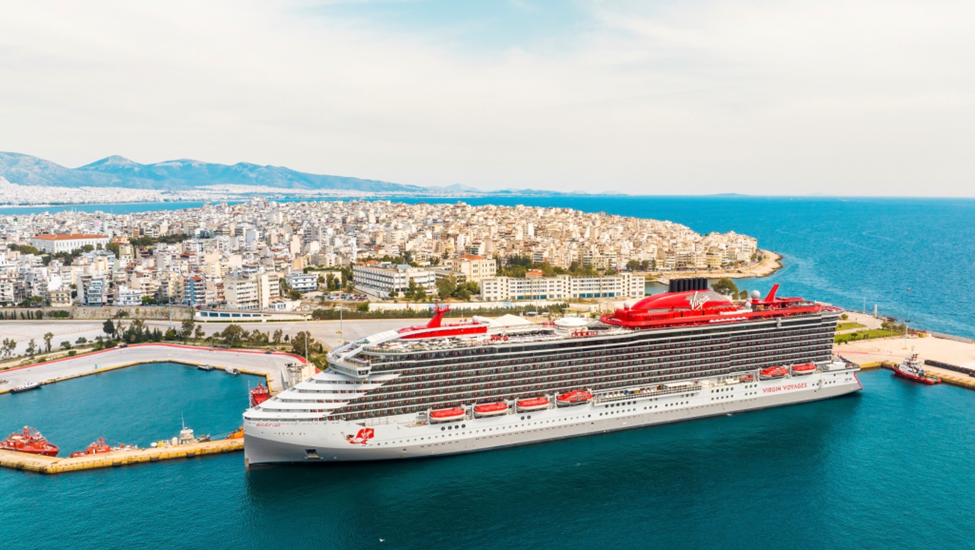
Not all cruise lines charge for Wi‑Fi. Virgin Voyages includes Wi‑Fi, basic soft drinks and specialty dining in every fare, which can save travellers a meaningful amount over the course of a week. If you’re comparing cruise lines, this is one of the biggest differences to factor into your budget.
Drinks Packages and the Sober Advantage

Drinks packages are often the most expensive onboard purchase, commonly priced between $60 and $100 per day. Over a seven-night cruise, that can exceed the base fare.
For sober travellers, this changes the arithmetic considerably. Without alcohol packages, bar tabs or late-night rounds, overall spending tends to be lower and far more predictable. Most cruise lines now offer good alcohol-free options — mocktails, zero-proof spirits and quality coffee — without requiring a full beverage package.
Financially and emotionally, that stability matters. There is something reassuring about knowing that the bill at the end of the week won’t contain surprises from decisions you regret.
One of the unexpected joys of sober cruising is waking up clear headed and actually enjoying the mornings: quiet decks, early coffee, and the ship arriving somewhere new.
If you want a more personal look at the experience, I’ve also written about what it’s really like sailing on a cruise as a sober person — the good, the surprising, and the moments that feel easier without alcohol.
Solo Supplements
Cruise pricing is based on double occupancy, which means solo travellers often pay a supplement. Some ships now offer solo cabins or reduced single fares, but they are not universal.
If you’re curious what a sober‑focused sailing actually looks like, I’ve broken down a full Sober Cruise itinerary — including daily activities, group meet‑ups, and what the atmosphere is like onboard.
Travelling with a sober group — including sailings connected with The Sober Cruise — can make solo travel feel less isolating. It doesn’t eliminate the supplement, but it can remove the social isolation of dining alone and navigating new ports without a companion.
A Realistic Cruise Budget Example
To show how the costs typically add up in real life, here’s a realistic mid‑range scenario:
| Cost Item | Typical Cost | Comment |
| Cruise fare | $899 | Advertised headline price for an inside cabin |
| Flights | $650 | Often equal to or higher than the cruise fare |
| Pre-cruise hotel | $200 | Strongly recommended to avoid missing embarkation |
| Gratuities | $140 | Daily service charges added by most cruise lines |
| Wi-Fi | $140 | Optional, but many travellers end up buying it |
| One excursion | $120 | Ship tours are convenient but rarely cheap |
| Transfers & incidentals | $150 | Taxis, coffees, small onboard purchases |
| Estimated Total | $2,299 | Roughly double the advertised fare |
The total comes to roughly $2,300. That is not extravagant spending; it is fairly ordinary. In most cases, the final number lands at roughly double the headline fare — sometimes more if flights are long-haul.
For those who are not buying alcohol packages or running bar tabs, the total usually sits at the lower end of that range.
How to Keep Cruise Costs Under Control

Keeping the budget sensible is largely about planning rather than restriction. Booking early often secures better fares. Flying in the day before departure reduces risk. Choosing a cabin that matches how you actually travel, rather than how the brochure suggests you should, prevents overspending.
Checking your onboard account every couple of days avoids small charges accumulating unnoticed. I always tell people to check their onboard account on day three. It’s amazing how quickly a few coffees, a specialty dinner and Wi-Fi can add up and how reassuring it feels to see the total still under control.
Picking one excursion you genuinely care about and keeping the rest simple helps balance experience with cost.
It’s also worth checking whether a cruise line offers a status match. Your airline or hotel loyalty status can sometimes translate into small onboard perks like drinks credit, Wi-Fi or priority boarding.
It is less about depriving yourself and more about deciding in advance what is worth paying for.
Final Thoughts
Cruising isn’t the bargain the brochure suggests, and it isn’t the financial trap some critics claim either. It’s a packaged holiday with a lot of optional extras. If you go in understanding that, you’re far less likely to come home surprised by the bill.
For those of us in long-term recovery, that kind of predictability matters. A holiday should leave you rested, not quietly unsettled about what it really cost.
These days, I’d rather come home with memories than paperwork. When the bill reflects choices I actually meant to make, that feels like value.
If you’re planning your first sober cruise, there are growing communities of travellers exploring alcohol-free holidays together.
You can find more information about sober group sailings at The Sober Cruise.

SOBER TRAVEL – WHAT A TRIP! is The Sober Curator’s guide to exploring the world alcohol-free. From insider travel tips and honest destination reviews to our curated Sober Retreats Calendar, we help you plan trips that are fun, fulfilling, and booze-free. Whether your jet-setting overseas or planning a weekend getaway, our stories and resources prove that sober travel is anything but boring. Looking for a sober getaway? We’ve got your back with our Sober Retreat Calendar. Need a night out on the town? Check out our Sober Events Calendar.
We also recommend soberscribing to The Sober Sip for weekly and monthly travel + events updates. Have a life-changing sober trip to share? Send your tips and photos to thesobercurator@gmail.com—we’d love to feature your journey.
You’ve got mail from The Sober Curator
Resources Are Available
If you or someone you know is experiencing difficulties surrounding alcoholism, addiction, or mental illness, please reach out and ask for help. People everywhere can and want to help; you just have to know where to look. And continue to look until you find what works for you. Click here for a list of regional and national resources.

Follow The Sober Curator on Facebook
What hidden fees should I expect on a cruise?
Common additional costs include daily gratuities, shore excursions, Wi-Fi, specialty dining, spa treatments and pre-cruise hotels. They are not hidden, but they are rarely included in the headline price.
Are cruises worth the money?
They can be. When accommodation, meals, entertainment and transport between destinations are considered together, cruising can represent good value. The key is understanding the full cost before booking.
What does a cruise actually cost per person?
For a typical mid-range cruise, most travellers end up spending between $2,000 and $3,000 per person once flights, gratuities, excursions and onboard extras are included.
The advertised fare may start at $800–$1,200, but once real-world travel costs are added, the total usually lands at roughly double the brochure price.
Is cruising suitable for sober travellers?
Yes. Cruises offer structure, a wide range of activities and space to step away when needed. With alcohol removed from the budget, overall spending is often more predictable.
What is the simplest way to reduce cruise costs?
Book early, avoid unnecessary upgrades, limit drinks packages and keep an eye on your onboard account throughout the week.