

There’s a particular moment many people in recovery describe: standing in front of a mirror and actually looking back. Not rushing past the reflection, not avoiding it, but genuinely pausing to notice themselves again. That shift, from numbing to noticing, is where the idea of sobriety jewelry begins to make real sense.
Jewelry in sobriety often carries weight that has nothing to do with price or trend. A ring worn on a specific finger, a bracelet chosen on an anniversary date, a necklace that catches light at a difficult moment — these become tactile cues rather than accessories. They sit against skin as quiet reminders of a decision made, a commitment held, a version of the self that someone chose to protect.
This is where celebrating sobriety one outfit at a time becomes more than a phrase. Style choices, including the jewelry someone reaches for each morning, can become part of a genuine lifestyle change without being grand or symbolic in an obvious way.
The sober glow-up isn’t about performing wellness or signaling virtue. It’s about self-care that shows up in the details, in the intentional, quiet acts of getting dressed and choosing what to carry on your body through the day, because those choices, small as they seem, reflect who someone is becoming.
What Your Jewelry Can Signal in Sobriety
Jewelry in sobriety often serves as a visible, tactile marker of intention, identity, and self-care rather than mere decoration. When someone moves from numbing to noticing, the objects they choose to wear can quietly reflect that shift, not as a performance, but as a daily cue tied to recovery and self-respect.
Style choices, including the jewelry someone reaches for each morning, can become part of a genuine lifestyle change without being grand or symbolic in an obvious way. Adornment, in this context, becomes one thread in a broader pattern of personal transformation, something worn close to the skin as a reminder of the life being built.
Why Small Rituals Matter More When You Stop Drinking
When alcohol steps out of daily life, it leaves behind more than just an absence. It leaves behind the rituals that surrounded it: the uncorking at 6 pm, the first pour after work, the social shorthand of having a drink in hand. Recovery asks people to fill that space with something else, and that’s where routine and embodied awareness become genuinely important.
The psychology here isn’t complicated, but it is significant. Repetitive, sensory actions help anchor people in the present moment. Something touched, worn, or noticed daily can become a quiet signal to the nervous system: I am here, I am choosing this. That’s not magical thinking; it’s how habits form and how identity gradually reshapes itself through small, repeated acts.
The sober curious movement, popularised by Ruby Warrington in her book “Sober Curious”, brought this kind of intentional living into broader conversation. Warrington’s framework around mindful drinking encouraged people to examine not just how much they drank, but what they were reaching for emotionally when they did. That same reflective lens, applied to everyday choices, is exactly what makes things like jewelry surprisingly relevant to mental health and wellness in recovery.
Jewelry as a Cue, Comfort, and Boundary
Wearing jewelry in sobriety can function on three quiet levels simultaneously. As a cue, it prompts awareness: a ring twisted on a finger during a craving, a bracelet noticed before entering a difficult social situation. As comfort, it provides sensory grounding when emotions run high. As a boundary, it becomes part of a personal language around sober curiosity and self-respect, signaling to the wearer, if no one else, that their choices matter.
Choosing Pieces That Feel Good on Your Body
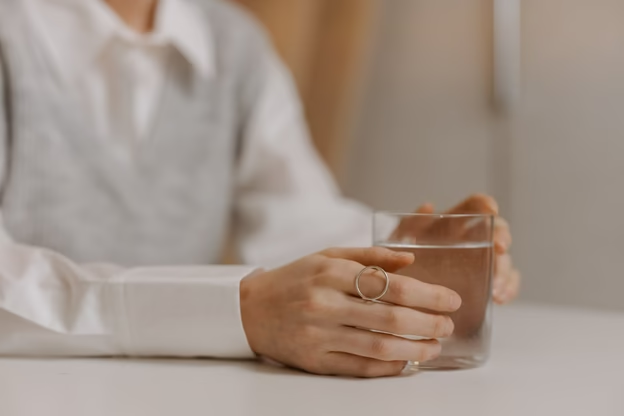
Recovery has a way of making people more sensitive, not just emotionally, but physically. Many people find that their skin, their senses, and their awareness of discomfort all sharpen once alcohol is no longer dulling the edges. That heightened attunement to the body deserves to be taken seriously when choosing what goes on it.
This is where material choice stops being a technical footnote and starts becoming part of self-care in a more genuine sense. Metals that cause irritation, pieces that feel heavy or awkward, jewelry that sits wrong against skin: these aren’t minor inconveniences. For someone rebuilding trust with their body during recovery, discomfort in small things can quietly erode the sense of ease that wellness requires.
Body-safe materials like titanium and niobium are hypoallergenic and lightweight, which makes them genuinely kinder to wear daily. For anyone navigating sensitive skin and weighing fashion and accessories options, comparing titanium and surgical steel earrings reveals meaningful differences in how each material interacts with the ear and skin over time, a consideration that matters more when the body is paying close attention.
Durability matters here too. Pieces chosen for a sobriety practice are often worn consistently, not rotated casually. That daily contact means the material needs to hold up without causing reactions or degrading in ways that compromise both comfort and mental health over the longer term.
Why Milestone Jewelry Can Carry Real Weight
There’s a reason so many people in recovery mark their first year, their first month, or even their first week with something physical. A date on a calendar fades. A piece of jewelry worn against the skin doesn’t.
Sober anniversaries hold a particular kind of significance that doesn’t always translate easily into words. The emotional complexity of what it took to get there, what was surrendered, what was rebuilt, rarely fits neatly into a conversation. A piece of jewelry can hold that meaning quietly, without requiring explanation.
From Sober Anniversary to Private Reminder
Not all milestone jewelry is chosen for others to notice. Some of it is purchased as a gift, offered by someone who watched a loved one move through recovery and wanted to mark the moment with something lasting. However, a great deal of it is chosen privately, by the person themselves, as a form of acknowledgment that no one else may ever fully understand.
That self-purchase is its own act of personal transformation. It says, without ceremony, that this milestone is worth honoring, that sobriety itself deserves to be marked as the genuine achievement it is.
What makes this category of recovery-inspired jewelry worth wearing isn’t material value or visible symbolism. It’s the private contract between the wearer and the piece, the quiet reminder it offers in ordinary moments, on difficult days, or in situations where staying grounded requires something real to hold onto.
Meaning, in this context, consistently outweighs cost or visibility.
How Mindful Style Choices Reflect a Sober Life
Jewelry is rarely the only thing that shifts during sobriety. It tends to arrive alongside other quieter changes: the switch to better sleep rhythms, the gradual disinterest in environments that once felt unavoidable, the slow re-examination of what actually belongs in a life.
That broader pattern is part of what the sober curiosity conversation has been pointing toward for years. Mindful drinking, at its core, asks people to look honestly at what they’re consuming and why. That same discernment doesn’t stop at the glass. It tends to move outward into clothing, food, relationships, and yes, the objects people choose to wear and carry.
Lifestyle change at this level isn’t about adopting a wellness aesthetic or curating the right image. It’s about making choices from a clearer internal position, one where self-trust has started to rebuild and personal values are easier to hear. Style becomes one quiet expression of that clarity, not a performance of it, but a natural extension of someone learning to trust their own judgment again.
Final Thoughts
Jewelry won’t anchor a sobriety practice on its own, and no piece carries that kind of obligation. What it can do is reflect something already present: a decision made, a self being slowly recovered, a life chosen with more intention than before.
For some people, that reflection matters deeply. A ring worn daily, a bracelet tied to a date, a small piece selected as private acknowledgment: these become part of self-care in the truest sense. Not performance, not symbolism for others, but personal transformation made quietly visible, carried close to the skin, on an ordinary day.
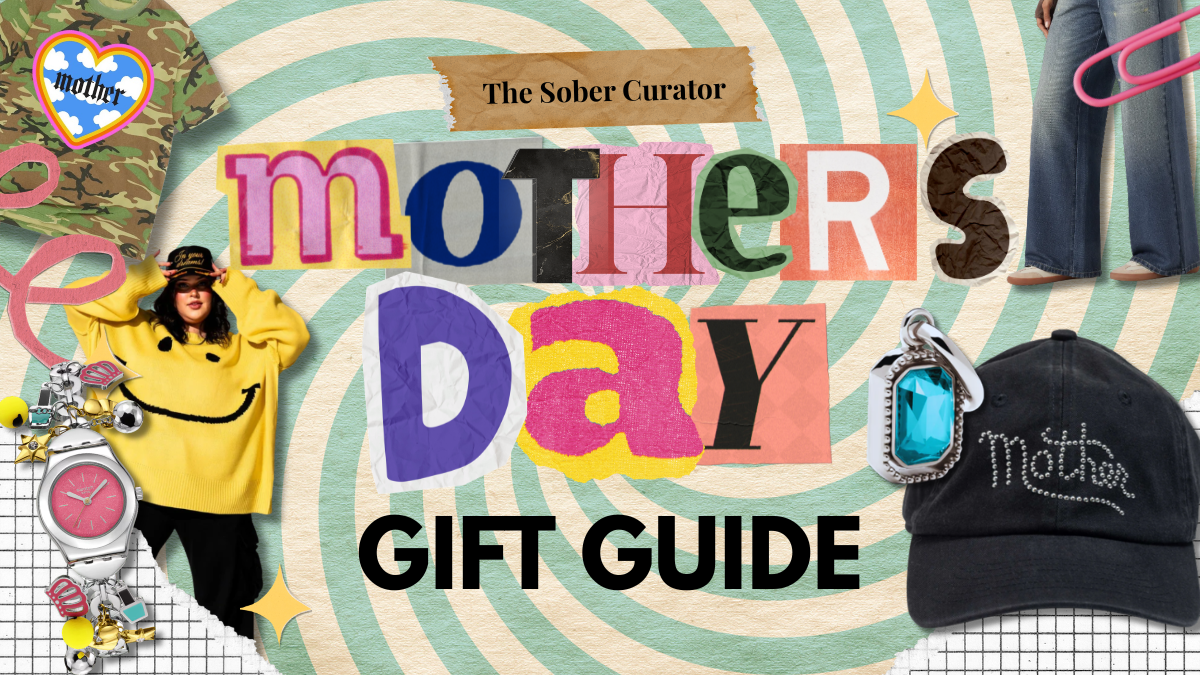
#ADDTOCART: The Sober Curator’s Mother’s Day Gift Guide for the Badass Mom You Love

God, grant us the serenity to #ADDTOCART! Sober retail therapy is our favorite kind of workout—mindful, fun, and community-focused. In this section, you’ll discover unique sobriety gifts, premium recovery swag, and must-have merch we can’t stop raving about. We love featuring small businesses founded by people in recovery, sober creators, and brands that champion mental health and the sober lifestyle. From #QUITLIT reads to stylish glassware and meaningful recovery keepsakes, our curated picks make every purchase a celebration of sober living.
Shop our classic Sober Curator merch on SHOPTHESOBERCURATOR.COM for and explore our TSC Amazon Storefront featuring curated lists packed with gifts, books, and sober essentials.
🛍️ Submit a Product for Review NA beverages, sober-friendly tools, alcohol-free brands, and products built for the way our audience actually lives. Submit your product →
Resources Are Available
If you or someone you know is experiencing difficulties surrounding alcoholism, addiction, or mental illness, please reach out and ask for help. People everywhere can and want to help; you just have to know where to look. And continue to look until you find what works for you. Click here for a list of regional and national resources.
Follow The Sober Curator on TikTok
What is sobriety jewelry?
Sobriety jewelry is any piece of jewelry someone chooses to mark, honor, or support their alcohol-free life. It may represent a sober anniversary, a personal milestone, or simply serve as a quiet daily reminder of self-care and intention.
Why do people wear jewelry to celebrate sobriety?
Many people wear jewelry in sobriety because it gives them something physical to connect with a meaningful change. A ring, bracelet, necklace, or pair of earrings can become a private reminder of progress, strength, and the life they are choosing to build.
Can jewelry be part of a sober self-care routine?
Yes. While jewelry is not a recovery tool on its own, choosing pieces with intention can become part of a daily self-care ritual. The article explains how small, repeated choices can help reinforce identity, comfort, and groundedness in sobriety.
What makes jewelry meaningful in recovery?
Jewelry becomes meaningful in recovery when it carries personal significance. It might be tied to a sobriety date, a hard-earned milestone, or a renewed sense of self-worth. The value is less about cost and more about the meaning the wearer gives it.
What jewelry materials are best for sensitive skin?
For sensitive skin, lightweight and hypoallergenic materials such as titanium and niobium may be more comfortable for daily wear. This can matter even more for people who are becoming more aware of their bodies and comfort in sobriety.
Is sobriety jewelry a good gift?
Sobriety jewelry can be a thoughtful gift when it is chosen with care and respect. A simple, meaningful piece can honor someone’s milestone without making their recovery feel performative or public.